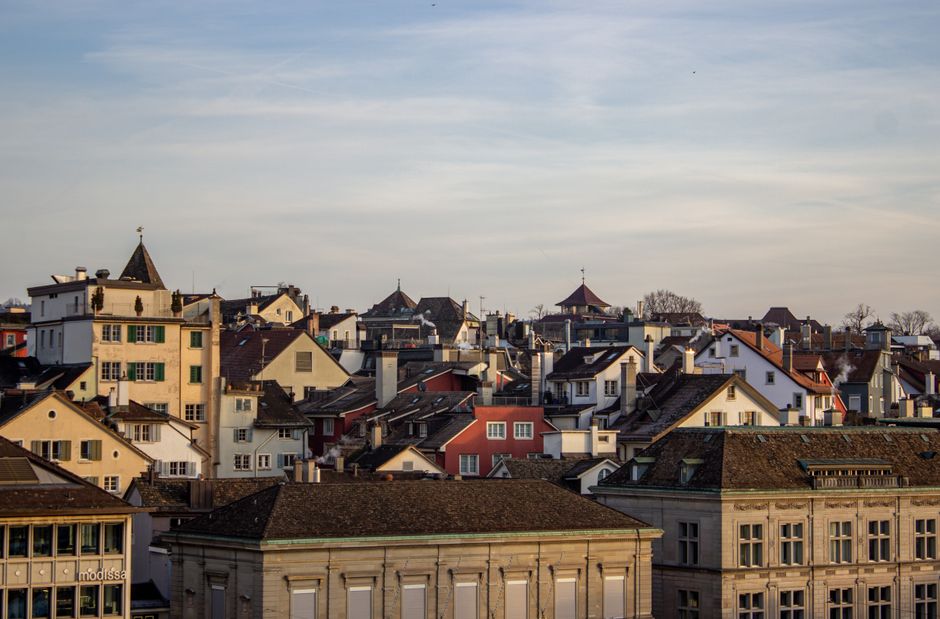
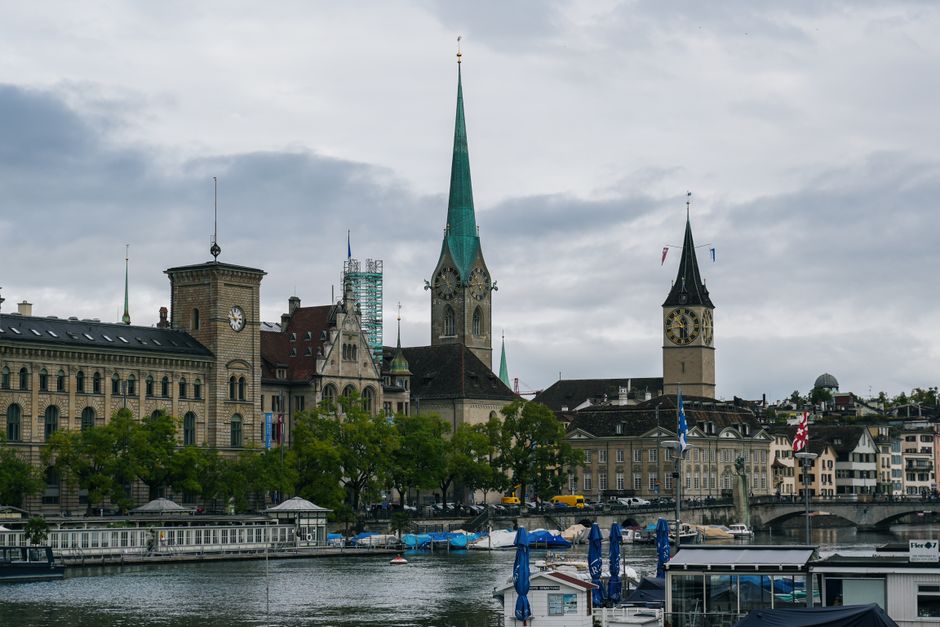
Zurich's housing crisis has reached a breaking point. Average rents in central districts now exceed 2,800 francs monthly for a one-bedroom apartment, while the city's population continues climbing toward 420,000. This week, the Stadtrat made decisions that will determine whether ordinary residents can afford to stay in their own neighbourhoods for the next decade.
The new zoning amendments, approved on Thursday, permit developers to convert underutilised commercial spaces into residential units across eight priority areas, including stretches of the Europaallee corridor and the Wiedikon industrial zone. On paper, this sounds promising: the city projects an additional 3,200 housing units by 2032, potentially easing supply constraints that have pushed many young families and service workers toward the outskirts.
But implementation remains uncertain. City planners worry that developer-led conversions in desirable areas like Aussersihl could trigger rapid gentrification, pricing out existing residents. A recent survey by the Housing Cooperative Association found that 62 per cent of Zurich residents fear neighbourhood character will disappear. The Genossenschaftsverband, which manages nearly 18,000 affordable units through cooperative housing, has already signalled concerns about whether profit-driven developers will prioritise affordability.
The decision creates a genuine tension. Zurich desperately needs housing supply. Yet without enforceable affordability requirements, deregulation can become a development free-for-all. The city's experience with the Toni-Areal transformation in Altstetten—where luxury lofts now dominate what was once industrial space—looms large in community discussions.
Local organisations offer a middle path. The Mieterverband (Tenants' Union) and smaller housing cooperatives propose that the city attach mandatory affordability quotas to zoning permits: perhaps 40 per cent of new units priced at regulated rates for the first 15 years. Several European cities, from Vienna to Basel, have successfully embedded such conditions.
Practical details matter enormously. Will the city enforce neighbourhood consultation before approving large conversions? Can infrastructure—schools, transit, childcare—keep pace with population growth in areas like Wipkingen? Will existing residents' input shape development timelines?
These decisions will affect whether Zurich remains a city where teachers, nurses, and young professionals can afford to live. The housing vote this week was just the beginning. The real test arrives in the coming months, as the first conversion permits are filed and communities along the Europaallee and beyond discover what their neighbourhoods might become.
This article was compiled by AI from the sources linked above and screened before publishing. See our editorial standards.