Zurich's housing crunch deepens as city council fast-tracks density rules for central districts
This week's planning vote signals a major shift in how the city will tackle its chronic shortage of affordable apartments.
This week's planning vote signals a major shift in how the city will tackle its chronic shortage of affordable apartments.
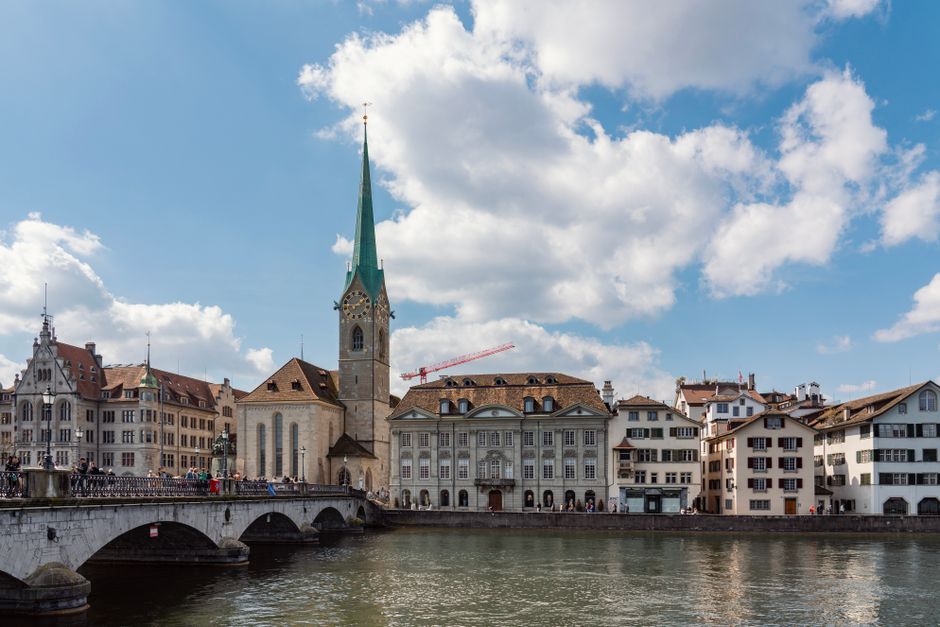
Zurich's city council voted decisively on Thursday to accelerate density regulations across central neighbourhoods, marking the most significant housing policy overhaul in a decade. The decision comes as median apartment rents in the Wiedikon and Aussersihl districts have surged past 3,200 francs monthly, pricing out middle-income residents and intensifying pressure on the municipal government to act.
The new regulations, which take effect in September, will allow property developers to increase residential density in Zones 4 and 5 along the Limmat corridor and in areas near Zurich Hauptbahnhof. Crucially, the changes eliminate mandatory setback requirements on older residential blocks, freeing up space that architects have long deemed wasted. The planning department estimates this could unlock construction of up to 2,800 additional units over the next five years.
"We are not abandoning Zurich's character," said the head of the city's Urban Development Office during Thursday's session. "We are adapting it to reality." The vote followed months of contentious public consultation, with residents' associations in affluent Enge and Seefeld neighbourhoods raising concerns about shadows and loss of green space, while housing advocates argued the changes do not go far enough.
The council also approved a companion measure requiring developers who build above density thresholds to contribute to an affordable housing fund. Buildings exceeding the new limits must allocate 15 percent of units as subsidised rental stock or pay 850 francs per square metre into a municipal pool. Early estimates suggest this could generate 45 to 60 million francs annually for below-market apartments.
However, critics note the timeline remains glacial. Even optimistic projections show new units completing no earlier than 2029, leaving current residents trapped in an overheated market. The average Zurich apartment price has climbed 7.2 percent since last year, according to data from the cantonal statistical office, while wages have stagnated.
The Zurich Socialist Party called the density measures "too timid," while the Green Party welcomed them as necessary but warned that zoning alone cannot solve systemic inequalities in property ownership. Next week, environmental groups are expected to file appeals challenging whether the changes adequately protect remaining green corridors along the Sihl river valley.
City officials have already begun reviewing secondary sites, including underutilised parking areas near Wiedikon station and a controversial plot in Hongg, for future phases of development. A final decision on expansion sites is scheduled for October.
This article was compiled by AI from the sources linked above and screened before publishing. See our editorial standards.
How does this story make you feel?
Spread the word
About this article
Published by The Daily Zurich
Daily brief
Free, in your inbox before 7am. Weekdays.
More in News