How Zurich's neighbourhood networks outpace global peers in crisis resilience
As global cities struggle with fragmented community bonds, Zurich's hyperlocal approach to social cohesion offers a template for urban stability.
As global cities struggle with fragmented community bonds, Zurich's hyperlocal approach to social cohesion offers a template for urban stability.
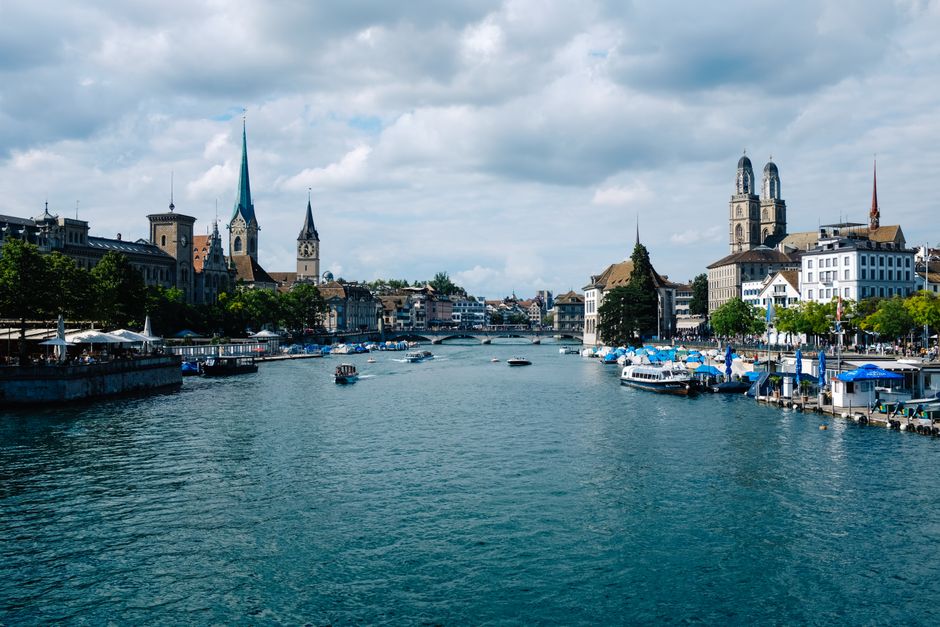
When flooding threatened parts of the Wiedikon district last month, residents didn't wait for municipal directives. Within hours, WhatsApp groups activated across Geroldstrasse and surrounding streets, neighbours mobilised sandbags, and local restaurants offered meals to those displaced. It was textbook Zurich—but increasingly rare globally.
As international crises proliferate, from Venezuela's humanitarian emergency to Afghanistan's regional instability, urban planners worldwide are grappling with a uncomfortable reality: traditional community infrastructure is crumbling. Yet Zurich's neighbourhood councils—the Quartiervereine—continue demonstrating a resilience model that cities from Munich to Montreal are scrambling to replicate.
The numbers tell the story. Zurich maintains over 150 active neighbourhood associations, with participation rates hovering around 8-12% of residents per district—roughly double the engagement seen in comparable German or Canadian cities. In districts like Altstetten and Aussersihl, where demographic shifts are most pronounced, organisations like the Quartiertreff Altstetten have evolved into genuine social anchors, hosting everything from language classes to emergency coordination networks.
"What distinguishes Zurich is institutional memory," explains the approach taken by long-established bodies like the Gemeinschaft Zürich West, which coordinates across the rapidly gentrifying western quarters. Unlike Silicon Valley's transient neighbourhoods or London's atomised housing markets, Zurich's relatively stable property ownership and strong tenant protections have created conditions where people invest in their immediate surroundings.
The contrast with global peers is striking. Berlin's Kreuzberg district, demographically similar to Wiedikon, experienced significant social fragmentation during the 2015 refugee influx. Paris's banlieues have struggled with coordination between fractured community groups. Even Toronto, praised for multiculturalism, admits to "neighbourhood silos" that impede collective response to crises.
Zurich isn't without challenges. Integration remains uneven in districts like Schwamendingen, where recent migrants comprise 45% of residents. Yet even here, organisations have adapted—the Quartiertreff Schwamendingen now operates in five languages and has become a model for inclusive neighbourhood governance.
The lessons matter beyond Switzerland. As global instability increases migration pressures and natural disasters become more frequent, cities need social cohesion that top-down governance cannot manufacture. Zurich's success stems partly from Switzerland's federal structure and wealth, admittedly. But its emphasis on accessible neighbourhood institutions, democratic participation at street level, and long-term resident commitment offers a replicable framework that more fragmented cities desperately need.
In an increasingly fractured world, Zurich's hyperlocal approach suggests that community resilience isn't a luxury—it's essential infrastructure.
This article was compiled by AI from the sources linked above and screened before publishing. See our editorial standards.
How does this story make you feel?
Spread the word
About this article
Published by The Daily Zurich
Daily brief
Free, in your inbox before 7am. Weekdays.
More in News