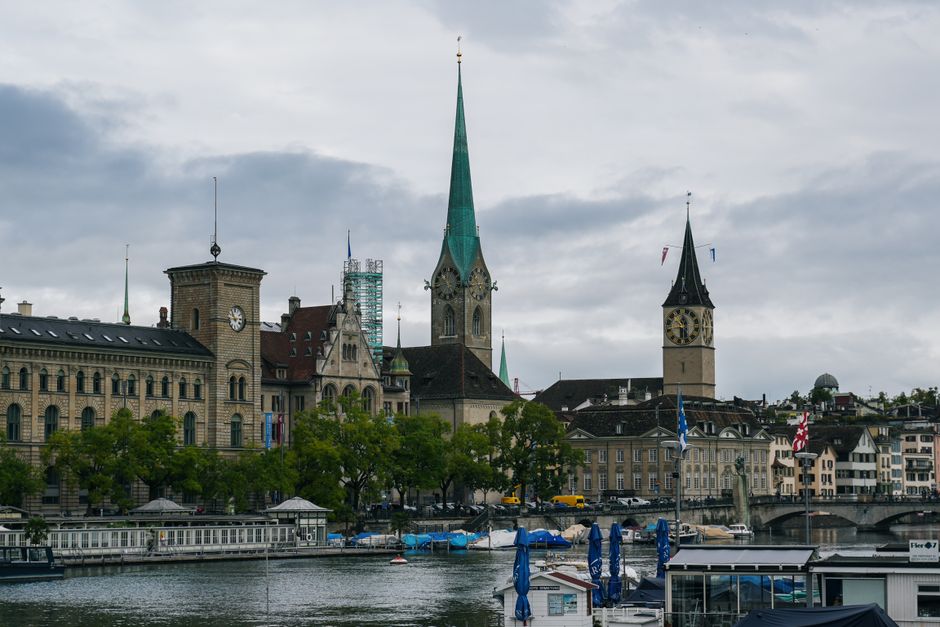
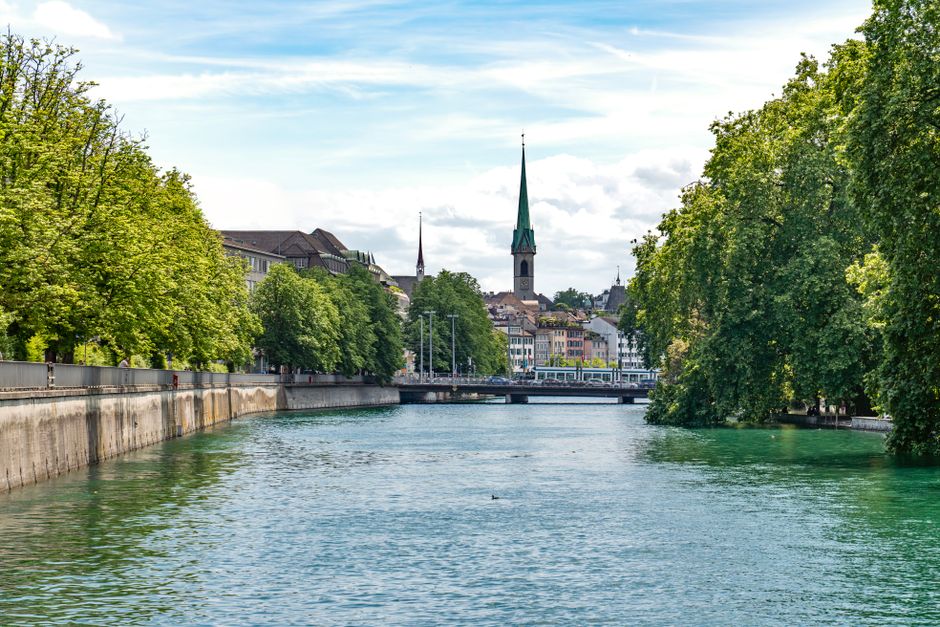
Walk through the Wiedikon district on a Friday evening and you'll encounter a microcosm of modern urban Switzerland: families queuing at the Migros on Quellenstrasse speaking a dozen languages, the mosque on Badenerstrasse drawing worshippers, and newly arrived asylum seekers attending German classes at the Quartierschule.
Zurich's approach to managing migration and multicultural integration has drawn international scrutiny this year as cities from Berlin to Toronto face unprecedented population pressures. Unlike some peers, Zurich has maintained relatively low unemployment among immigrant populations—currently sitting at around 6.2% for foreign-born residents, compared to 8.4% in Frankfurt and 9.1% in Paris, according to recent OECD data.
The difference, experts suggest, lies in a combination of factors: Switzerland's apprenticeship system, mandatory language training funded by cantonal budgets, and corporate partnerships that fast-track skilled workers into employment. The Stadt Zurich's Integration Programme allocates approximately 35 million francs annually across language courses, job placement services, and community liaison positions in neighbourhoods like Aussersihl and Altstetten, where migrant populations exceed 50%.
"Zurich's advantage is structural," says a spokesperson for the Integration Department. "We have the fiscal capacity and political consensus that many cities lack. But this model assumes stable funding and relatively controlled migration flows."
Recent strains tell a different story. Germany's handling of record arrivals—with cities like Munich overwhelmed by housing shortages and incomplete integration infrastructure—has prompted German policymakers to study Zurich's residential assignment protocols. Yet direct transplantation has proven difficult; Zurich's federalist system grants cantons significant autonomy, making its approach difficult to replicate in centralized states.
Meanwhile, Zurich itself faces emerging pressures. Housing costs in traditionally immigrant-friendly neighbourhoods have surged; a one-bedroom apartment in Wiedikon now averages 2,100 francs monthly, up 18% since 2023. Community workers report increasing tensions over school resources, with some Zurich schools now teaching in eight languages simultaneously.
International observers arriving this week for the UN's Global Forum on Migration and Development will tour integration sites including the Züri-Modell job training centre and the Kultur und Kongresshaus in Zurich-West. The consensus among visiting delegations is pragmatic: Zurich's approach works, but its success hinges on economic prosperity and political will that not every city possesses.
As migration continues reshaping global cities, Zurich's model stands as neither panacea nor cautionary tale—but rather a reminder that integration requires sustained institutional commitment alongside economic opportunity.
This article was compiled by AI from the sources linked above and screened before publishing. See our editorial standards.