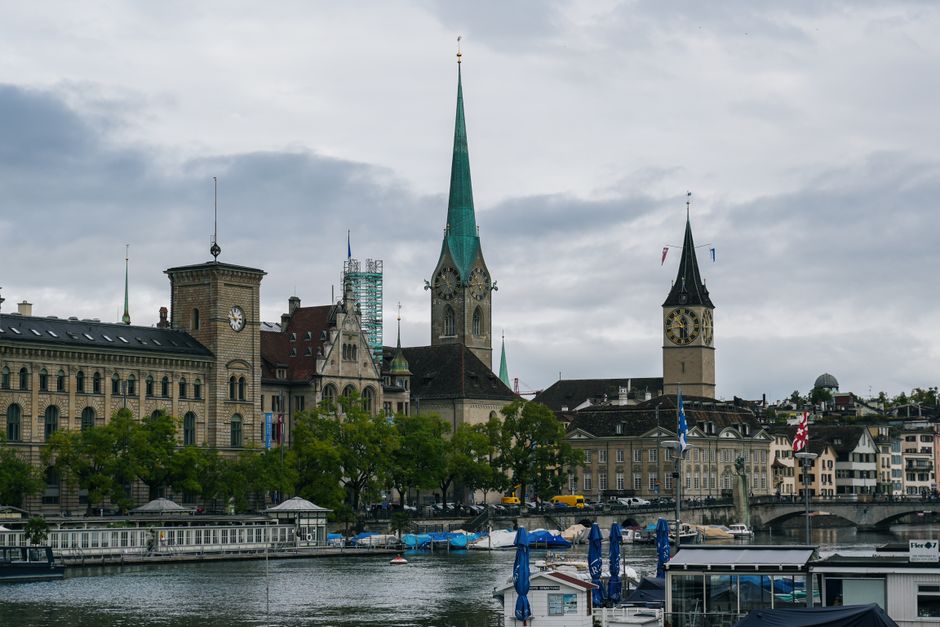
Zurich's housing crisis has reached a tipping point, prompting heated debates among officials and experts about how the city should respond to skyrocketing rents and a shrinking stock of affordable units. The conversation intensified this month as the city council prepares revised zoning guidelines for districts like Wiedikon and Aussersihl, where vacancy rates have dipped below 0.5 percent.
"We cannot continue with incremental solutions," said a representative from the Zurich Chamber of Commerce during a recent urban planning forum at the Zurich University of Teacher Education. The statement reflects growing frustration among business leaders who argue that housing scarcity is driving talent away from the city. Median rents in central locations now exceed CHF 3,500 monthly for a two-bedroom apartment—a 12 percent increase over two years.
The city's planning department has signaled support for densification projects along the Limmat waterfront and in Altstetten, where several brownfield sites could accommodate mixed-use developments. However, this approach has drawn criticism from neighbourhood associations and heritage advocates who worry about character loss in historic quarters like Kreis 5.
Academic voices offer competing perspectives. Professor of Urban Development at ETH Zurich emphasized during a recent presentation that Switzerland's notoriously restrictive zoning regulations—which require municipal approval for most construction—are fundamentally constraining supply. "Other cities have shown that streamlining approval processes, while maintaining quality standards, can unlock housing development," the professor noted, pointing to examples from Geneva and Basel.
Meanwhile, housing rights advocates argue the real issue is economic policy, not planning procedures. Representatives from the Mieterverband (Tenants' Union) have called for stronger rent controls and increased investment in subsidized housing stock. They point out that cooperative housing models, which house roughly 11 percent of Zurich's population, offer more stable alternatives—yet cooperative apartments remain difficult to access for those without waiting-list connections.
City officials have acknowledged the tension between market-driven development and social housing mandates. Recent proposals suggest requiring 25 percent affordable units in new residential projects city-wide, up from 20 percent in some districts. Private developers warn this could reduce investment incentives, while social housing organizations say the percentage remains insufficient.
The debate reflects Zurich's broader challenge: balancing its identity as a global financial hub with livability for ordinary residents. As the city council votes on zoning changes in July, all stakeholders agree on one point—inaction is no longer an option. The question remains who will bear the cost of solving it.
This article was compiled by AI from the sources linked above and screened before publishing. See our editorial standards.