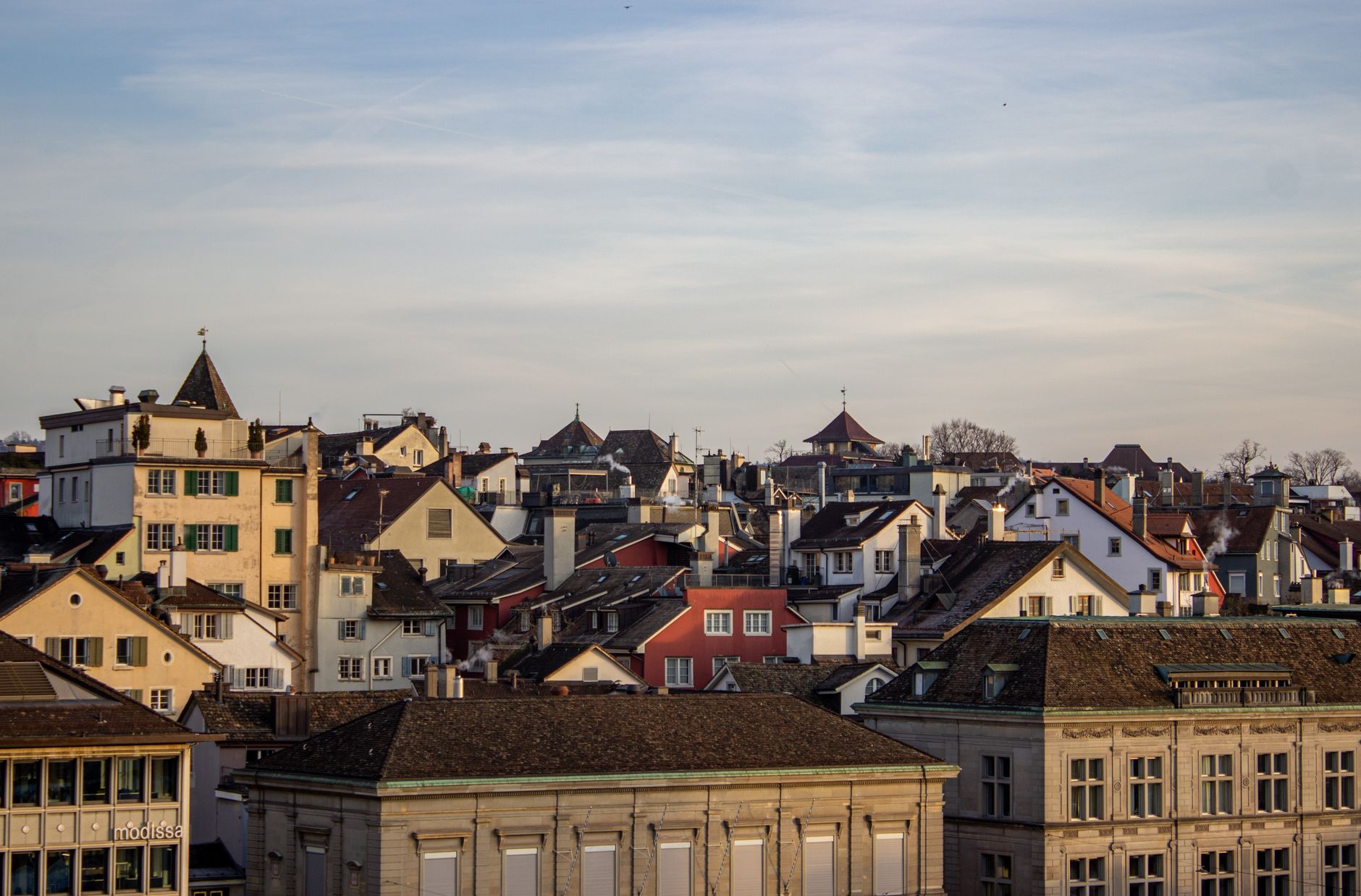
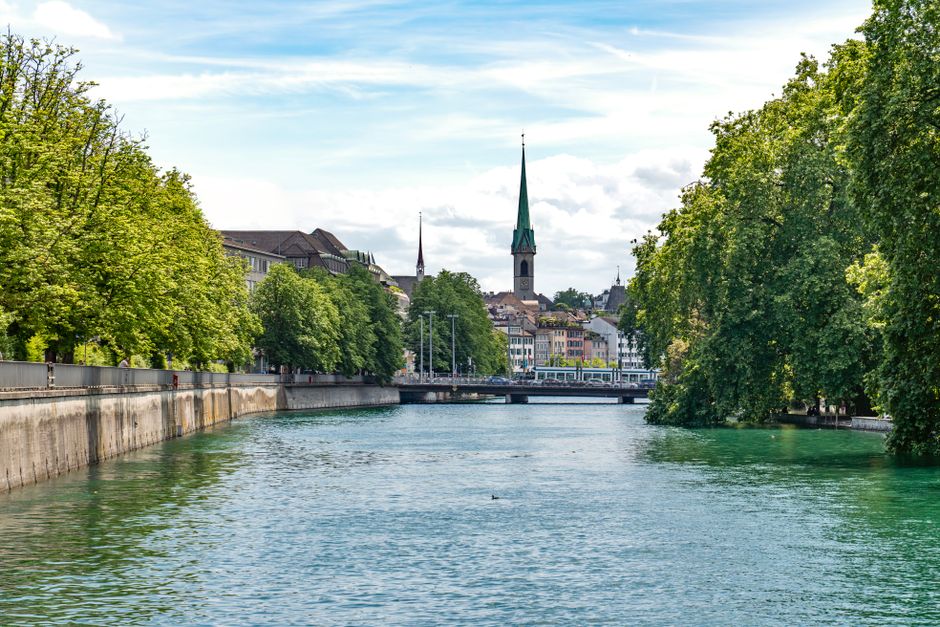
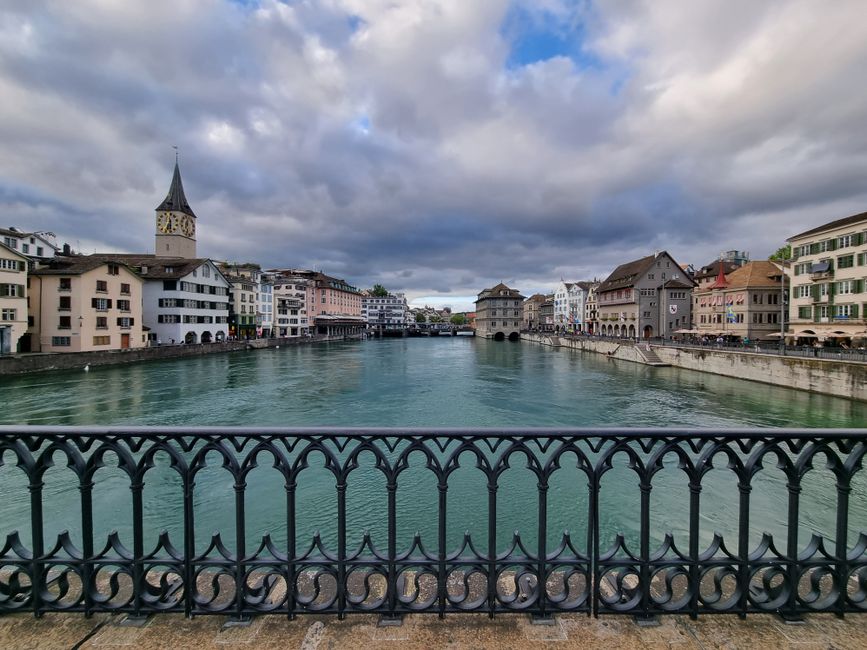
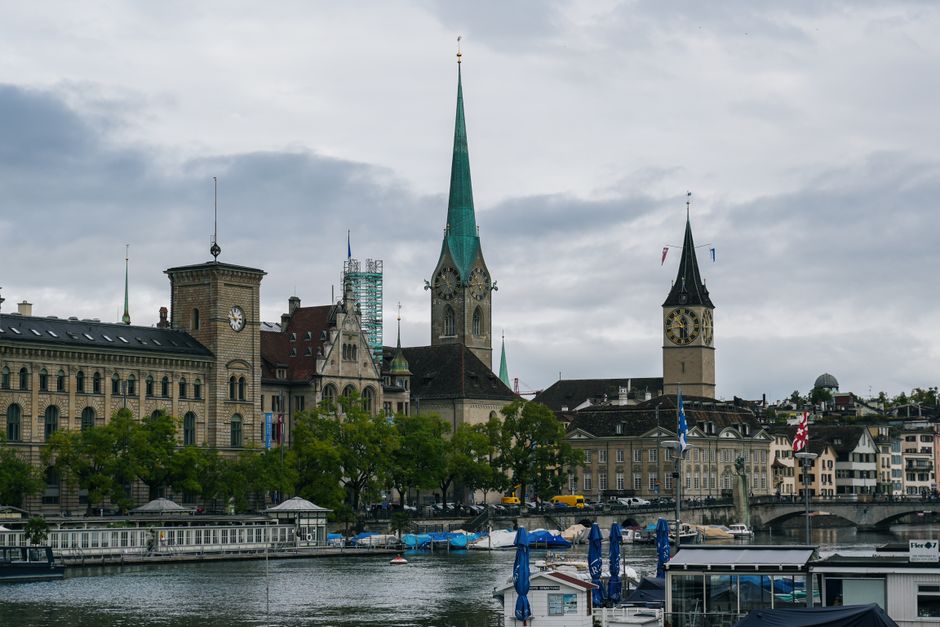
The fresco of modern Zurich tells a story of success that has become almost impossible to live in. Over the past ten years, the city has attracted multinational corporations, wealth management firms, and international talent at a pace that few Swiss cities can match. Yet this prosperity has produced an architectural paradox: gleaming office towers rising above residential neighbourhoods where a modest two-bedroom apartment on Wiedikon's Badenerstrasse now commands rents exceeding 3,200 francs monthly—nearly double what they were in 2015.
The roots of today's housing crisis run deeper than recent headlines about density and affordability suggest. When the 2008 financial crisis struck, Zurich's planning authorities made decisions that would ripple through decades. Concerned about oversupply, the city and canton adopted cautious building policies. Development permissions slowed. The "Masterplan Innenentwicklung" (interior development framework), which aimed to densify existing neighbourhoods rather than expand outward, faced resistance from residents protective of green spaces and low-rise character in areas like Enge and Wiedikon.
Simultaneously, foreign investment capital discovered Zurich as a safe haven. Between 2010 and 2020, according to the City Statistical Office, approximately 35 percent of property purchases involved non-Swiss buyers. Developers responded rationally: they built luxury apartments for global markets rather than modest housing for local workers. The Europaallee waterfront project, launched in 2011 and still unfolding near the Hardbrücke, exemplifies this tension—innovative mixed-use development alongside market-rate pricing that excludes ordinary teachers, nurses, and municipal employees.
Political fragmentation has compounded the problem. The cantonal government, the city council, and neighbourhood associations operate with conflicting interests. Proposals for upzoning in Altstetten or Schwamendingen consistently trigger community opposition campaigns. The 2019 initiative calling for 10,000 new affordable units passed narrowly but lacked implementation mechanisms. Bureaucratic timelines stretch construction projects across five to seven years, during which inflation erodes budget allocations.
By 2024, Zurich's vacancy rate had fallen below 0.5 percent—the lowest in two decades. Average apartment prices exceeded 1.1 million francs. City planners acknowledge they face a choice: fundamentally reimagine zoning policies and accelerate approvals, or accept that Zurich becomes primarily a city for the wealthy.
This summer's city council debate on the revised Zonenplan represents not merely a technical planning exercise but a referendum on what kind of Zurich will emerge. The decisions made now—or delayed—will define the city's character for the next generation.
This article was compiled by AI from the sources linked above and screened before publishing. See our editorial standards.