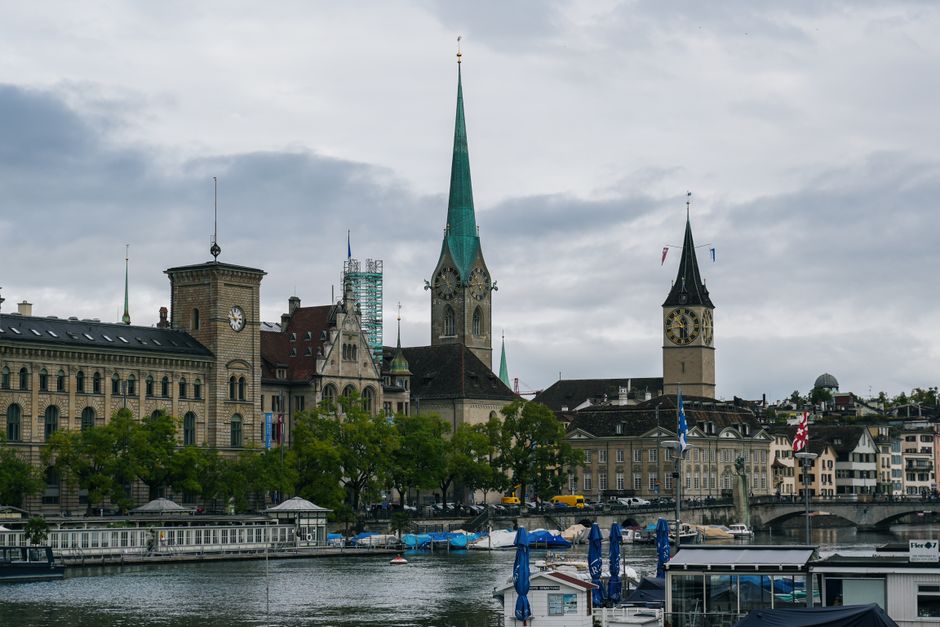
Zurich's public safety apparatus stands at a crossroads. As summer tourist season peaks and incidents of street crime climb in the Altstadt and around Hauptbahnhof, the city's police and emergency services leadership faces mounting pressure to commit to significant operational changes—decisions that will reshape how law enforcement and first responders operate across the canton through 2027.
The Zurich Police Department reported a 12 per cent increase in reported assaults in central districts during the first half of 2026, according to quarterly crime statistics released last week. Simultaneously, average emergency response times to Priority One calls have edged toward eight minutes in outlying areas like Wiedikon and Altstetten, compared to the departmental target of six minutes. These twin pressures have forced administrators to confront a fundamental question: expand uniformed presence, or redirect resources toward prevention and community engagement.
The stakes are concrete. A full deployment of additional night-shift officers across the Altstadt and the zone surrounding Hauptbahnhof would cost approximately 2.8 million francs annually. Community policing initiatives—including the proposed expansion of neighbourhood liaison officers in areas like Aussersihl and Schwamendingen—could cost 1.6 million but would take eighteen months to demonstrate measurable results.
"We're not simply choosing between enforcement and prevention," explains the Zurich Fire Department's operational planning division. The department itself faces its own reckoning: response capacity in the outer districts has tightened as call volume climbs, particularly for medical emergencies alongside traditional fire and rescue operations.
Key decisions loom before September. The city council's security commission must vote on whether to green-light a pilot expansion of the night patrol programme in high-incident zones—a move backed by business associations along the Bahnhofstrasse but questioned by some councillors concerned about visible militarisation of public spaces. Simultaneously, the cantonal government must approve funding mechanisms for the community prevention track, which would embed officers more deeply in residential neighbourhoods and shopping districts like Europaplatz.
Police leadership has signalled openness to hybrid approaches: targeted evening and night presence in crime hotspots combined with daytime community officers in residential areas. Yet such nuance requires political will and sustained budgetary commitment.
The decisions made in the coming weeks will define the texture of public safety in Zurich for years. Whether the city chooses visible deterrence or embedded prevention—or attempts both—will determine not only policing strategy but also public confidence and the lived experience of residents navigating the city's streets.
This article was compiled by AI from the sources linked above and screened before publishing. See our editorial standards.