By the Numbers: What Zurich's Migration Surge Really Looks Like
New data reveals how Switzerland's largest city is reshaping itself—and what the statistics say about integration, housing, and economic impact.
New data reveals how Switzerland's largest city is reshaping itself—and what the statistics say about integration, housing, and economic impact.
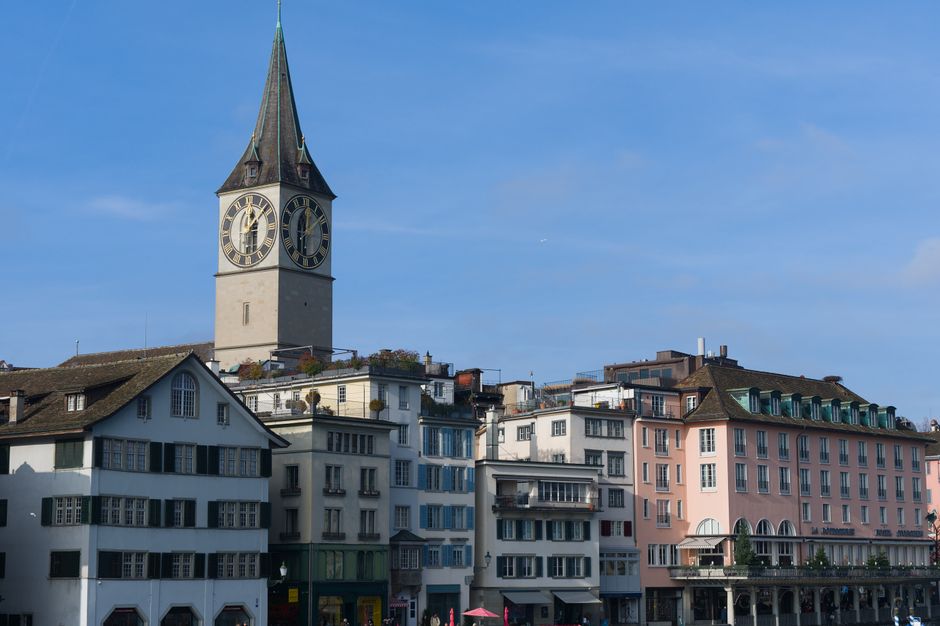
Zurich's population has crossed a symbolic threshold. The city now hosts 443,000 residents, with roughly one in three born outside Switzerland—a demographic shift that, while celebrated in some quarters, has sparked intense debate about resources, integration, and urban planning.
The numbers tell a compelling story. Between 2020 and 2026, Zurich's foreign-born population grew by 8.7 percent, significantly outpacing the Swiss-born growth rate of 1.2 percent. Migration accounts for nearly 70 percent of overall population increase, according to data from the City Statistical Office. The largest migrant communities hail from Italy (24,300 residents), Germany (19,800), and Portugal (13,500), with growing communities from India, Turkey, and the Philippines each exceeding 5,000 residents.
But demographics tell only half the story. Housing pressures have intensified alongside this influx. Average rents in central neighbourhoods like Wiedikon and Aussersihl—traditional entry points for migrants—have climbed to CHF 2,450 monthly for a two-bedroom apartment, up 14 percent since 2022. The vacancy rate citywide stands at just 0.8 percent, among Europe's lowest.
Employment data suggests successful economic integration, yet with nuances. Foreign-born residents comprise 34 percent of Zurich's workforce but hold only 18 percent of management positions. Unemployment rates for migrants average 5.2 percent compared to 2.8 percent for Swiss nationals—a persistent gap despite strong overall job creation in banking, tech, and hospitality sectors.
Integration initiatives have expanded measurably. The Integrationsförderung Zürich programme now serves over 12,000 participants annually through language courses and professional training, with a budget that doubled from CHF 8.2 million in 2020 to CHF 16.5 million today. Registration at Volkshochschule Zürich—the adult education centre offering German classes to newcomers—jumped from 4,200 students in 2019 to 8,900 by 2025.
Yet challenges persist in education. Children from non-German speaking households comprise 47 percent of primary school enrolments in districts like Altstetten, straining resources for language support. The city has invested CHF 23 million in additional teaching positions since 2023.
Healthcare integration remains robust, with 89 percent of migrants registered with primary care physicians. However, mental health services report a 34 percent increase in demand from migrants since 2021, reflecting both pandemic aftereffects and settlement-related stress.
As Zurich navigates this transformation, the data suggests neither doom nor uncomplicated success—but rather a city managing rapid change with measurable, if imperfect, adaptation.
This article was compiled by AI from the sources linked above and screened before publishing. See our editorial standards.
How does this story make you feel?
Spread the word
About this article
Published by The Daily Zurich
Daily brief
Free, in your inbox before 7am. Weekdays.
More in News