Zurich's New Housing Zoning Laws: Why Your Neighbourhood Is About to Change
City council's ambitious densification plans for districts like Wiedikon and Altstetten will reshape communities—and reshape rental costs—for thousands of residents.
City council's ambitious densification plans for districts like Wiedikon and Altstetten will reshape communities—and reshape rental costs—for thousands of residents.
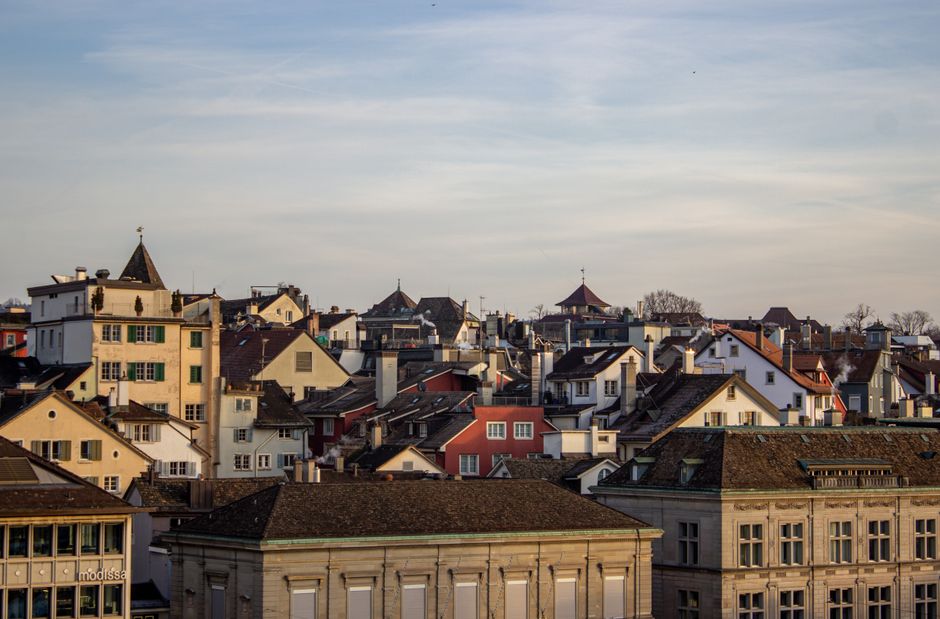
Zurich's city planning department has quietly advanced a proposal that will redefine how the city grows over the next two decades. The revised housing and zoning framework, expected to receive final council approval in September, prioritises vertical development in lower-density neighbourhoods—a shift that promises to ease Switzerland's chronic housing shortage while threatening the character of some of the city's most established residential areas.
For residents in Wiedikon, Altstetten, and Aussersihl, the implications are immediate and personal. The new guidelines effectively allow developers to build structures 20 to 30 per cent taller in mixed-use zones than current regulations permit. On Langstrasse, already a hotbed of redevelopment, this means another generation of five-to-seven-storey apartment blocks replacing century-old villas and low-rise complexes.
The housing emergency is undeniable. Zurich's median rent for a two-bedroom apartment reached 3,850 francs in 2025—a 12 per cent increase over three years. Vacancy rates hover near 0.5 per cent. Yet densification comes with trade-offs that risk widening inequality. While the city mandates that 30 per cent of new units be affordable housing, advocates warn this target is insufficient to prevent wholesale gentrification along transit corridors.
"The question isn't whether Zurich needs more housing," explains Nathalie Kübler, head of housing studies at the University of Zurich's Institute for Urban and Regional Development. "It's whether we densify equitably, or whether we simply shuffle residents around."
Community organisations like the Mieterverband and Quartierverein Wiedikon have mobilised residents to demand stronger protections. Their proposals include mandatory community consultation windows, heritage preservation clauses for neighbourhoods with historical significance, and requirements that developers contribute to local infrastructure—schools, parks, and transit improvements—as part of their projects.
Meanwhile, construction already underway tells the story. The Europaplatz development near Zurich Hauptbahnhof will add 650 residential units by 2028. The Werdhölzli neighbourhood transformation promises 1,200 new homes. Each project generates predictable tensions: excitement about walkability and urban vitality, anxiety about crowding, parking, and cultural erosion.
The council's decision in September will determine whether Zurich pursues controlled, community-responsive densification or defaults to market-driven development. For residents watching their neighbourhoods evolve—and their rents climb—the stakes could hardly be higher.
This article was compiled by AI from the sources linked above and screened before publishing. See our editorial standards.
How does this story make you feel?
Spread the word
About this article
Published by The Daily Zurich
Daily brief
Free, in your inbox before 7am. Weekdays.
More in News