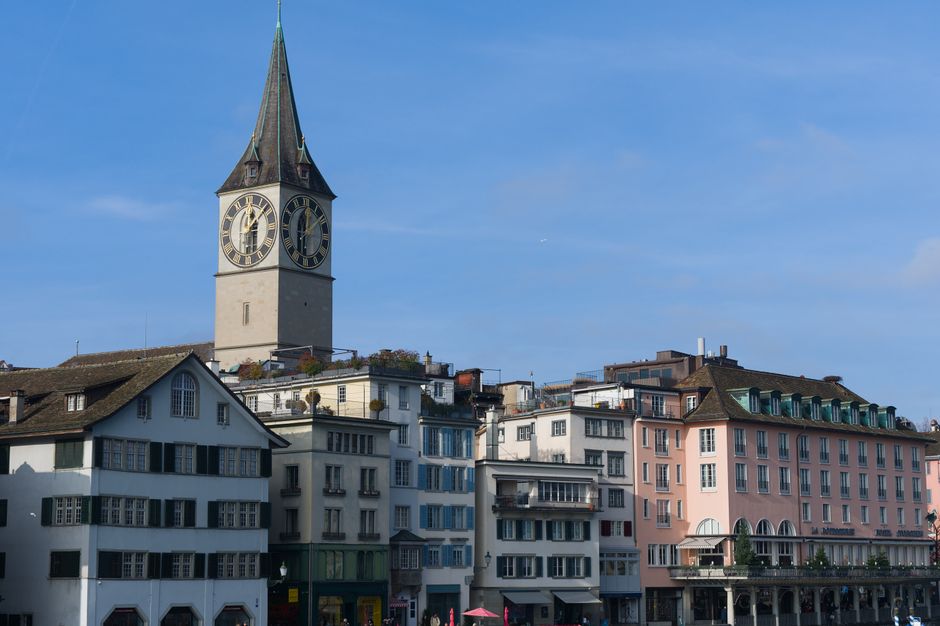
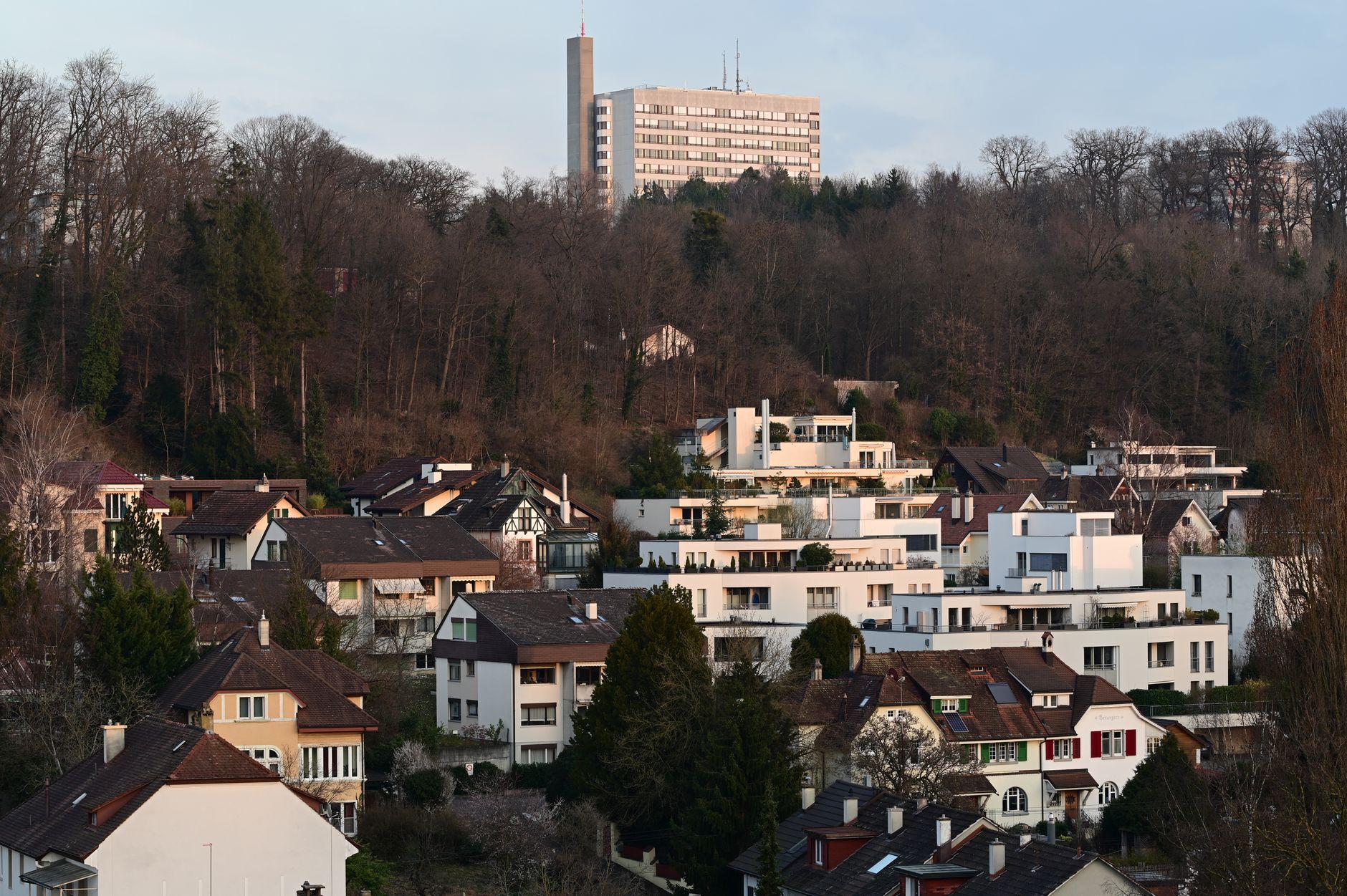
Zurich's property market faces a critical inflection point. With average prices holding steady around CHF 15,000 per square metre across the city, new large-scale developments breaking ground this year could fundamentally reshape neighbourhood character and—potentially—housing accessibility for middle-income households.
The most significant shift is happening in Wiedikon, where a 280-unit mixed-use project near Militärstrasse has entered its final planning phase. The scheme combines apartments ranging from affordable units (projected at CHF 8,500–10,000/sqm) alongside market-rate offerings, signalling a deliberate attempt to introduce economic diversity into a traditionally working-class district undergoing gentrification. Similar patterns are emerging along the Limmat's eastern embankments, where three separate developers have secured land rights between Stauffacher and Aussersihl.
For context, Seefeld and Enge neighbourhoods—synonymous with waterfront prestige—continue commanding premiums exceeding CHF 22,000 per square metre. Yet the new Limmat projects are pricing closer to citywide averages, suggesting developers recognise that ultra-luxury positioning saturates a finite buyer pool. Instead, they're targeting the crucial segment of households earning CHF 140,000–180,000 annually, who've been progressively squeezed from inner-city living over the past five years.
"The market has corrected expectations," explains the Zurich Chamber of Commerce, noting that permit applications for residential development increased 34% year-on-year, yet actual completion rates remain constrained by construction timelines and canton-level zoning restrictions. The Kreis 5 corridor—already established as Zurich's creative and young-professional heartland—continues attracting boutique projects targeting this demographic, with Wollishofen emerging as an alternative nexus.
However, affordability gains may prove temporary. Historically, new developments in Zurich attract speculators and foreign investors within 18–24 months of completion, inflating secondary market prices beyond original purchase points. The 2023–2024 period saw similar patterns in Altstetten and Hongg, where first-phase buyers benefited from developer pricing before market forces reasserted themselves.
City planners acknowledge the tension. While new supply theoretically moderates price growth, Zurich's geographic constraints and continued migration inflows mean each development cycle absorbs demand rather than resolving it fundamentally. The real test arrives in 2028, when current projects mature and their neighbourhood impacts become measurable.
For prospective homebuyers navigating this inflection, timing matters enormously—but so does location selectivity beyond the trendiest postcodes.
This article was compiled by AI and screened before publishing. See our editorial standards.