While Berlin chases startup unicorns and London polishes its fintech credentials, Zurich's technology sector has quietly cultivated something rarer: an innovation ecosystem built on deep industrial roots rather than speculative growth.
The distinction becomes apparent when mapping the city's tech geography. The Zurich Innovation District, anchored around the ETH Zurich campus in the Hönggerberg neighbourhood, operates as something of a closed loop—academic research feeding directly into commercialisation through spin-offs and established corporations. This proximity creates what economists call "knowledge spillover" at an unusually concentrated level. Within walking distance of ETH's labs, you'll find offices of Roche, Novartis, and ABB, companies that collectively employ over 40,000 people in the greater Zurich area and spend roughly 15% of revenue on research and development.
What distinguishes Zurich from other global tech hubs is the absence of the typical startup hierarchy. Rather than the boom-bust cycle seen in American tech valleys, Zurich's innovation follows what locals describe as the "hidden champion" model—mid-sized, privately held companies that dominate niche global markets. Organisations like this have made Switzerland home to the world's highest concentration of advanced manufacturing patents per capita.
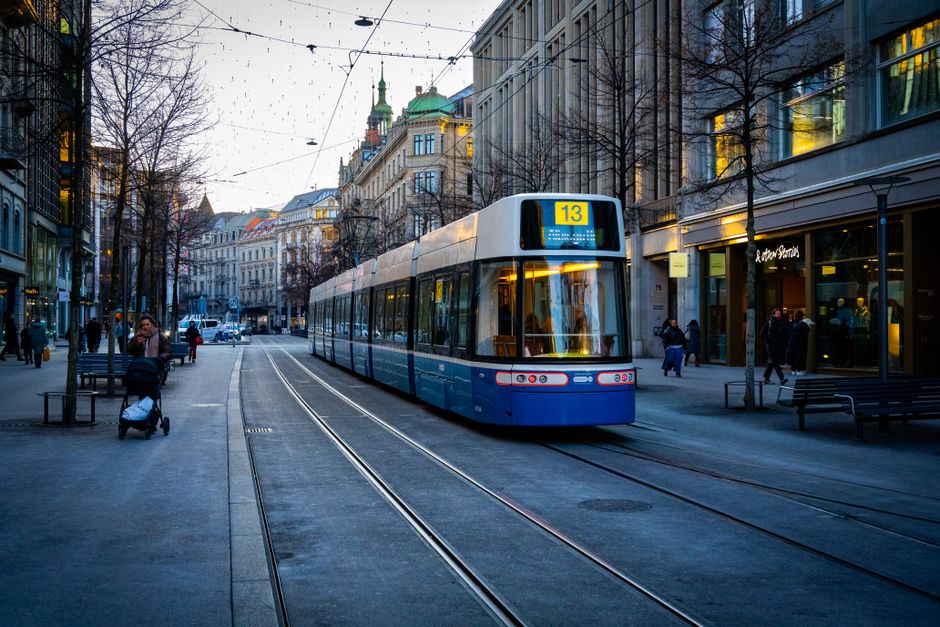
The fintech layer adds another texture. The Bahnhofstrasse corridor, traditionally Switzerland's banking heartland, has transformed into a testing ground for blockchain infrastructure and digital asset custody solutions. UBS and Credit Suisse's legacy operations share neighbourhood space with newer entrants experimenting in areas from algorithmic trading to decentralised finance. This integration of old financial power with new financial innovation is nearly unique globally.
Cost, however, presents the ecosystem's primary vulnerability. Zurich consistently ranks among the world's most expensive cities, with office rental in prime tech zones exceeding 1,200 francs per square metre annually. For bootstrapped founders, this creates friction absent in cheaper European alternatives. Yet paradoxically, the high barrier to entry appears to have filtered out the lowest-quality ventures, leaving behind a more durable cohort.
Language and culture compound the advantage. Zurich's multilingual workforce—German, English, French, Italian—and its position at the crossroads of European markets creates natural advantages for companies targeting global expansion. Unlike London's post-2016 uncertainty or Berlin's political volatility, Switzerland's political stability and regulatory clarity appeal to companies managing sensitive data or regulated products.
The result is an ecosystem that punches above its 400,000-person population weight, generating disproportionate value through depth rather than velocity. It's not flashy. It rarely produces the headlines that trail San Francisco or London. But increasingly, it's where serious technical innovation happens quietly.
This article was compiled by AI from the sources linked above and screened before publishing. See our editorial standards.