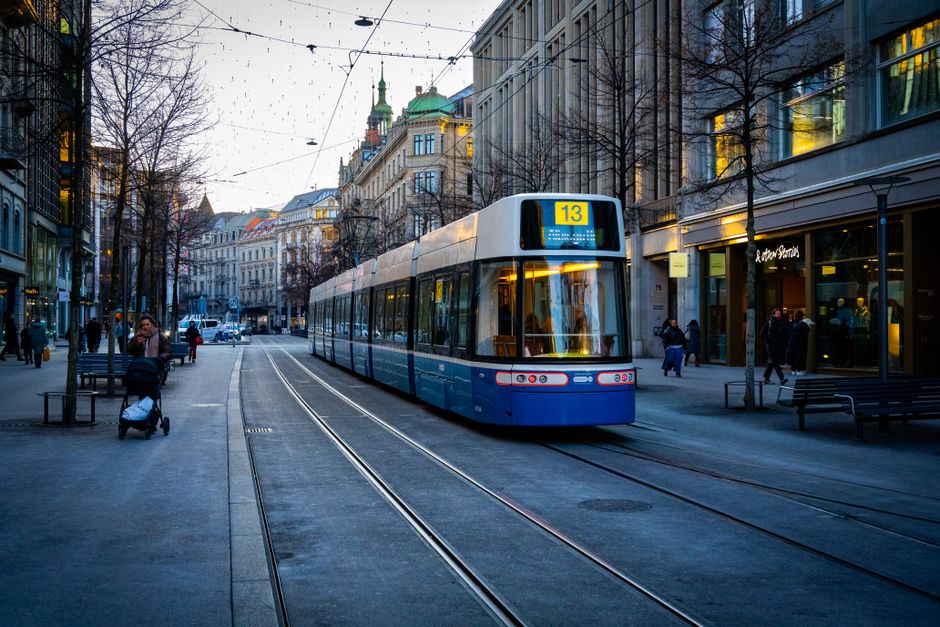
Zurich has long positioned itself as a laboratory for urban innovation. The city's ambitions are clear: by 2030, deploy integrated digital systems across traffic, waste management, and energy distribution. Real-time data flows through the Europaplatz district. Smart lighting adapts to pedestrian movement along Bahnhofstrasse. Yet beneath the promise of efficiency gains and cost savings—estimates suggest 15-20% reductions in municipal spending—lies a tangle of ethical concerns that even Switzerland's privacy-conscious population cannot ignore.
The numbers attract municipal planners. A city-wide sensor network could reduce water loss from aging pipes by an estimated 12%, worth CHF 8-10 million annually. Traffic optimization algorithms promise shorter commutes. Yet implementation in densely populated neighbourhoods like Wiedikon has sparked debate. Citizens worry about granular monitoring of movement patterns. How long are location records retained? Who owns the data streams? These questions have prompted the Zurich City Council to commission three separate privacy impact assessments since 2024.
The equity dimension cuts deeper still. Smart city infrastructure requires upfront capital investment that often concentrates benefits in wealthy districts first. Early rollouts have favoured central zones and affluent areas near Seefeld, while peripheral neighbourhoods await upgrades. Older residents, meanwhile, risk digital exclusion if municipal services migrate entirely online—a concern voiced repeatedly by community advocates in Altstetten and Oerlikon.
Tech firms courting Zurich's business present glossy visions: predictive maintenance, artificial intelligence optimizing everything from fire department response times to energy grids. Yet the reality is messier. Algorithmic bias in traffic prediction systems could reinforce existing commute inequalities. Cybersecurity vulnerabilities in interconnected infrastructure pose risks. A 2025 audit by the Swiss Federal Office of Cybersecurity flagged insufficient encryption standards in three major municipal IoT pilot projects.
Zurich's approach so far has been characteristically deliberate. The City's Digital Transformation Office, established in 2023, has embedded ethics reviews into procurement processes. A citizen advisory board meets quarterly. Yet critics argue this pace lags behind global competitors. Meanwhile, neighbouring cities and tech companies watch closely—success here could shape smart city adoption across Europe's wealthier regions.
The challenge ahead is neither rejecting digital transformation nor embracing it uncritically. Zurich must prove that efficiency and privacy, innovation and equity, can coexist. How the city navigates this tension over the next four years will test whether smart governance can remain genuinely democratic.
This article was compiled by AI from the sources linked above and screened before publishing. See our editorial standards.