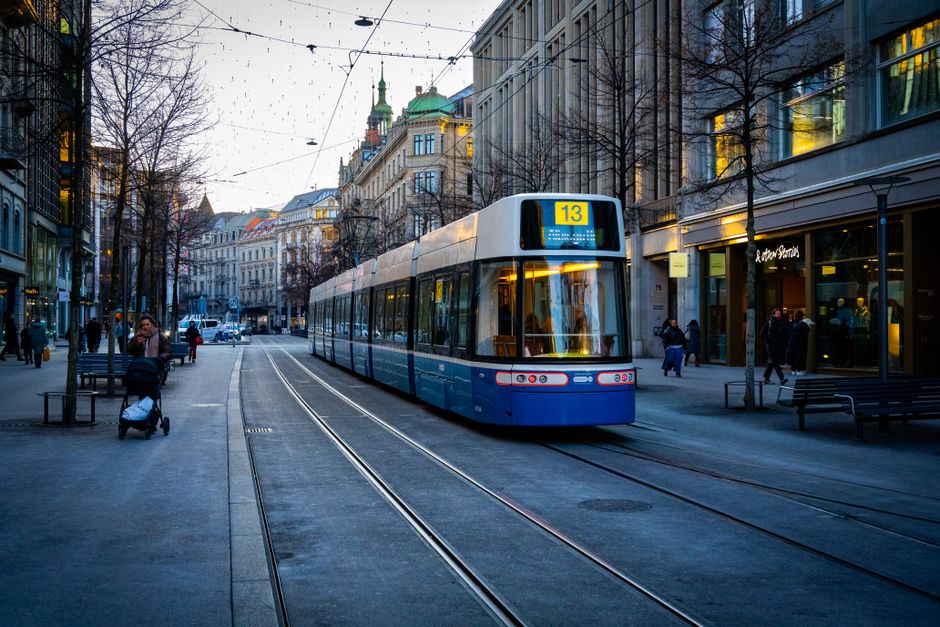
Walk through Europaallee on any given Tuesday and you'll spot the contradiction that defines Zurich's tech scene. Metres from gleaming UBS towers, founders in hoodies huddle in converted warehouse spaces, pitching AI solutions to investors who still wear tie pins. This juxtaposition—old-money stability married to scrappy entrepreneurship—has become Zurich's greatest competitive advantage in an increasingly fragmented global startup landscape.
The numbers tell part of the story. Zurich's venture capital market attracted approximately 2.8 billion Swiss francs in 2025, according to local investment trackers, with median Series A rounds hovering around 15-20 million francs. That's notably lean compared to Silicon Valley's 25-35 million average, but it reflects something critical: discipline. Swiss venture investors, shaped by a financial culture where loss-aversion runs deep, demand proven business models earlier than their American or Asian counterparts.
This conservative streak, however, paradoxically accelerates sustainable growth. Startups funded through Zurich's ecosystem—anchored by established VC firms in the Bahnhofstrasse district and emerging operators clustering around Kreis 5's startup hubs—tend toward profitability rather than growth-at-all-costs. Survival rates exceed European averages by roughly 12 percentage points, according to recent startup survival studies.
The real distinctive feature, though, is institutional access. Few cities globally offer what Zurich does routinely: direct pipelines between early-stage founders and multinational corporate innovation labs, banking infrastructure specialists, and pharmaceutical researchers. ETH Zurich's computer science programmes pump hundreds of talent annually into the local market. The Swiss Financial Market Authority sits minutes away from where startups are building fintech solutions. This proximity isn't accidental—it's structural.
Recent regulatory moves have sharpened this edge further. Switzerland's 2024 blockchain legislation, among Europe's most coherent, has attracted crypto-native founders abandoning Dubai and Singapore. Meanwhile, the country's data protection frameworks—stricter than GDPR in several respects—have become a marketing asset for privacy-focused startups targeting EU markets.
Geopolitically, this matters more than ever. As US-China competition reshapes venture capital allocation, Zurich occupies rare neutral ground. European founders seeking non-US capital increasingly look here. Chinese tech investors, barred from American deals, find Zurich a legitimate alternative. This neutrality, rooted in Switzerland's 200-year diplomatic tradition, translates directly into deal flow advantages.
The city remains too expensive, and its bureaucracy too thorough, to ever rival Berlin's raw startup velocity or London's sheer scale. But in 2026's fractured investment landscape, Zurich's disciplined, well-connected, geopolitically unaligned ecosystem increasingly looks like the model other cities wish they'd built.
This article was compiled by AI from the sources linked above and screened before publishing. See our editorial standards.