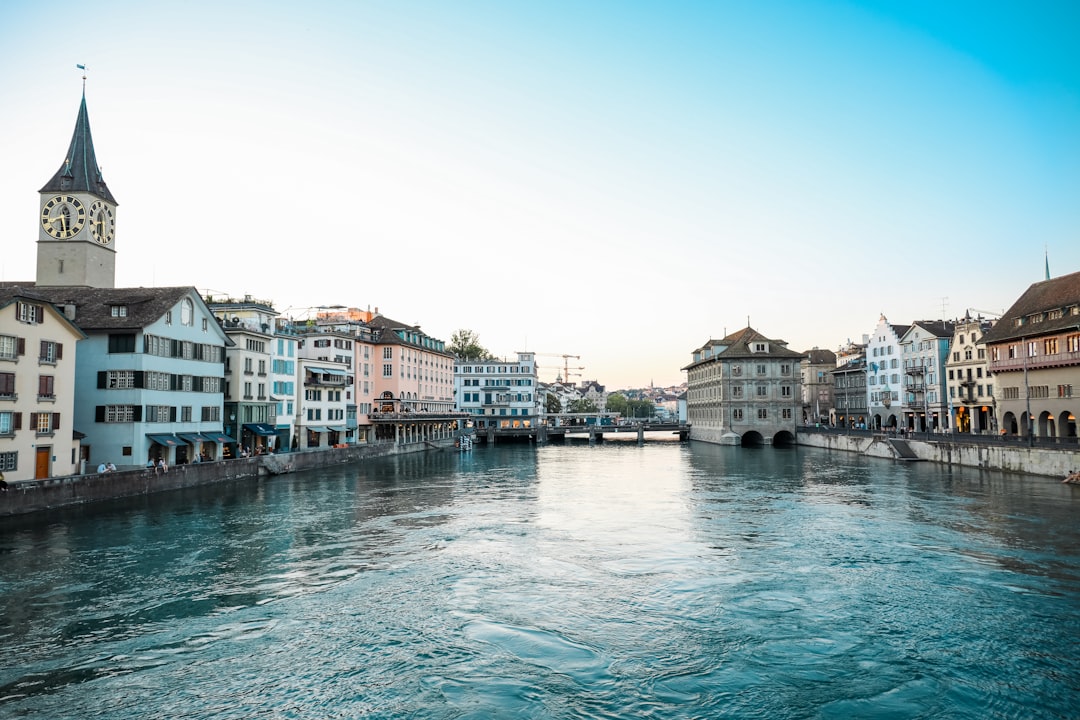
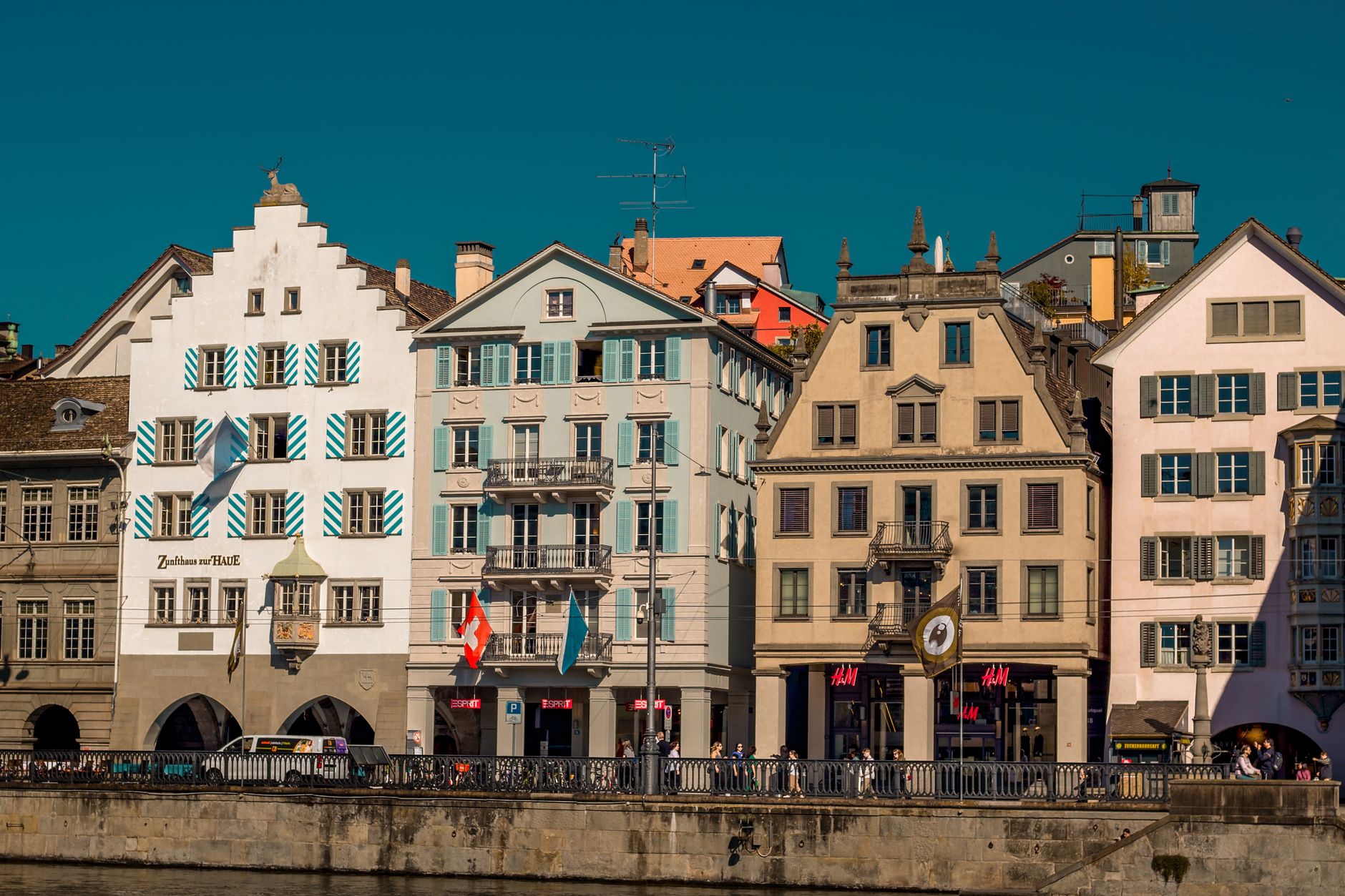
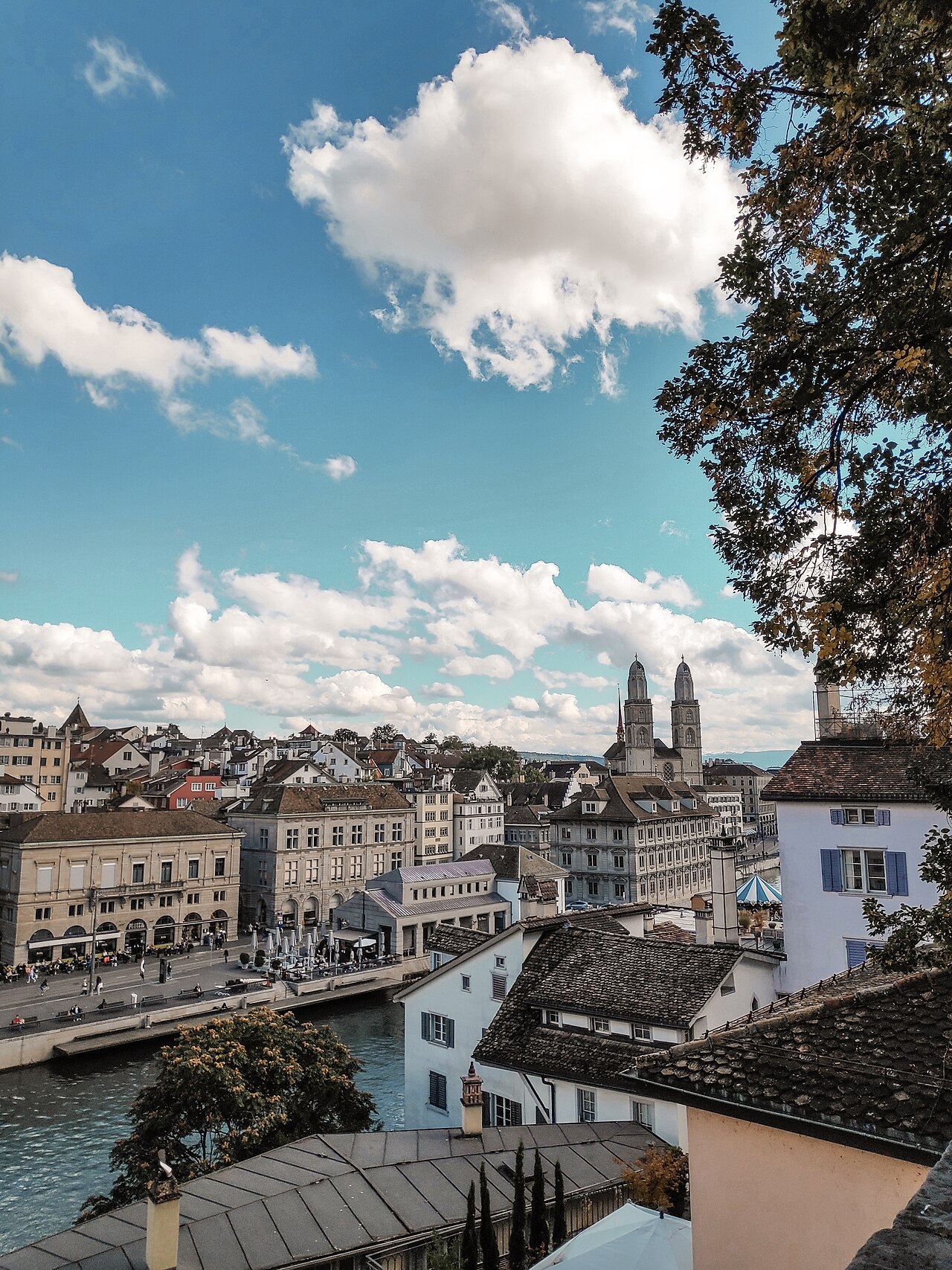
Walk through the gleaming office parks of Zurich's Sihlfeld district or climb to the creative studios scattered across Zurich West, and you'll encounter a tech ecosystem that prizes something most Silicon Valley players treat as an afterthought: privacy as a foundational principle.
This distinction has become Zurich's defining characteristic in global cybersecurity. Unlike the attention-grabbing breaches and surveillance scandals that plague California's tech hubs, Switzerland's largest city has cultivated a reputation for building security into products from day one, not bolting it on later. The reasoning runs deep—centuries of banking discretion, strict data protection laws, and a cultural emphasis on institutional neutrality have created conditions where privacy isn't marketing; it's infrastructure.
The numbers reflect this. According to a 2025 survey by the Swiss IT Security Association, companies headquartered in Zurich report data breach incidents at roughly half the rate of comparable firms in London or Frankfurt. Rents for secure server facilities in the city centre now command 18–22% premiums compared to Frankfurt, reflecting global demand. The Swiss Cybersecurity Hub, located in the Technopark Zurich near the Letzigraben, coordinates over 240 member organisations focused on defensive research and protocol innovation.
What makes this possible? Switzerland's Federal Data Protection Act—recently strengthened in 2024—creates legal scaffolding that startups building here must navigate from inception. This sounds restrictive until you recognise the competitive advantage: companies emerging from Zurich carry certifications and compliance credentials that open doors across Europe and Asia, where regulatory frameworks are tightening.
The ecosystem thrives on this constraint. In neighbourhoods like Kreis 5 and along Europaallee, venture-backed firms are attacking specific problems—encrypted communication for healthcare, anonymisation tools for financial data, decentralized identity systems—that would face regulatory friction elsewhere. Swiss Re and UBS may dominate the traditional finance sector, but younger players are defining what comes next.
Critically, Zurich's strength isn't isolation. The city attracts talent from across Europe and beyond, drawn by both opportunity and philosophy. The annual Zurich Cybersecurity Summit—held this year with over 2,800 attendees—has become a clearing house for ideas about how privacy and innovation coexist.
As global governments scramble to regulate tech companies and citizens grow anxious about their digital footprints, Zurich offers a template: that restrictive privacy law and thriving innovation aren't opposites. They're prerequisites for building trust in systems people actually want to use.
This article was compiled by AI and screened before publishing. See our editorial standards.