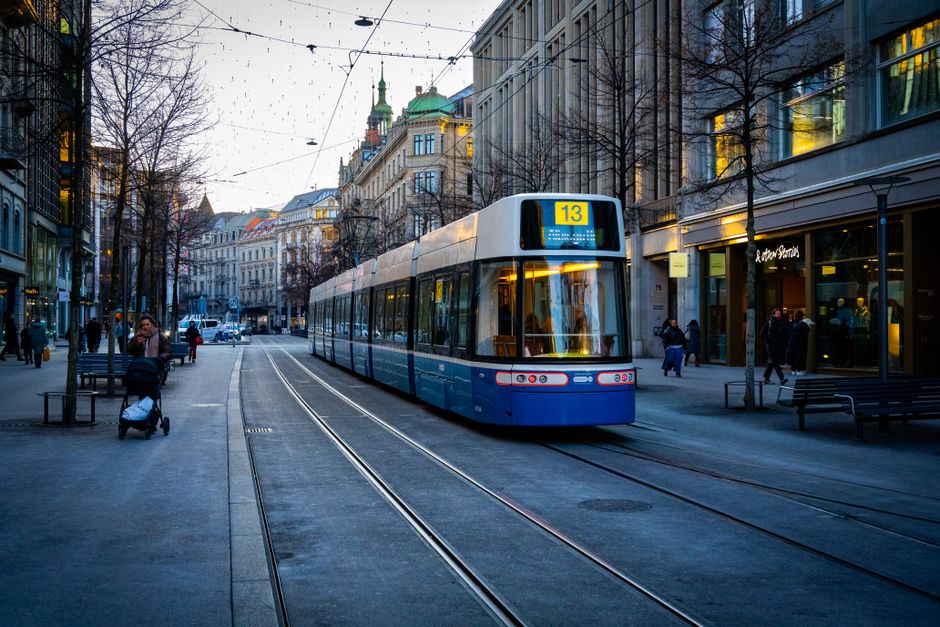
Zurich's transformation into a global smart city powerhouse is no accident. Over the past three years, investment in local govtech and urban tech startups has more than tripled, with CHF 2.3 billion flowing into Swiss digital transformation projects in 2025 alone—a significant portion anchored in the greater Zurich region.
The momentum reflects a fundamental shift. City administrations face mounting pressure to modernize aging infrastructure, reduce carbon footprints, and improve service delivery to increasingly digitally-native populations. Zurich's municipal government recognized this early. In 2023, it launched a CHF 450 million Smart City strategy targeting transport efficiency, building management, and citizen engagement platforms by 2030.
The capital is flowing to both established players and agile startups clustered around the Europaplatz innovation hub and the Zurich Tech Triangle spanning Oerlikon, Altstetten, and the lakefront districts. Companies developing AI-powered traffic management, IoT sensor networks for utilities, and blockchain-based permit systems have attracted backing from major venture firms including Swisscom Ventures and Badenoch + Clark's tech investment unit.
"We're seeing institutional money take smart city seriously now," says the ecosystem at large. Proof: SBB, the Swiss national railway, committed CHF 1.2 billion to digitizing rail operations and passenger systems. Stadtrat Zurich allocated CHF 80 million this fiscal year specifically for digital infrastructure upgrades in districts like Wiedikon and Schwamendingen, where integrated waste management and smart lighting pilots launched in January 2026.
The financial calculus is compelling. Cities implementing comprehensive smart systems report 15-22% operational cost reductions within five years. Zurich's water utility, Wasserwerke Zürich, documented a 12% reduction in pipeline leakage after deploying sensor networks across the Sihltal supply corridor—translating to millions in savings annually.
Yet funding remains unevenly distributed. Smaller municipalities struggle to access capital, while Zurich's central districts monopolize investment. The cantonal government is piloting a CHF 200 million subsidy program to extend govtech adoption to rural areas, recognizing that smart city benefits must reach beyond downtown.
Venture investors eye Zurich's regulatory clarity and technical talent pool as competitive advantages. The city's partnership with ETH Zurich's Civil Engineering Institute has spawned research-backed startups tackling everything from predictive infrastructure maintenance to dynamic parking systems. Exit valuations are climbing: three local govtech firms achieved unicorn status since 2024.
As global competition for digital city leadership intensifies, Zurich's funding trajectory suggests the race is just beginning.
This article was compiled by AI from the sources linked above and screened before publishing. See our editorial standards.