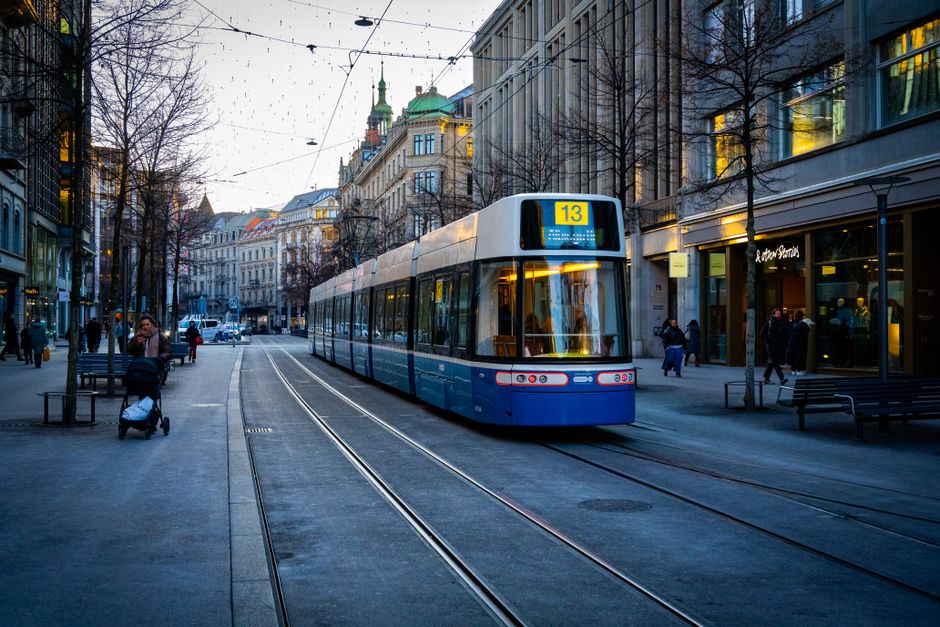
Walk down Bahnhofstrasse on any weekday morning and you'll notice something invisible but pervasive: artificial intelligence is now orchestrating the flow of commuters, optimizing traffic lights, and predicting which SBB trains will be packed. For Zurich residents, this technological transformation has moved from boardrooms to breakfast tables faster than most realised.
The shift became tangible in early 2025 when the city's public transport authority integrated AI-powered demand forecasting across its network. Commuters from Wiedikon to Oerlikon now receive real-time crowding predictions on their phones—accurate to within 15 minutes. "It's changed how I plan my morning," says one regular passenger who requests anonymity. Monthly passes cost 130 CHF, unchanged, but the time savings have added up.
Beyond transport, the impact ripples through neighbourhoods. In Zurich's affluent Seefeld district, household AI systems now manage energy consumption, automatically adjusting heating and cooling based on occupancy patterns and weather forecasts. A typical apartment's utility bill has dropped approximately 18 percent, according to local housing associations. Meanwhile, small businesses on Limmatstrasse and around Paradeplatz are deploying AI chatbots handling customer service—a move that's reduced response times from hours to minutes, though some shopkeepers quietly worry about job displacement.
The technology hasn't arrived without friction. Privacy advocates have raised concerns about data collection in public spaces, particularly around Hauptbahnhof, where facial recognition systems identify wanted persons. The city council has mandated transparency reports, with the latest quarterly disclosure revealing the system flagged 340 individuals, though critics argue the thresholds remain unclear.
Grocery shopping, too, has transformed. Migros and Coop stores now use computer vision at self-checkout terminals, reducing errors and theft—but also recording shopping patterns. Residents pay the same prices, yet their purchasing behaviour is increasingly predicted and, indirectly, shaped by algorithmic recommendations.
Perhaps most surprisingly, even Zurich's rental market feels AI's touch. Property platforms like Immoscout24 now use predictive algorithms to value apartments within a 3 percent margin, making negotiations more transparent—or more rigid, depending on your perspective. A two-bedroom in Altstetten now commands around 2,800 CHF monthly, with algorithms helping landlords and tenants alike determine fair pricing.
Six months into 2026, the question facing Zurich residents is no longer whether AI will affect daily life. It already has. The question now is whether the city's famously pragmatic population can ensure the benefits remain broadly distributed rather than concentrated among early adopters and tech companies.
This article was compiled by AI from the sources linked above and screened before publishing. See our editorial standards.