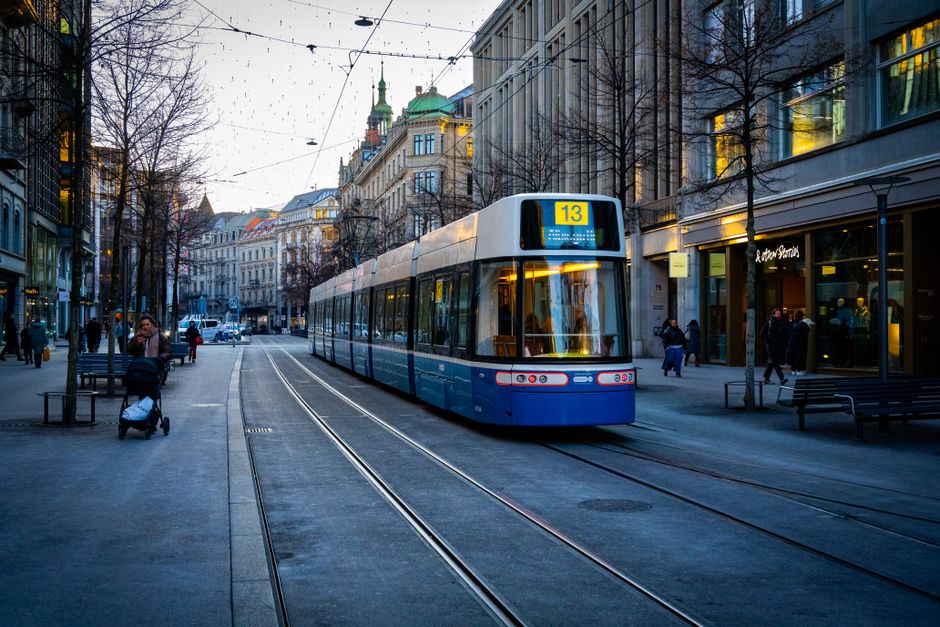
How Zurich's startup boom is reshaping daily life for residents across the city
Local venture capital is fuelling innovations that are transforming everything from commuting to neighbourhood services.
Local venture capital is fuelling innovations that are transforming everything from commuting to neighbourhood services.
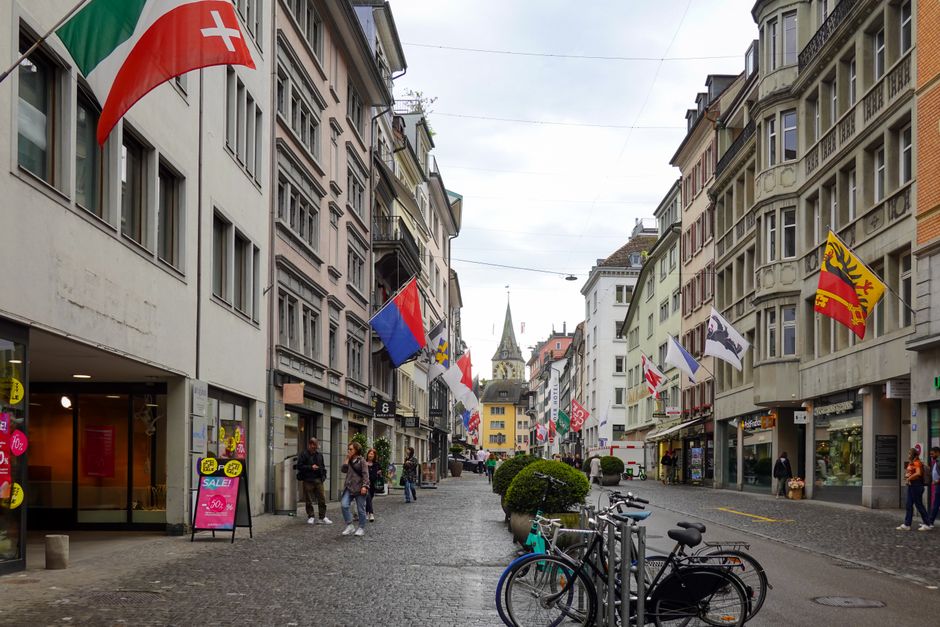
Walking through Wiedikon on a Tuesday morning, you might notice something subtle: fewer cars idling at traffic lights, more people unlocking electric scooters from neat rows outside Migros, residents ordering fresh groceries via an app that promises 15-minute delivery. These aren't accidents. They're the visible consequences of Zurich's quietly explosive startup ecosystem, where venture capital deployed over the past three years has reshaped how 415,000 residents move, work, and live.
The numbers tell the story. Between 2023 and 2026, Zurich-based startups raised approximately 1.2 billion francs in venture funding—a 40 per cent increase from the previous three-year cycle, according to venture capital tracking firms. Much of that capital isn't heading to Silicon Valley; it's staying local, funding companies that solve hyperlocal problems.
Take mobility. StartUp Micromobility, an e-scooter operator headquartered in Kreis 5, expanded from 2,000 devices in 2023 to 8,500 today, fundamentally changing how residents navigate between Hauptbahnhof and the Bahnhofstrasse shopping district. Monthly subscriptions cost 25 francs, undercutting tram fares for regular commuters. A similar story plays out in groceries: Rapid Delivery AG, founded by former Coop executives and backed by local VCs, now operates from four distribution hubs across the city, including one in Altstetten, fulfilling orders from Zürichberg to Hongg within contractual timeframes.
But the impact extends beyond commerce. In Aussersihl, a neighbourhood long struggling with housing affordability, a proptech startup called RoomShare—funded partly by Zurich-based venture firm Lakestar—uses AI to match compatible flatmates, helping residents secure affordable shared housing in a market where studio apartments average 2,100 francs monthly. The platform has facilitated over 3,000 matches since 2024.
This ecosystem didn't emerge randomly. The Swiss Economic Institute and ETH Zurich have cultivated an environment where venture capital feels increasingly comfortable deploying capital into local solutions. The City of Zurich's tech office, established in 2021, now coordinates with over 40 active VC firms managing assets in the region.
Of course, challenges remain. Residents in outer districts like Schwamendingen report slower adoption of these services, raising questions about equitable access. Property owners worry about regulatory gaps around short-term rentals enabled by venture-backed platforms.
Still, as you grab a coffee from a cafe that manages its inventory via a startup-built supply chain system, the transformation feels tangible. Zurich's venture capital isn't abstract anymore—it's the scooter beneath your feet and the notification on your phone.
This article was compiled by AI from the sources linked above and screened before publishing. See our editorial standards.
How does this story make you feel?
Spread the word
About this article
Published by The Daily Zurich
Daily brief
Free, in your inbox before 7am. Weekdays.
More in tech