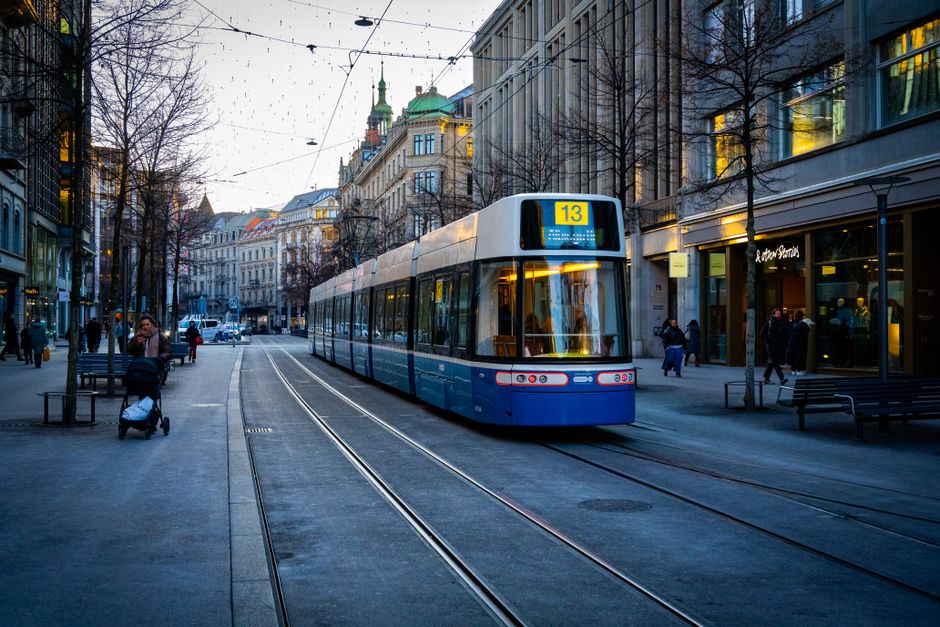
Zurich's transformation into a "smart city" is advancing rapidly. Real-time traffic sensors now manage congestion across Bahnhofstrasse and Europaplatz. Water consumption monitoring has reduced waste by 12% in pilot zones. The city plans to invest CHF 45 million over the next three years in integrated digital infrastructure spanning waste management, energy grids, and public transport coordination.
Yet behind the efficiency gains, a more complicated picture emerges. At a recent forum hosted by the Zurich University of Teacher Education, researchers and city planners acknowledged what few municipal press releases mention: smart city systems concentrate enormous power in the hands of those who design and operate them. Data flows that seem technical are fundamentally political.
Consider the Kreis 5 mobility pilot. While app-based parking and e-scooter integration have reduced search time by an average of eight minutes, critics note the system favours residents with smartphones and digital literacy. Older populations and lower-income neighbourhoods like Altstetten have seen less tangible benefit. "Digital transformation without equity becomes digital gentrification," notes research from the City Lab at ETH Zurich.
Privacy concerns are equally pressing. Smart city sensors—from environmental monitors in Uetliberg to pedestrian counters on Limmatquai—generate detailed behavioural datasets. While anonymised in theory, re-identification risks remain real. Who owns this data? How long is it retained? Can it be sold or repurposed? Zurich's privacy commissioner has flagged gaps in municipal data governance frameworks.
There's also the question of democratic accountability. Many smart city decisions are outsourced to tech vendors whose algorithms operate as black boxes. When an AI system recommends where to concentrate street lighting or which neighbourhoods need enhanced monitoring, residents rarely have meaningful input into those choices. The promise of "smart" decision-making can obscure whose values are being embedded in code.
Zurich's authorities, to their credit, recognise these tensions. The city has begun consulting with civil society organisations and academic ethics groups before deploying new systems. A proposed digital charter would mandate transparency and community consultation on major tech rollouts.
The underlying question remains unresolved: technology itself is neutral, but its deployment never is. Zurich's smart city vision can deliver genuine improvements in livability and sustainability—or it can become a tool for surveillance and exclusion. The outcome depends not on the sophistication of the systems, but on the robustness of the democratic processes steering them.
This article was compiled by AI from the sources linked above and screened before publishing. See our editorial standards.