Zurich's Green Tech Startups Are Racing to Scale—and Investment is Following
From battery recycling to precision agriculture, the city's sustainability-focused founders are attracting serious capital as Europe's climate targets tighten.
From battery recycling to precision agriculture, the city's sustainability-focused founders are attracting serious capital as Europe's climate targets tighten.
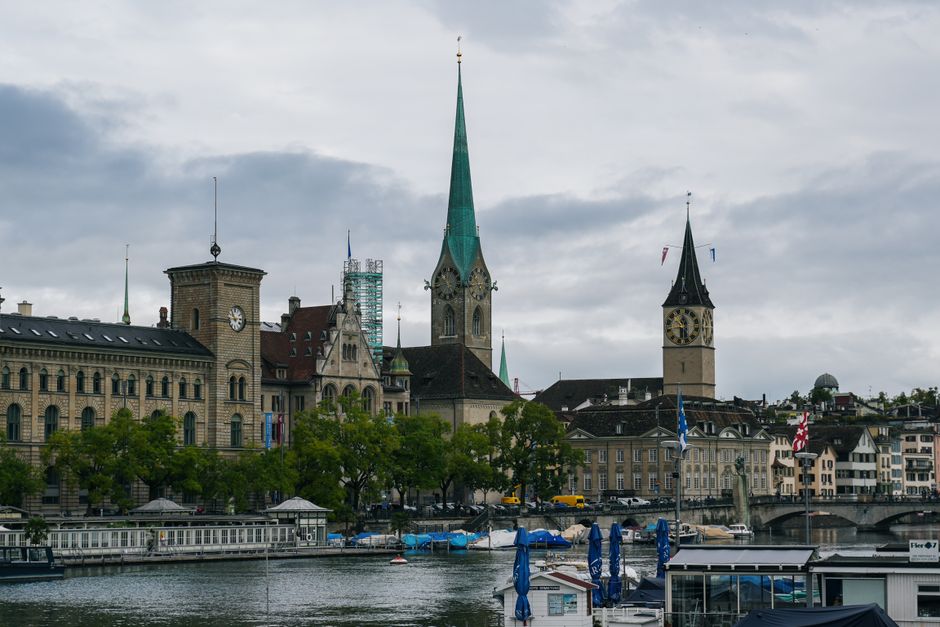
Zurich's tech ecosystem has quietly become one of Europe's hotbeds for climate solutions. Walk through the startup clusters in Zurich West's industrial quarter or visit the co-working spaces dotting Wiedikon, and you'll find founders tackling everything from circular economy logistics to decentralised renewable grids. The shift is unmistakable: clean energy and sustainability are no longer niche—they're the dominant theme in the city's innovation landscape.
Data from SwissStartup's mid-year report reveals that clean tech and green tech ventures now account for roughly 22% of new funding announcements in the Zurich region, up from 16% in 2024. Several factors are driving this momentum. Switzerland's commitment to net-zero by 2050, combined with the EU's tightening emissions regulations affecting cross-border commerce, has created urgent demand for scalable solutions. At the same time, major corporates—from Nestlé to Roche—have begun actively scouting early-stage ventures aligned with their sustainability roadmaps.
One telling indicator: the Swiss Cleantech Association hosted its annual summit in Zurich last month, drawing over 1,200 attendees to the Kongresshaus. The event featured keynotes on hydrogen infrastructure, industrial waste-to-energy platforms, and digital tools for supply chain decarbonisation. Several emerging ventures showcased prototypes that would have seemed marginal five years ago—thermal battery systems for district heating, AI-driven optimization software for renewable microgrids, and advanced composting technologies—now competing for attention alongside traditional enterprise software.
The funding environment remains disciplined by Swiss standards, but selective. Seed rounds in the €2–5 million range are still relatively accessible for teams with strong technical co-founders and clear market validation. Mid-stage deals—€10–30 million—are rarer, but several notable closures this quarter suggest investor appetite is picking up. Local venture firms like Lakestar and Founderful have expanded their sustainability-focused portfolios considerably.
Location matters, too. Zurich's proximity to leading research institutions—ETH Zurich's Department of Civil, Environmental and Geomatic Engineering, and the University of Zurich's Sustainability Institute—creates a pipeline of technically sophisticated founders and attracts PhD-level talent that might otherwise migrate to Berlin or the Bay Area. The cost of living remains prohibitive for many, but for deep-tech founders requiring access to specialised equipment and regulatory expertise, the trade-off is worth it.
What's next? Expect continued consolidation around battery materials, grid modernisation, and food-tech solutions over the next 18 months. The window for founders to build category leaders in these spaces is narrowing as larger players move faster. For Zurich, that's both opportunity and pressure: attracting and retaining the next wave of green tech unicorns will require sustained investment in talent pipelines, regulatory clarity, and access to capital. So far, the city's track record suggests it's equal to the challenge.
This article was compiled by AI from the sources linked above and screened before publishing. See our editorial standards.
How does this story make you feel?
Spread the word
About this article
Published by The Daily Zurich
Daily brief
Free, in your inbox before 7am. Weekdays.
More in tech