Zurich's Daily Commute Is Being Rewritten by the Coworking Revolution
As remote work infrastructure transforms how residents work, the city's neighbourhoods are experiencing a profound shift in traffic, local economies, and quality of life.
As remote work infrastructure transforms how residents work, the city's neighbourhoods are experiencing a profound shift in traffic, local economies, and quality of life.
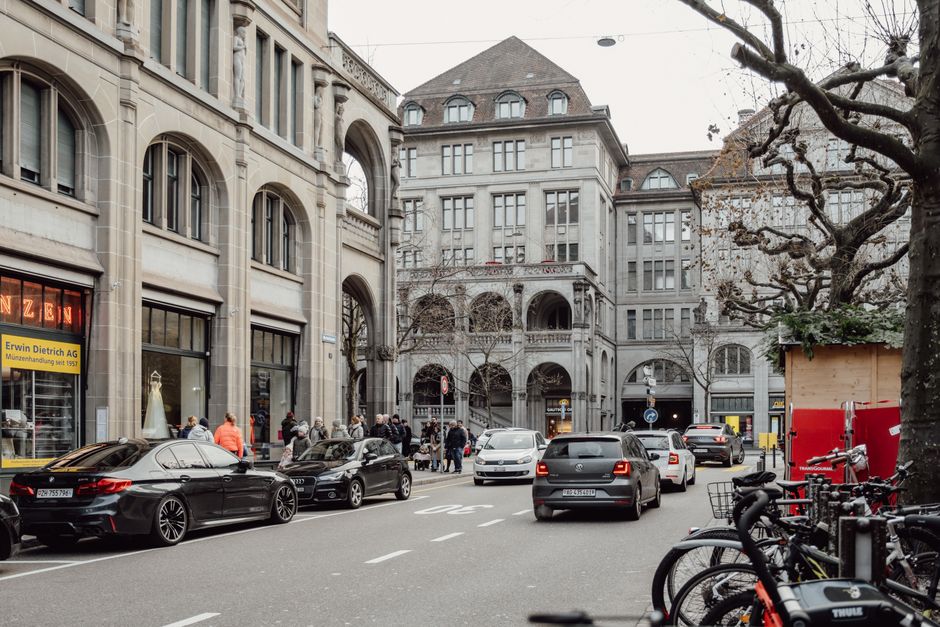
For decades, the morning rush hour on the Zürichberg train line has been as predictable as the Alps on a clear day. But something shifted in the past two years. Fewer suits crowd the platforms. Fewer cars clog the Sihlquai. And Zurich's neighbourhoods are quietly reclaiming their mornings.
The transformation reflects a broader reality: remote work and coworking infrastructure have fundamentally altered daily life for residents across the city. According to recent data from the Zurich Chamber of Commerce, approximately 38% of the city's workforce now works remotely at least three days weekly, up from just 12% in 2020. The ripple effects are visible everywhere.
In Wiedikon, traditionally a residential neighbourhood with limited commercial activity, coworking spaces have become gathering hubs. Spaces like those clustered along Badenerstrasse now host freelancers, startup founders, and employees of larger firms seeking flexibility. Local café owners report shifted patterns—lunch service has intensified while morning traffic has eased. "We see different customers, different rhythms," one Café owner on Gutstrasse noted recently.
The economic implications are tangible. Commercial real estate in central districts like the Europaallee development has experienced slower growth as demand for traditional office space plateaus, while residential neighbourhoods benefit from increased local spending. Rents in areas like Altstetten and Oerlikon, once considered peripheral, have stabilized as workers choose proximity to home over proximity to downtown offices.
Not everyone views the shift as universally positive. Traditional office districts around the Bahnhofstrasse corridor face declining foot traffic. Public transport revenues have dipped slightly. Yet city planners see opportunity: reduced congestion supports Zurich's climate goals, while neighbourhood vitality improves when residents remain locally distributed throughout the day.
The technological backbone enabling this shift—reliable broadband infrastructure, collaboration platforms, and coworking amenities—represents significant investment. The city has quietly upgraded digital infrastructure, particularly in outer districts. Average broadband speeds in Zurich now exceed 150 Mbps, among Europe's highest.
For residents like those in the thriving communities of Hottingen and Fluntern, the change means reclaiming time once lost to commuting. Morning walks along the Zürichhorn now include neighbours who once spent those hours on trains. Local shops benefit from midday foot traffic. Schools see parents more engaged in afternoon activities.
As Zurich navigates post-pandemic normalcy, the coworking revolution has proved no temporary experiment but a genuine restructuring of urban life. The question now isn't whether remote work will stick—it clearly has—but how the city will optimize for this new reality.
This article was compiled by AI from the sources linked above and screened before publishing. See our editorial standards.
How does this story make you feel?
Spread the word
About this article
Published by The Daily Zurich
Daily brief
Free, in your inbox before 7am. Weekdays.
More in tech