Stress Relief Zurich: 5 Habits Locals Use Daily
Discover evidence-backed stress management routines Zurich residents use daily. From lakefront walks to mountain breaks—practical habits you can start today.
Discover evidence-backed stress management routines Zurich residents use daily. From lakefront walks to mountain breaks—practical habits you can start today.
In a city consistently ranked among Europe's most expensive and competitive, Zurich residents have developed surprisingly grounded strategies for managing stress. Unlike trendy wellness fads, the habits gaining real traction here are rooted in accessibility and consistency—the kind you can actually sustain on a Wednesday morning.
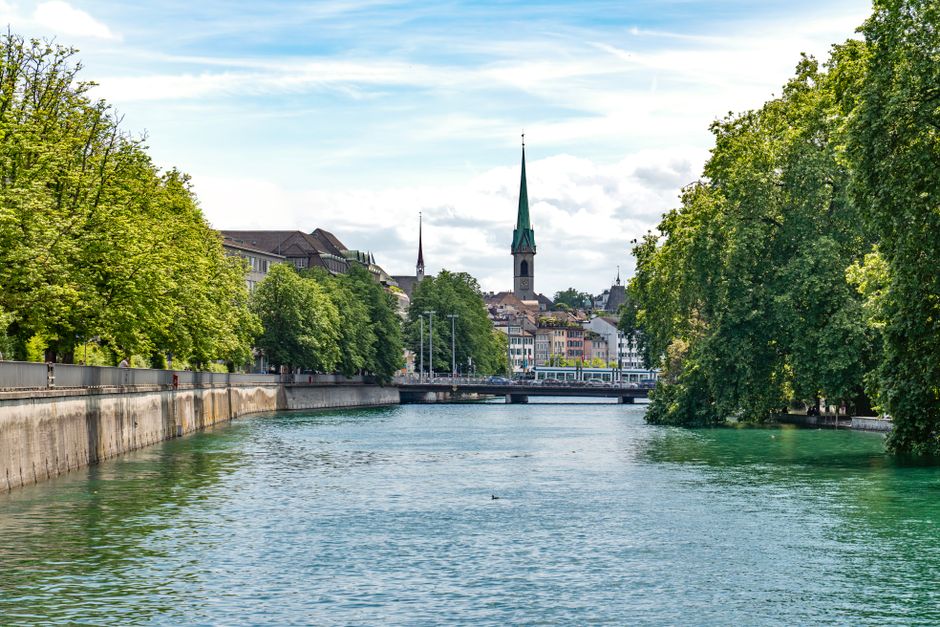
The lakefront commute has become a de facto mindfulness practice for thousands. Rather than rushing directly to offices in the Europaplatz or Zurich West districts, many professionals now build in 15-20 minutes along the Seeufer pathway. A 2024 survey by the Zurich Tourism Board found that 43% of local workers incorporate some form of waterside walking into their weekly routine, citing improved focus and reduced cortisol levels. The practice costs nothing and requires no booking.
Mountain hiking, particularly the accessible Uetliberg trail (reachable via the S10 train from the city centre), has evolved from weekend leisure into a structured stress-management tool. Local health insurers, including CSS and Helsana, now reference alpine exercise in their wellness guides, recognising the measurable mental health benefits of elevation and nature immersion. A 30-minute summit walk provides tangible distance from email inboxes and deadlines.
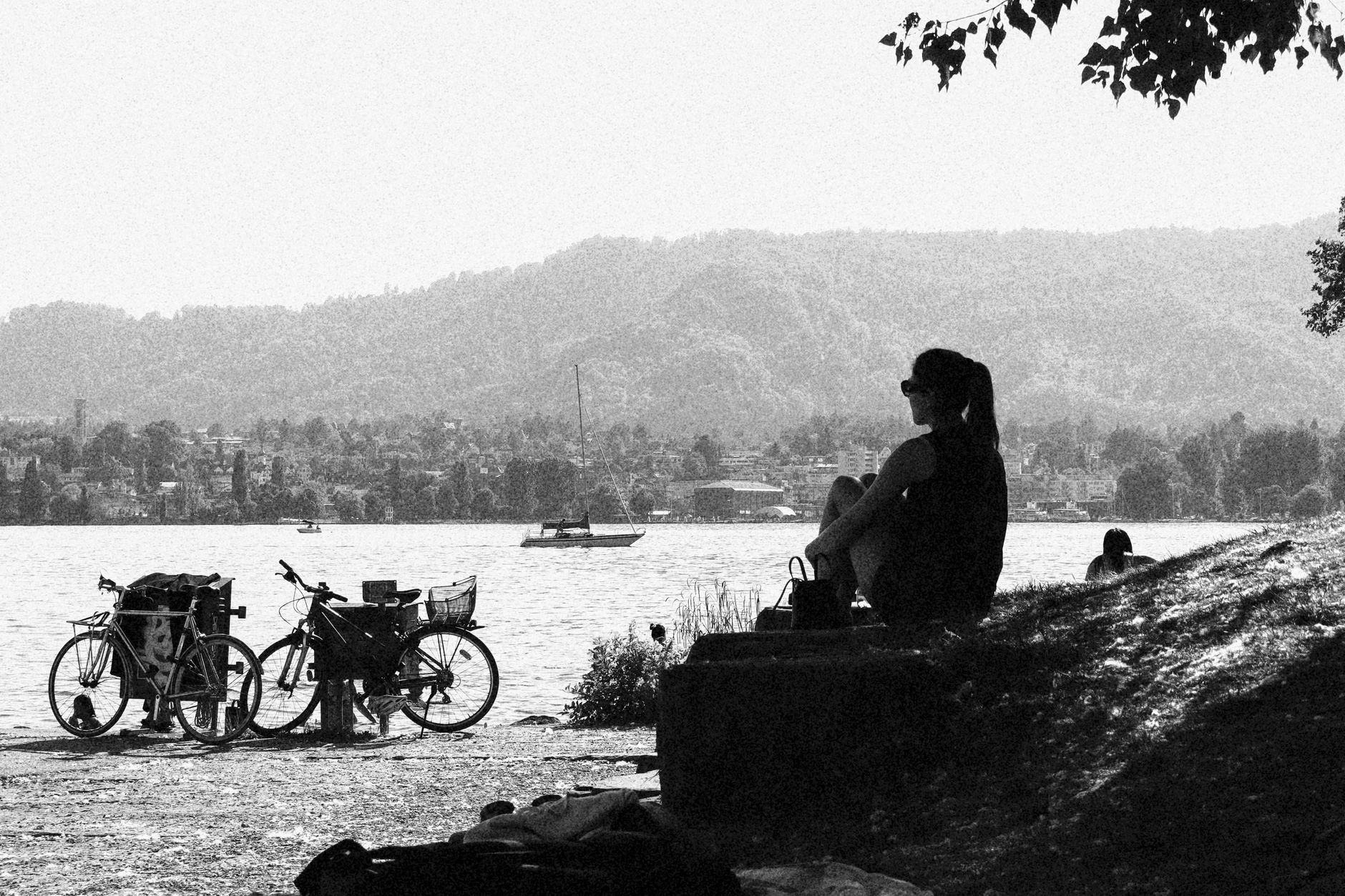
Early morning swimming in the city's public lidos—Mythenquai, Tiefenbrunnen, and others—represents another embedded local habit. Operating from May through September, these facilities charge modest daily fees (around 8-12 CHF) and serve as anchoring rituals. Regular swimmers report that the temperature shock and rhythmic movement create a natural reset point before the working day begins.
Afternoon tea or coffee pauses, particularly in quieter cafés around Wiedikon or along Bahnhofstrasse side streets, have shifted from social indulgence to designated decompression time. Rather than multitasking, locals are increasingly protecting 10-15 minutes of genuine stillness—a practice supported by occupational health research linking structured breaks to sustained productivity.
Finally, evening journaling and reflection have gained credence among professionals managing high-pressure roles. This habit requires minimal investment and aligns with Swiss cultural values of precision and introspection. Several local bookshops in the Altstadt stock mindfulness journals, though many residents simply use blank notebooks.
What these habits share is pragmatism. They're woven into Zurich's existing infrastructure—the water, the mountains, the public spaces—rather than demanding additional expense or time. For a population accustomed to efficiency, that alignment matters enormously.
If stress or anxiety significantly impacts your daily life, consult a healthcare provider or contact local services like the Psychiatrische Universitätsklinik Zürich for professional support.
This article was compiled by AI and screened before publishing. See our editorial standards.
How does this story make you feel?
Spread the word
About this article
Published by The Daily Zurich
Daily brief
Free, in your inbox before 7am. Weekdays.
More in Wellness