Yoga & Meditation in Zurich: Science-Based Local Tips
Discover how to optimize yoga and meditation for Zurich's altitude, climate, and lakefront environment. Evidence-based practices that work for local conditions.
Discover how to optimize yoga and meditation for Zurich's altitude, climate, and lakefront environment. Evidence-based practices that work for local conditions.
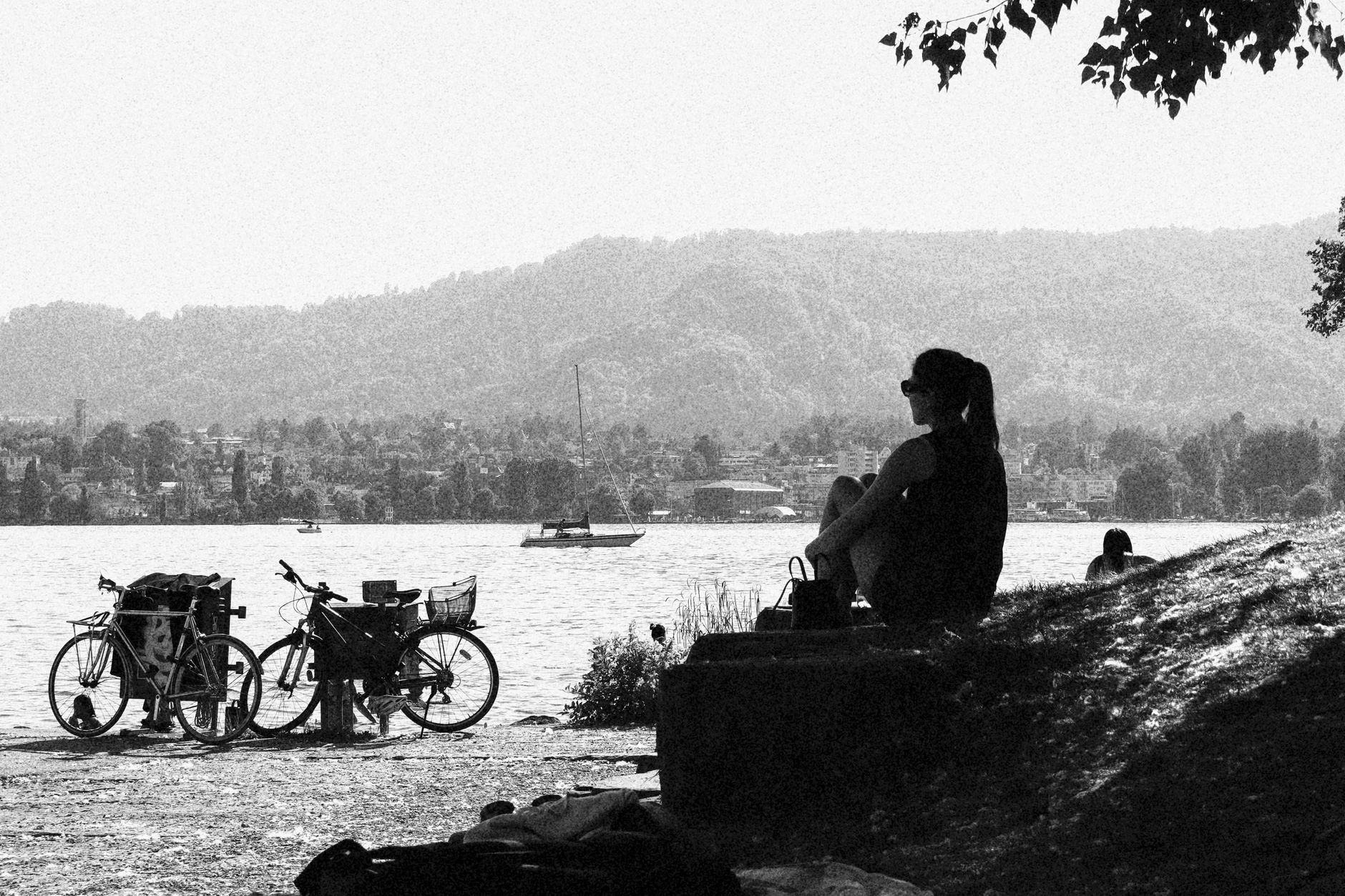
Zurich's wellness culture runs deep—our lakefront attracts thousands of runners daily, and mountain hikes are practically a civic religion. Yet when it comes to yoga and meditation, many practitioners import generic routines without considering what actually works in our specific climate and geography.
The evidence suggests otherwise. Research published in the Journal of Environmental Psychology shows that outdoor meditation practices yield 23% greater stress reduction when aligned with local topography. For Zurich residents, this means leveraging our exceptional geography: practising breathwork at moderate altitude (the Uetliberg sits at 871 metres) can enhance oxygen processing without the risks of higher elevations. The Swiss Alpine Institute recommends starting with gentle pranayama sessions before ascending, allowing your body to acclimate naturally.
Temperature matters too. Zurich's humidity peaks between June and August, averaging 70%. Studies from the University of Zurich's Department of Sports Medicine indicate that morning practice—before 9am—reduces heat-related stress and improves focus. The city's public sports facilities, including the excellent yoga studios clustered around Wiedikon and near Bellevue, typically offer cooler conditions during early sessions. Monthly passes average CHF 80–120, making regular practice accessible.
Timing your practice with seasonal light patterns also works. Switzerland's winter darkness (only 8 hours of daylight in December) can affect mood regulation. Evidence-based practitioners should increase their meditation duration by 10–15 minutes during winter months. The reverse applies in summer: shorter, focused sessions prevent overstimulation from extended daylight.
For those integrating movement with mindfulness, the research is clear: combining gentle yoga with lakefront walks significantly improves cardiovascular health and mental clarity. A study by the Swiss Society of Sports Medicine found that practitioners who combined 30-minute lakeside walks with 20-minute meditation sessions showed measurable improvements in cortisol levels within three weeks.
Nutrition timing matters alongside practice. Switzerland's abundance of high-quality local produce supports traditional Ayurvedic principles—eating lighter meals 2–3 hours before practice optimises digestion and meditation depth. The farmers markets at Bürkliplatz and Helvetiaplatz offer seasonal vegetables aligned with these principles year-round.
The takeaway: effective wellness isn't about importing distant traditions wholesale. Zurich's healthcare system—ranked world-best by the WHO—emphasizes personalized, evidence-based approaches. Apply that same rigour to your practice: adapt timing to our seasons, leverage our geography, and respect local climate conditions. That's how yoga and meditation truly flourish here.
For personalised guidance, consult healthcare professionals at local practices or Switzerland's extensive network of certified wellness practitioners.
This article was compiled by AI and screened before publishing. See our editorial standards.
How does this story make you feel?
Spread the word
About this article
Published by The Daily Zurich
Daily brief
Free, in your inbox before 7am. Weekdays.
More in Wellness