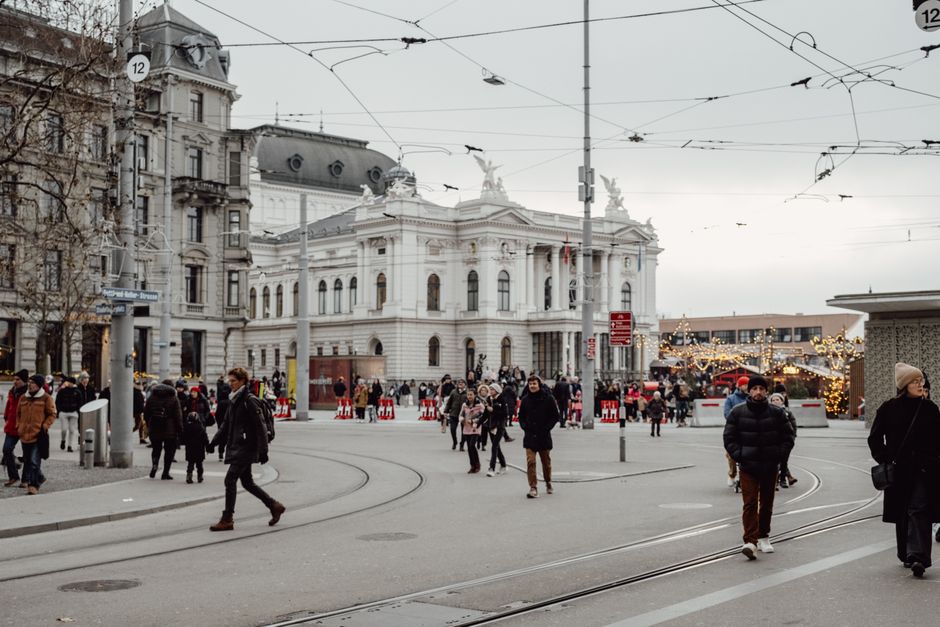
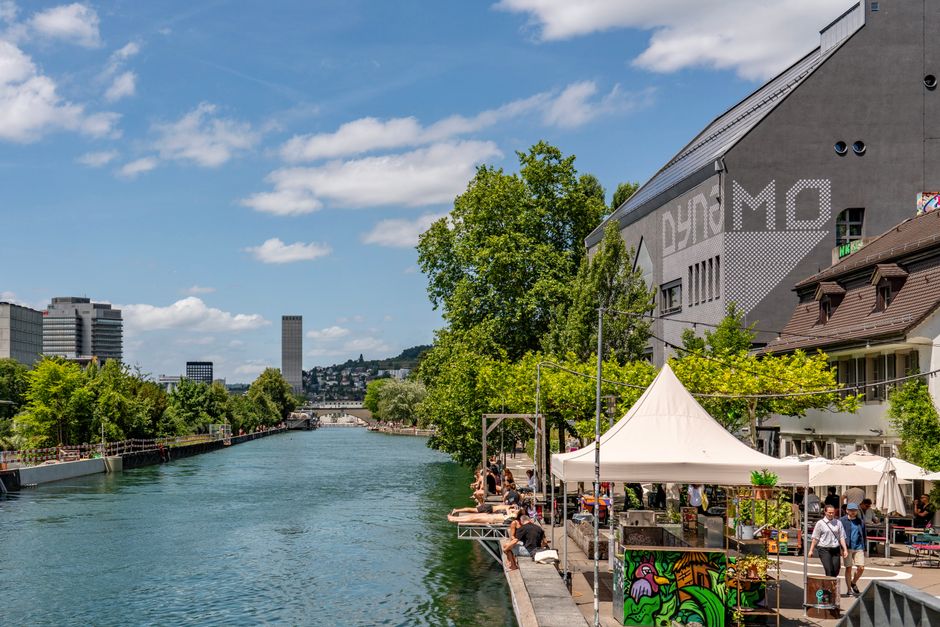
Walk along the Limmatquai on a summer evening, and you'll see Zürich's cultural identity on full display—the renovated Renaissance facades, the carefully curated gallery windows, the fountain-dotted squares where locals gather. But few pause to consider the architects, philanthropists, and visionaries who deliberately shaped this landscape over the past 150 years.
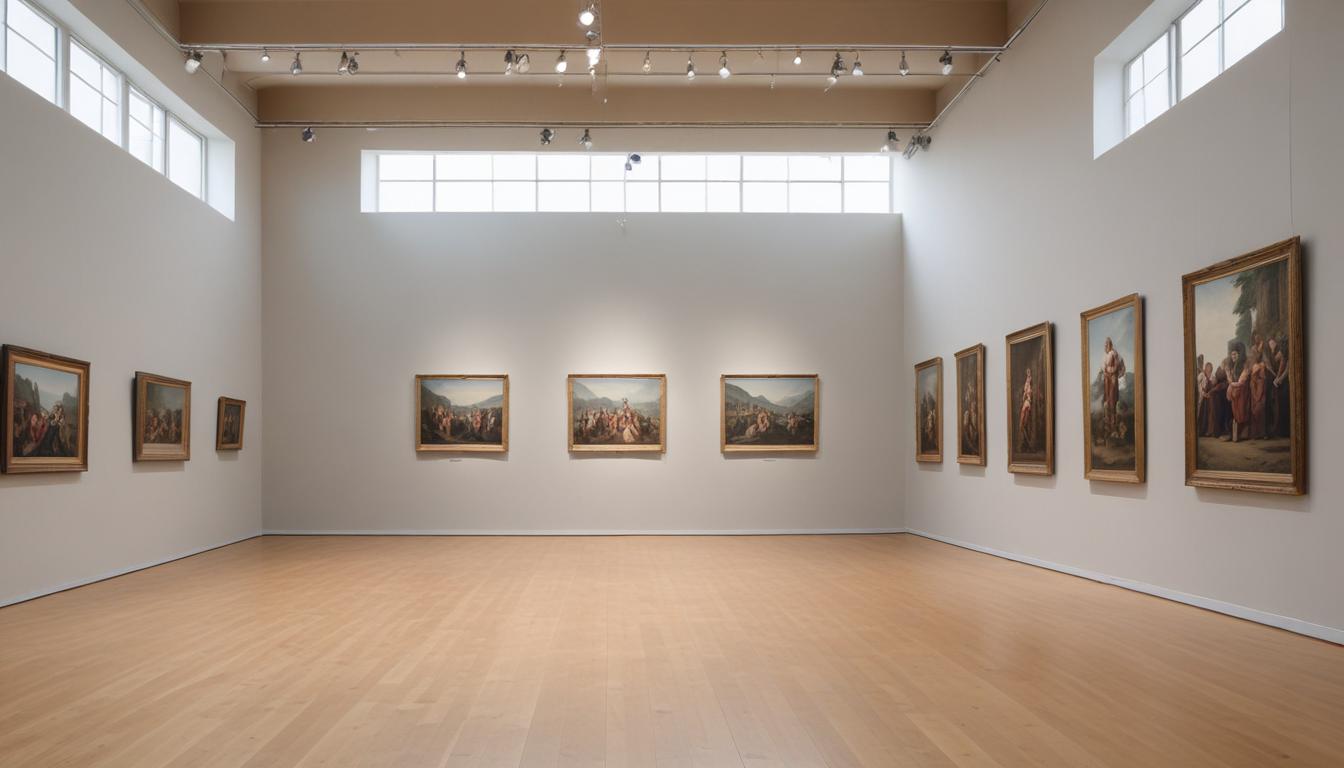
The story begins with industrialists who, rather than retreat into private wealth, chose to underwrite Zürich's public cultural infrastructure. In 1885, when the Kunsthaus opened its doors on Heimplatz, it represented something radical: a city of merchants and bankers saying that art belonged to everyone. The original collection, built on donations from wealthy families like the Zurlaubens and Johnsons, established a principle that still governs the institution today. Today, the Kunsthaus—which underwent a major expansion completed in 2021—attracts over 450,000 visitors annually, with admission priced at a deliberately accessible 16 CHF.
This wasn't haphazard development. In the 1970s, as Zürich's financial prominence grew, city planners and cultural advocates made deliberate choices about preservation. The Altstadt's winding streets, which could have been demolished for modernist thoroughfares, were protected. The guildhalls along the Limmat—structures dating to the 15th century—were restored rather than replaced. These decisions reflected a philosophy: that Zürich's identity should be rooted in continuity, not erasure.
The Museum Rietberg, established in 1952 through the private collection of Baron Eduard von der Heydt, demonstrates another crucial principle. Rather than marginalizing non-European art to peripheral spaces, Zurich's cultural establishment integrated global perspectives into its core narrative. The museum now occupies Villa Wesendonck in the Riesbach neighborhood, serving over 100,000 visitors annually and hosting exhibitions that challenge traditional hierarchies of cultural value.
Today, organizations like the Stiftung Zürich Kulturelle Vielfalt continue this legacy, managing a network of neighborhood cultural centers across the city's diverse districts. They operate on the recognition that cultural identity isn't monolithic—it's built by the continuous choices of residents, artists, and institutions.
What emerges is a portrait of a city that understood, early on, that cultural infrastructure is democratic infrastructure. The Kunsthaus director, the Rietberg conservators, the city planning committees of decades past—their collective decisions created not just buildings and collections, but the possibility of shared meaning in a rapidly changing world.
This article was compiled by AI from the sources linked above and screened before publishing. See our editorial standards.