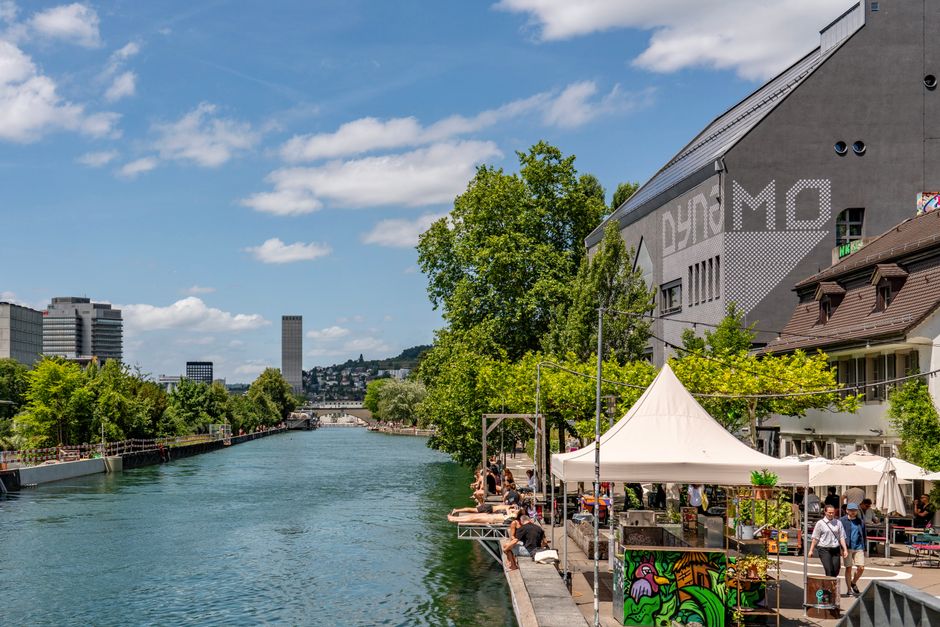
Walk down Langstrasse in Zurich's Kreis 5 on any given evening, and you'll witness something that would have seemed unthinkable a decade ago: the neighbourhood's rough edges are being lovingly refined, not erased. Between vintage clothing shops and artist studios, restaurants and bars have become the primary vehicles for creative reinvention—and they're reshaping how the city sees itself.
The shift runs deeper than aesthetics. Where Zurich once defined itself through banking and precision, a younger generation of chefs, mixologists, and restaurateurs are asserting a new cultural narrative: one rooted in collaboration, sustainability, and artistic experimentation. "The restaurant isn't just where you eat," explains the ethos rippling through venues like those clustered around Josefstrasse, where menus change seasonally and reflect global diaspora communities, from Vietnamese to West African cuisine.
The numbers tell part of the story. Zurich now hosts over 2,200 restaurants, with independent establishments growing faster than chains. Average meal prices hover between 25-45 CHF for casual dining, yet patrons queue for hours at pop-up venues and supper clubs, suggesting something beyond mere sustenance drives demand. What's notable is the geographic democratization: creativity isn't confined to wealthy districts like Wiedikon anymore, though its bar scene—underground speakeasies and craft cocktail destinations—remains iconic.
The cultural significance crystallized around 2024, when several chef collectives began hosting collaborative dinners addressing themes from climate migration to gender equity in kitchens. These events became de facto community forums, attracting artists, activists, and curious locals. Food, suddenly, was a language for discussing identity in a city grappling with immigration, inequality, and what "Zurich-ness" actually means in 2026.
Neighbourhood associations now measure success partly through food-related initiatives. The Wiedikon Verein and various Quartiervereine sponsor chef residencies and cooking workshops, recognizing restaurants as cultural institutions on par with galleries or theatres. Instagram has amplified this visibility—Zurich's food scene generates substantial social media traction, attracting tourists and establishing the city as a culinary destination beyond its banker reputation.
What's emerged is an identity built on plurality rather than homogeneity. Syrian hummus joints operate metres from Michelin-starred establishments. Street food vendors anchor cultural memory. Young chefs return from Berlin, Copenhagen, and Tokyo, bringing influences that challenge Swiss insularity.
For a city historically defined by what it produces—precision watches, banking systems—Zurich's restaurants have become unexpected engines of cultural expression, proving that identity isn't fixed, but seasoned, shared, and continually remade.
This article was compiled by AI from the sources linked above and screened before publishing. See our editorial standards.