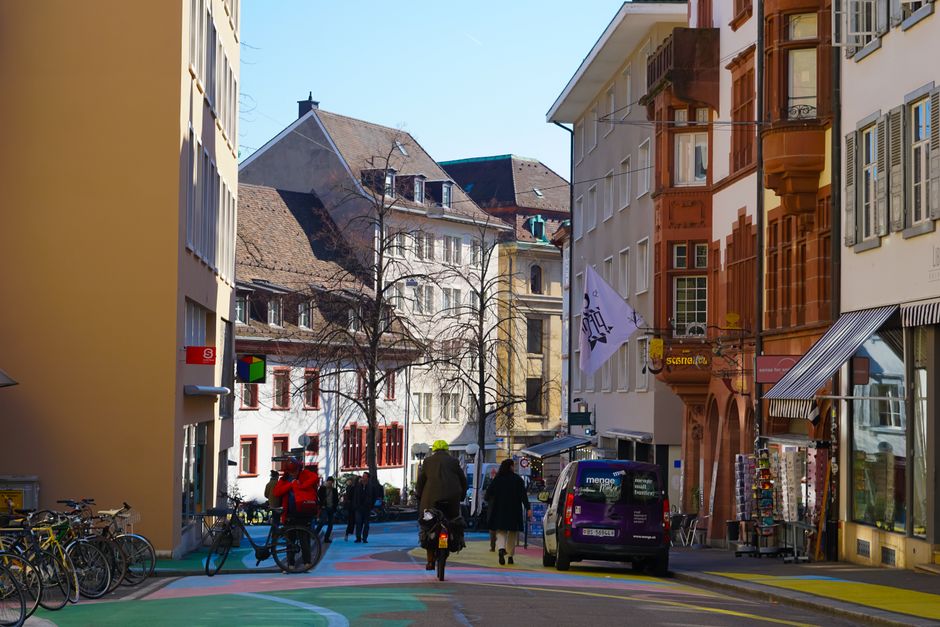
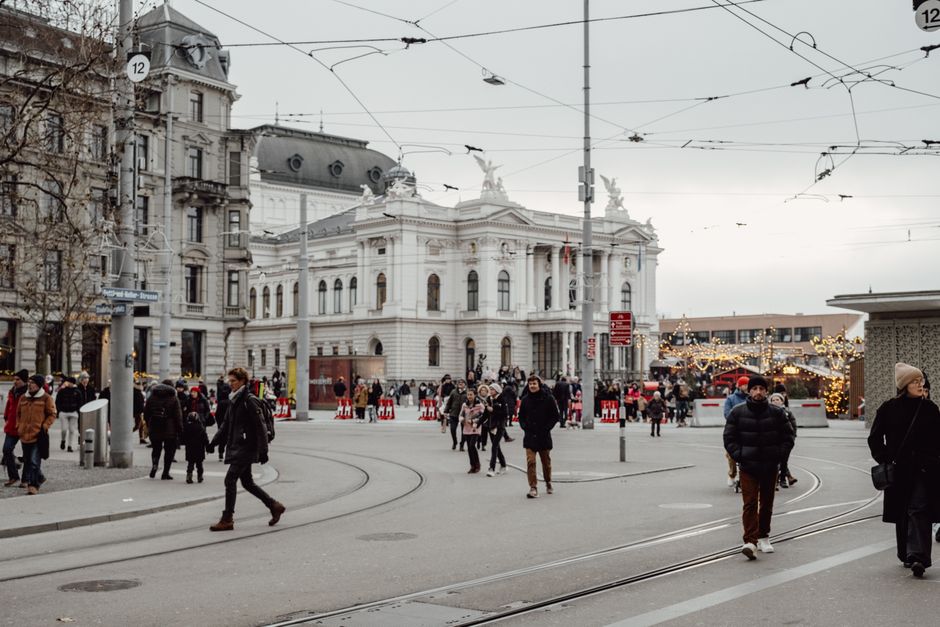
Walk through Zurich's Aussersihl district on any given evening and you'll notice something has shifted. The sprawling murals that once dominated the railway underpasses near Wiedikon station—a lawless canvas since the 1990s—are now interspersed with commissioned works bearing the logos of major Swiss tech firms. Street artists who spent decades claiming wall space without permission now negotiate contracts. The transformation has sparked what locals describe as the most significant cultural conversation about public space since the city's 2016 sustainability referendum.
The catalyst? A CHF 450 million mixed-use development announced last month for the Europaallee district, which will consume 8,000 square metres of informal street art real estate. City authorities simultaneously launched a "Curated Walls" initiative, designating 12 legal muraling zones across Zurich 5, 6, and 7. The move aims to preserve creative expression while tidying the city's image ahead of hosting tech conferences and attracting international talent.
"This is gentrification wrapped in aesthetic language," says one established Zurich street artist collective, whose work has appeared in galleries but whose identity remains protected. Local design studios, however, see opportunity. Over 60 applications came in within weeks of the city opening new official zones near the Züri-Leu cultural centre and along Sihlquai. Established galleries like Kunsthalle Zürich have begun hosting street artists for formal exhibitions—a paradox that hasn't gone unnoticed.
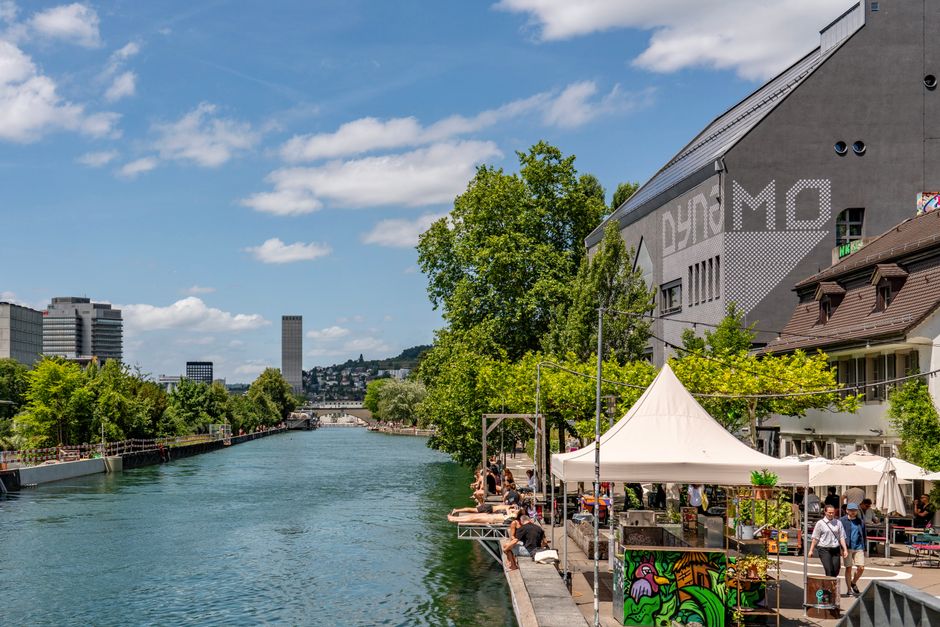
The economics tell part of the story. Zurich's property values have climbed 12% over two years, making peripheral creative zones increasingly valuable to developers. Simultaneously, younger designers—priced out of traditional studio space in the city centre—have colonised previously ignored industrial areas. Zones like the Hardbrücke neighbourhood now host around 80 artist-run studios, up from just 15 in 2019.
Tourism boards report that visitors increasingly cite street art as a reason for choosing Zurich over Basel or Bern. Local schools now incorporate "urban design walks" into curricula. Yet tension remains between spontaneous creation and sanctioned design. Some established artists deliberately work in the new legal zones; others insist that codified street art loses its rebellious DNA.
The real question occupying dinner tables across Zurich isn't whether street art deserves a place in the city—that's settled. It's whether the city's rush to harness creative culture will transform it into something safer, more profitable, and ultimately less vital. That debate will define Zurich's cultural identity for years to come.
This article was compiled by AI from the sources linked above and screened before publishing. See our editorial standards.