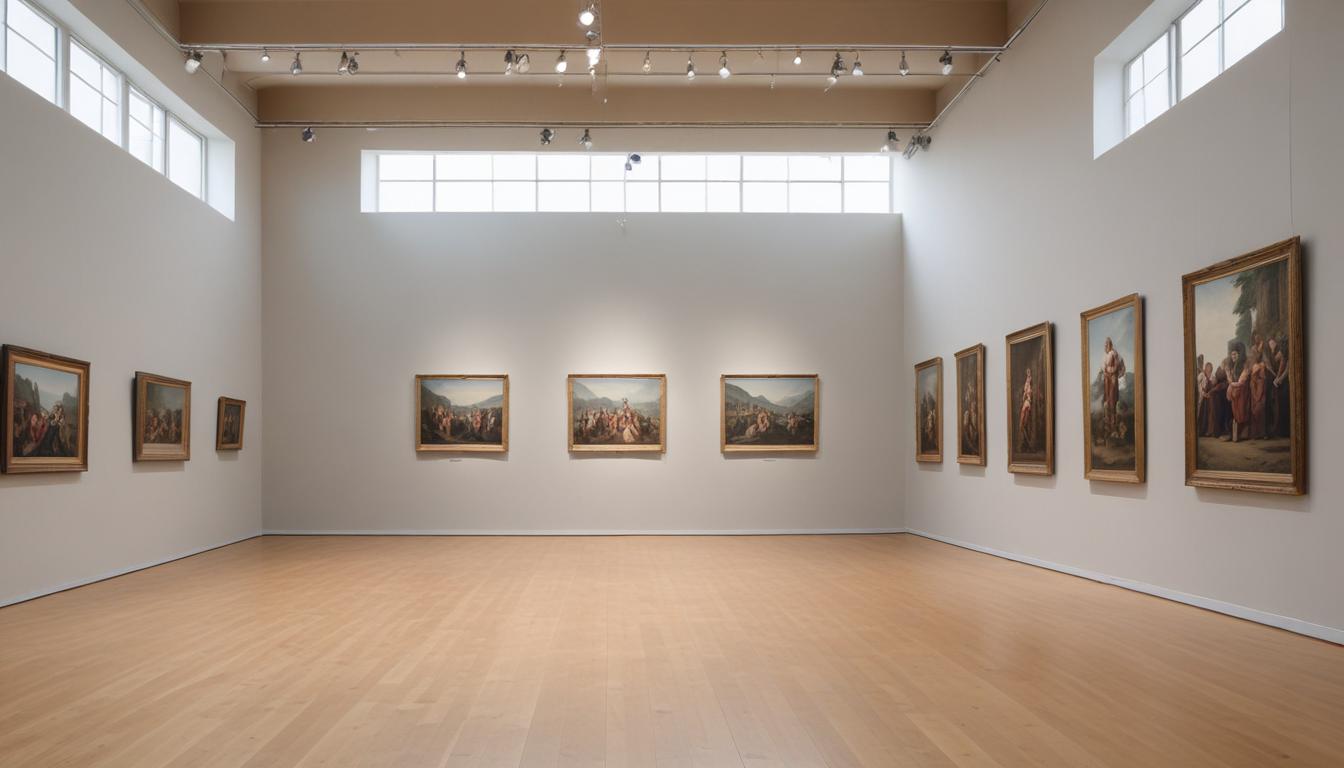
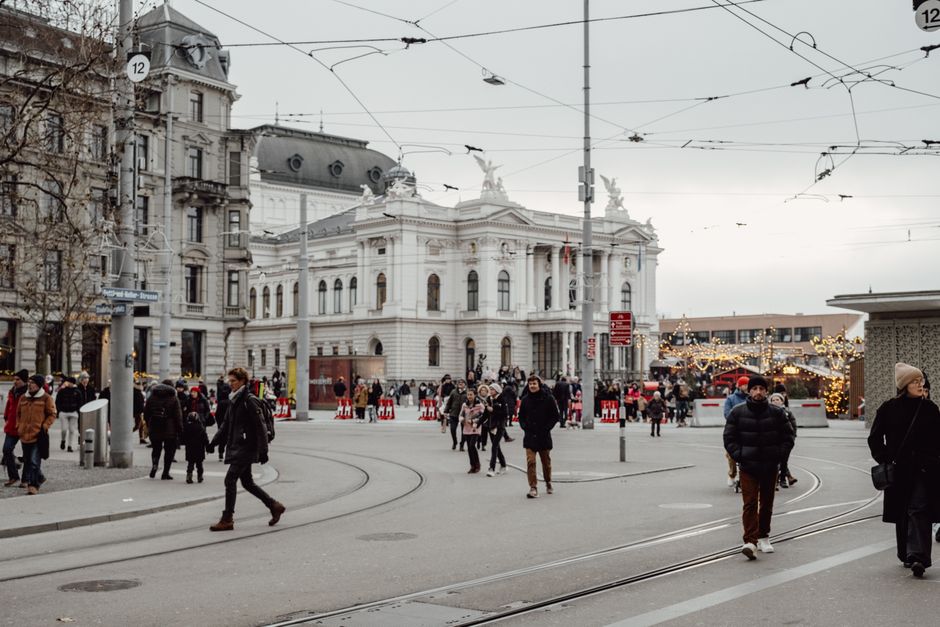
When the Kunsthaus Zurich unveiled its monumental extension in 2021, designed by British architect David Chipperfield, it signalled something profound about how a city's cultural identity can be deliberately constructed. The 13,000-square-metre addition didn't appear by accident—it emerged from the strategic vision of a coalition of figures who recognised that Zurich's future depended on elevating its art institutions to world-class status.
The story begins with institutional courage. In 2008, when the global financial crisis threatened cultural budgets across Europe, the Kunsthaus board committed to an ambitious expansion programme. Director Christoph Vitali, who served from 2008 to 2020, championed the vision despite scepticism. His team acquired 11,000 works in a single decade, building one of Europe's most significant modern art collections—comparable to institutions in Berlin and Paris that had centuries of advantage.
The spatial transformation of the Heimplatz neighbourhood reflects this ambition. Where industrial buildings once dominated, the new glass and limestone structure now anchors a pedestrian district that has become genuinely cosmopolitan. Annual visitor numbers climbed from 280,000 in 2015 to over 620,000 by 2024. Ticket prices—32 Swiss francs for adults—remain accessible, a deliberate policy choice rooted in democratic principles held by the institution's founding ethos.
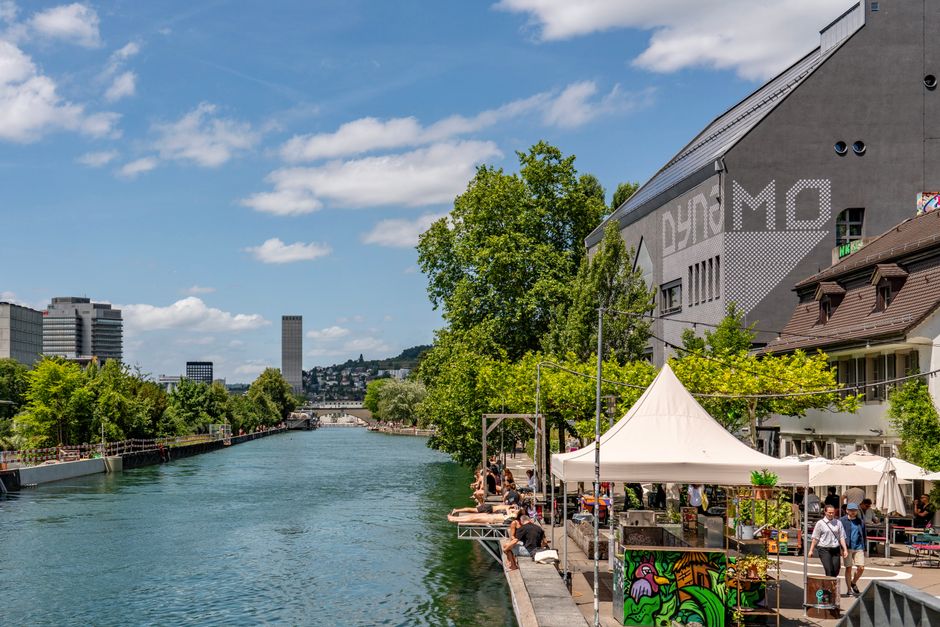
But the real story belongs to the people operating beyond the marble halls. The curatorial teams at Kunsthaus, Museum of Fine Arts, and smaller institutions like the Helmhaus have cultivated relationships with artists, collectors, and international museums that fundamentally rewired Zurich's cultural gravity. Gallery owners along Limmatstrasse and in the Industriequartier invested heavily in emerging artists, creating ecosystems that attracted international attention.
What distinguishes Zurich's model is its roots in the city's republican tradition. Unlike museums built on industrial fortunes or aristocratic collections, Zurich's cultural infrastructure evolved from civic investment—the Kunsthaus itself was founded in 1787 as a citizen initiative. This DNA persists. The recent appointment of curators focused on global perspectives and decolonising exhibition practices reflects a deliberate effort to challenge Zurich's historical Eurocentrism.
Today, when international art critics discuss the city's renaissance, they're describing the cumulative effect of thousands of professional decisions made by architects, educators, conservators, and administrators who understood that cultural identity isn't inherited—it's built, intentionally, by people committed to a vision. Zurich's scene emerged not because the city was naturally predisposed to excellence, but because someone decided it should be.
This article was compiled by AI from the sources linked above and screened before publishing. See our editorial standards.