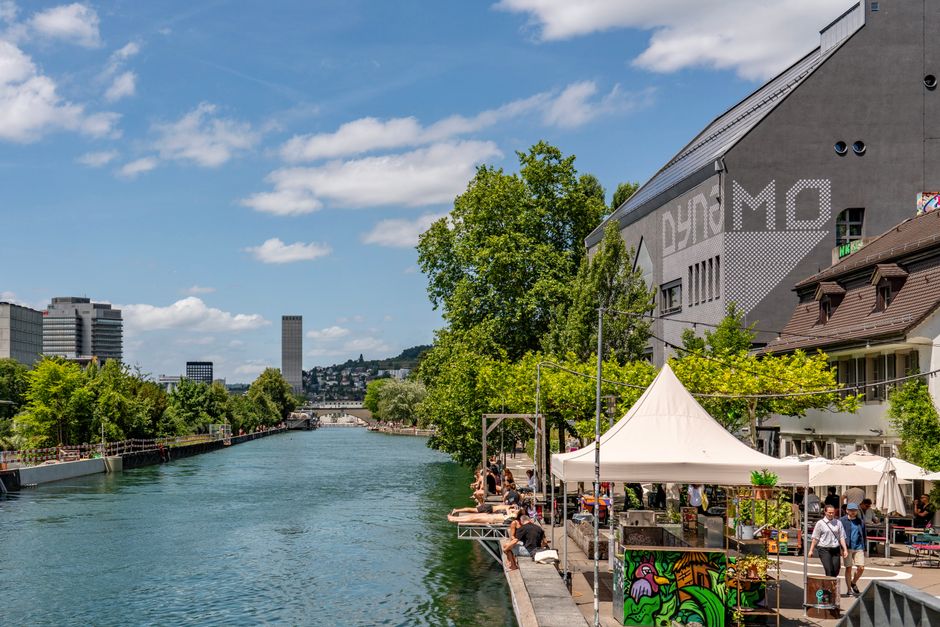
Walk along Geroldstrasse in Wiedikon on any given weekend, and you'll encounter a patchwork of transformation that tells Zurich's untold story. Once the backbone of the city's textile and machine-manufacturing sectors, this industrial corridor has become the epicentre of a quietly powerful cultural movement—one that refuses to let the city's working-class heritage disappear beneath layers of luxury developments and financial-district aesthetics.
At the heart of this shift sits a coalition of community organisations, independent historians, and neighbourhood residents who have spent the past four years systematically documenting, preserving, and reinterpreting what they call "Zurich's hidden century." The group, operating informally through spaces like the Kulturhaus Kosmos on Wiener Strasse and the Schiffbau cultural centre, has mobilised hundreds of locals to participate in oral history projects, archival research, and public programming that challenges the narrative of a city defined solely by banking and precision engineering.
"People forget that Zurich's wealth didn't emerge from thin air," explains the volunteer-run team behind the Industriekultur Zurich initiative. "Thousands of workers built this city. Their stories—their neighbourhoods, their struggles, their innovations—are embedded in the very streets we walk on."
The movement has gained tangible momentum. In 2024, the city's cultural department allocated 2.3 million francs toward heritage preservation projects, a significant increase from the 800,000 francs allocated five years prior. Local property owners in Aussersihl have begun converting former factory buildings into affordable artist studios and community spaces rather than luxury apartments—a reversal of the development trend that has pushed residents out of central neighbourhoods, with average rents in these districts climbing 37 percent since 2019.
What distinguishes this movement is its deliberate focus on community participation rather than top-down curatorial authority. The groups organise monthly walking tours (typically attracting 60-80 participants), host archives in neighbourhood libraries, and have produced a crowd-sourced digital map documenting over 340 significant industrial sites across the city.
As Zurich confronts questions about gentrification, cultural homogenisation, and what it means to be a global city with local roots, this grassroots effort to reclaim industrial heritage represents something far more significant than nostalgia. It's a movement asserting that authentic cultural identity—the kind that shapes community cohesion and civic pride—cannot be manufactured or imported. It must be excavated, remembered, and continuously renegotiated by the people who inhabit these neighbourhoods.
This article was compiled by AI from the sources linked above and screened before publishing. See our editorial standards.