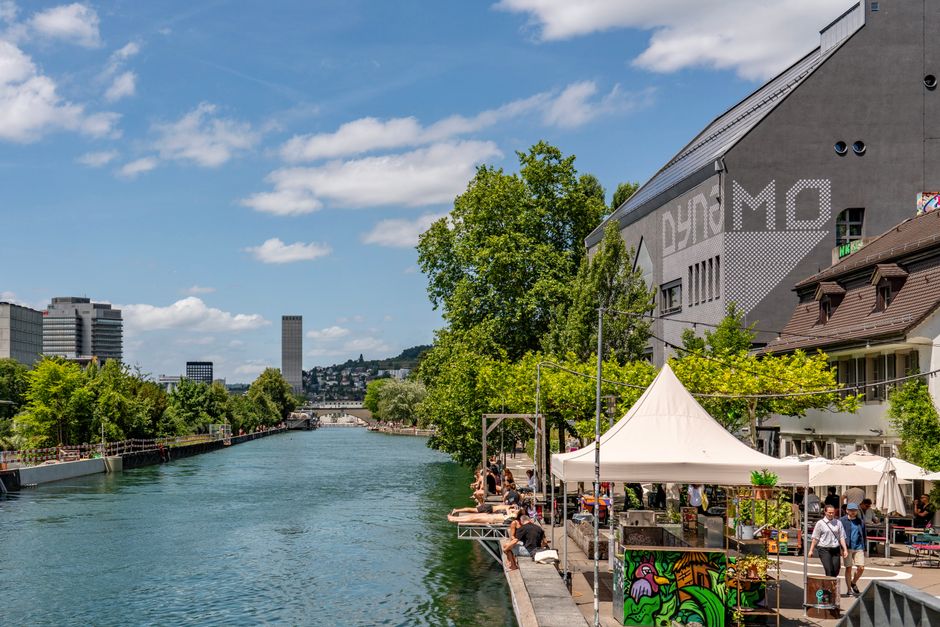
Walk through Zurich's Industriequartier today and you'll find art galleries, design studios, and trendy restaurants occupying former factory spaces. But few visitors know the story of how this neighbourhood—and the broader cultural identity of Switzerland's largest city—was forged by a determined generation of cultural rebels.
In the 1980s, Zurich's industrial west side became the unlikely epicentre of a youth movement that would redefine Swiss culture. The Autonome movement, centred around squatted buildings and self-managed cultural spaces, challenged the city's buttoned-up bourgeois reputation. Venues like the Rote Fabrik, established in 1980 as a worker cooperative in a converted textile factory on Seestrasse, became legendary hubs for punk, electronic music, and experimental theatre.
What made this scene remarkable wasn't just the music or art—it was the deliberate, democratic infrastructure these communities built. The Rote Fabrik operated as a non-hierarchical collective, with hundreds of volunteers managing everything from technical production to childcare. Admission prices were kept deliberately low; a concert might cost 15–20 Swiss francs (roughly €16–21 today), ensuring access across class lines. This ethos spread. By the mid-1980s, over 40 self-managed cultural spaces operated across Zurich, many in squatted buildings.
The city's response was initially hostile. The 1980 riots during Zurich's June festival exposed deep generational tensions. Yet rather than disappear, the movement became institutionalised—not through compromise, but through relentless organising. Activists secured legal status for key venues. The Rote Fabrik was formally legalised in 1990 after years of negotiation, transforming what could have been a temporary occupation into a permanent cultural institution.
Today, the Rote Fabrik remains Switzerland's oldest independent cultural centre, hosting over 300 events annually across its cinema, concert hall, and exhibition spaces. Its model has become a template for cultural democratisation across Europe. Yet the story of how Zurich's scene was built—through the labour of thousands of unnamed volunteers, squatters, and visionaries—remains underappreciated in mainstream accounts of Swiss cultural history.
Current director and longtime volunteers emphasise that this heritage isn't mere nostalgia. The principles of accessibility, collective decision-making, and cultural resistance continue shaping how Zurich thinks about public space. As the city grapples with gentrification pressures threatening its remaining working-class neighbourhoods, the story of how an earlier generation fought to create democratic cultural spaces has new resonance. Understanding who built this scene—and how—matters for what Zurich becomes next.
This article was compiled by AI from the sources linked above and screened before publishing. See our editorial standards.