Zurich's Street Art Wars: Why the City's Graffiti Scene Is Dividing Neighbourhoods
As muralists and city planners clash over the future of creative districts, Wiedikon and Aussersihl have become unexpected battlegrounds for artistic freedom.
As muralists and city planners clash over the future of creative districts, Wiedikon and Aussersihl have become unexpected battlegrounds for artistic freedom.
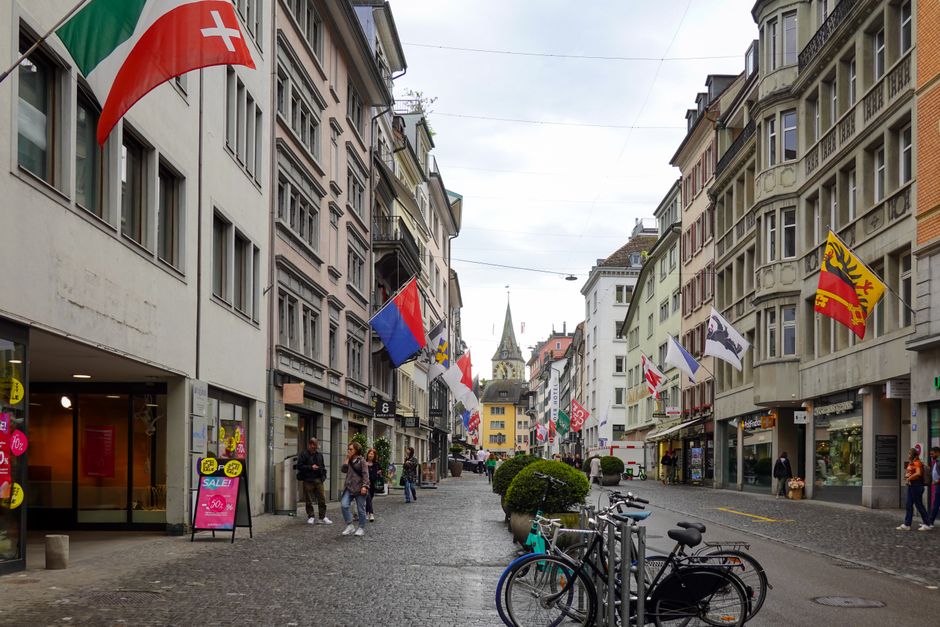
Walk along Langstrasse in Aussersihl on any given Tuesday, and you'll notice something that wasn't there last week: a freshly painted mural spanning three storeys, a collaboratively-designed piece featuring interlocking geometric patterns and quotations in Arabic, German, and Tigrinya. It's part of a quiet revolution reshaping how Zurich thinks about public space, creative expression, and neighbourhood identity.
For years, Zurich's street art scene existed in the margins—tolerated in pockets like Wiedikon, but largely confined to designated walls and regulated spaces. Today, that's changing rapidly. Local artists, property owners, and municipal authorities are negotiating an entirely new relationship with urban creativity. The stakes feel higher because the conversation has shifted from "where is graffiti allowed?" to "how does street art define who we are as a city?"
The flashpoint is real estate. Between 2020 and 2025, Zurich's average apartment rent climbed 18 percent, according to the Immobilien Zeitung. Simultaneously, creative professionals have begun organising collective mural projects as a form of cultural resistance—arguing that street art makes neighbourhoods worth living in, not just worth investing in. Wiedikon, historically the city's bohemian heart, has become ground zero for this tension. What started as informal artist collectives has evolved into structured initiatives like the Weedmaps-style "Zurich Walls" mapping project, which now documents over 140 active muralists and their works.
The Aussersihl district administration recently approved a pilot programme allowing property owners to fast-track mural applications, reducing approval time from twelve weeks to three. It's pragmatic—and controversial. Some residents view it as authentic placemaking; others worry it's sanitising genuine street culture for Instagram aesthetics and property developers.
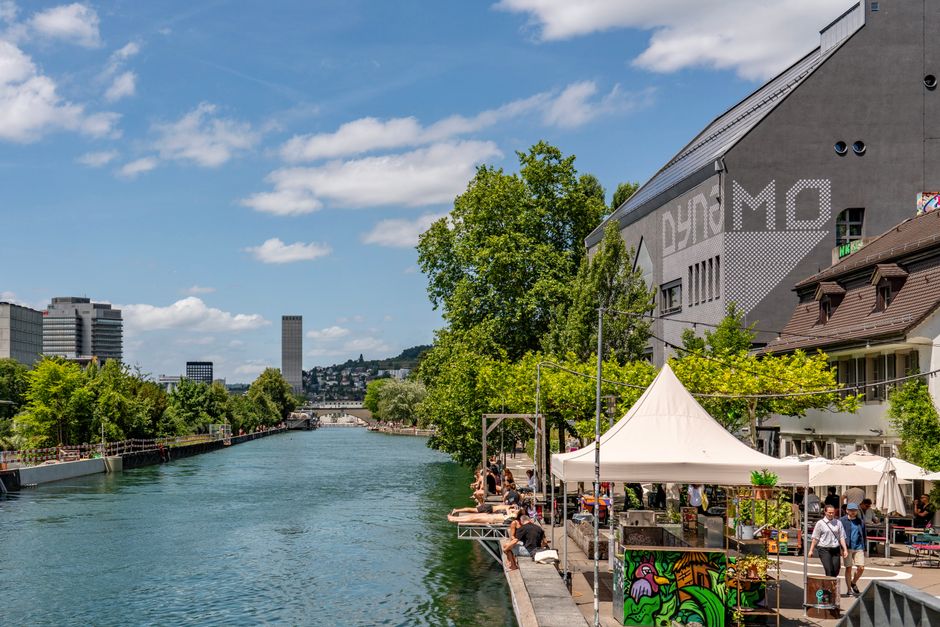
Meanwhile, the Zurich Street Art Collective has begun hosting monthly "wall talks," open conversations at venues like Dynamo in Aussersihl, where artists, neighbours, and politicians discuss the future of public creativity. Attendance has grown from 40 people last November to over 200 this month.
What's making locals talk isn't the art itself—it's what the art represents. In a city known for precision, order, and wealth, street art has become a visible marker of who gets to shape urban culture. As Zurich reshapes itself, these murals are far more than decoration. They're a question the city is asking itself: do we want to stay frozen, or evolve?
This article was compiled by AI from the sources linked above and screened before publishing. See our editorial standards.
How does this story make you feel?
Spread the word
About this article
Published by The Daily Zurich
Daily brief
Free, in your inbox before 7am. Weekdays.
More in culture