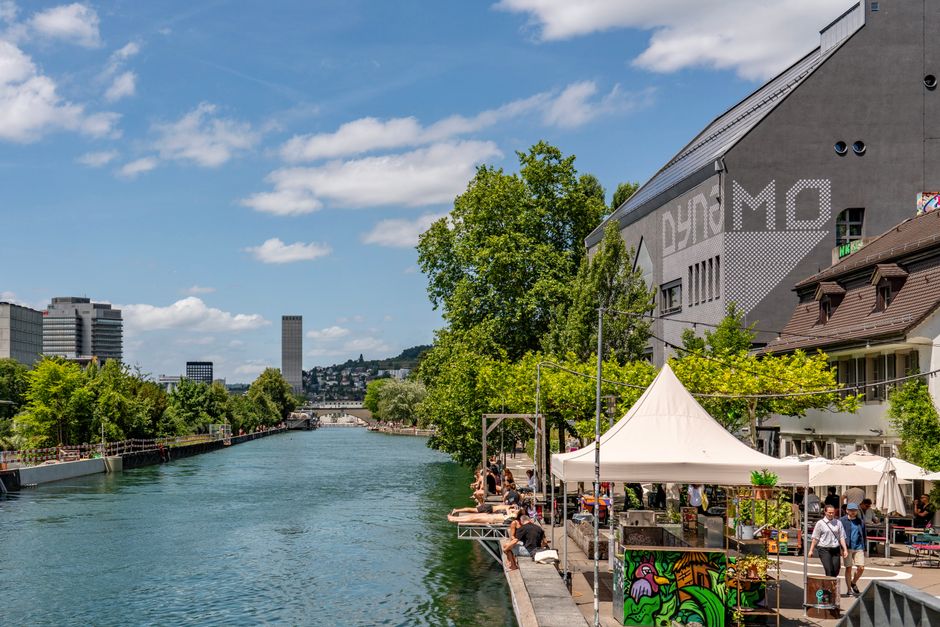
Walk through Zurich's Wiedikon district on any weekend and you'll find yourself amid a quiet cultural revolution. At venues like the Rote Fabrik and smaller neighbourhood spaces along Badenerstrasse, a constellation of grassroots collectives are fundamentally reshaping how the city engages with its own past.
These aren't your typical museum gatekeepers. Instead, volunteers and cultural workers—many under 35—are organising exhibitions, archive projects and public discussions that explicitly centre voices historically marginalised from Zurich's official heritage narrative. The shift reflects a broader European trend, but in Zurich, where per-capita wealth and institutional conservatism have long dominated cultural discourse, the movement feels particularly significant.
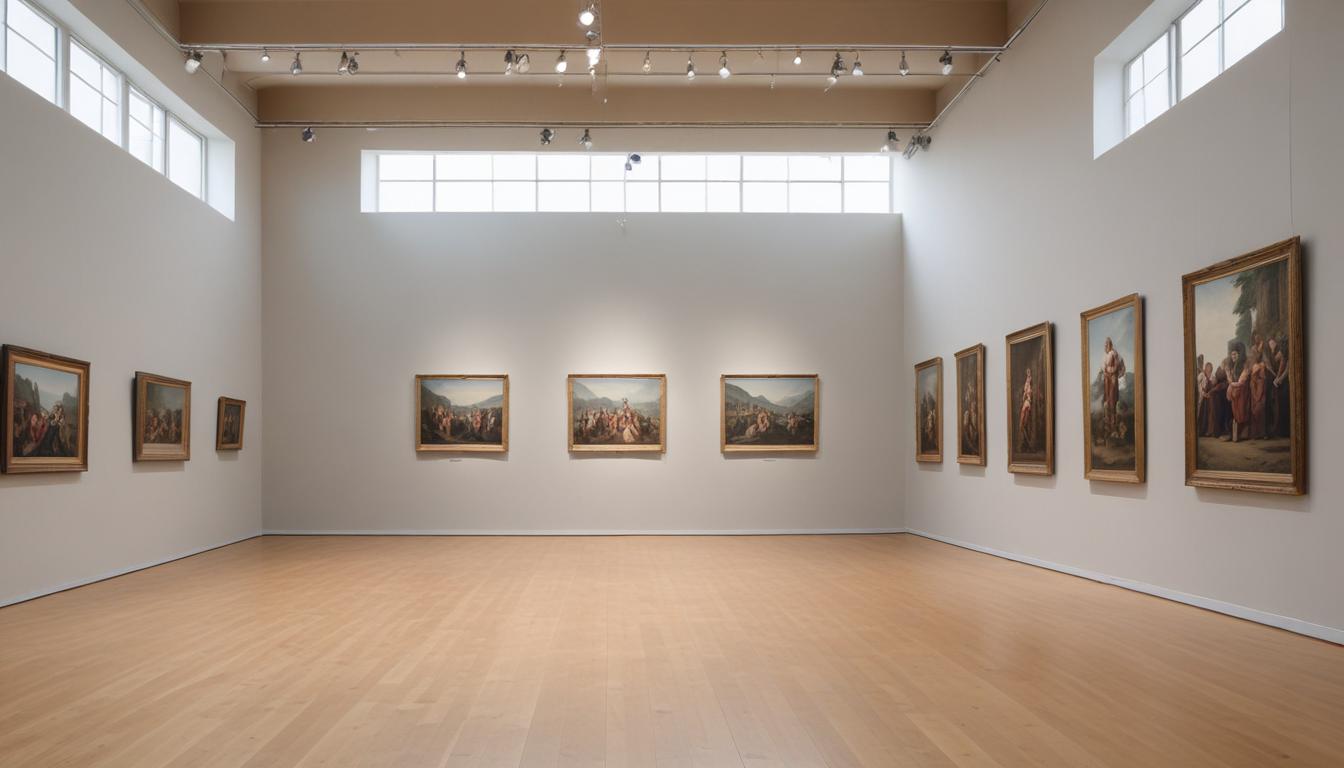
"We noticed the city's museums told one story," explains the curatorial collective behind a recent project examining migrant labour in Zurich's 1970s manufacturing sector. Rather than demand access to institutional resources, they organised their own exhibition space using municipal venues available at subsidised rates—typically CHF 800-1,200 per day. The model has since inspired similar initiatives across Altstetten and Aussersihl.
Data tells part of the story. According to Zurich's statistical office, the city's population is now 35 per cent foreign-born, yet traditional heritage narratives have been slow to reflect this demographic reality. This gap created space for independent researchers, oral historians and community archivists to step in. Organisations like the recently formalised Archive Collective have digitised thousands of personal documents, photographs and recordings from residents whose experiences rarely appear in official histories.
The momentum extends beyond nostalgia. These communities are explicitly framing cultural identity as something participatory and contestable, not fixed. A recent series of walking tours through the Aussersihl neighbourhood—organised by volunteers, donation-based entry—attracted over 800 participants across four weeks, suggesting genuine public appetite for these alternative narratives.
What's particularly notable is how this movement operates outside traditional funding structures. While Zurich's major institutions command budgets in the millions, these collectives thrive on grants between CHF 5,000 and CHF 50,000, supplemented by volunteer labour and creative use of public space. They're not waiting for permission to reshape the conversation about what Zurich's culture actually represents.
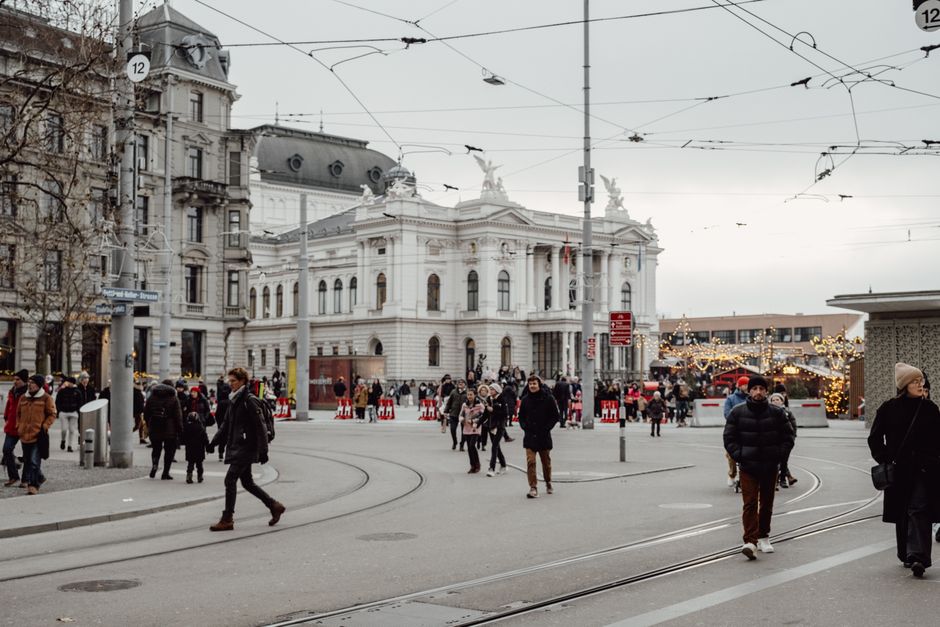
As the city prepares for its 2031 millennium celebrations, these grassroots voices are positioning themselves not as afterthoughts, but as central to how Zurich understands itself. The cultural shift isn't just happening in galleries—it's happening in living rooms, community centres, and along the streets where the city's full story actually unfolds.
This article was compiled by AI from the sources linked above and screened before publishing. See our editorial standards.