Grassroots Collectives Are Reshaping Zurich's Performing Arts Scene
Independent theatre groups and film cooperatives across the city are challenging traditional institutions and building a more accessible cultural landscape.
Independent theatre groups and film cooperatives across the city are challenging traditional institutions and building a more accessible cultural landscape.
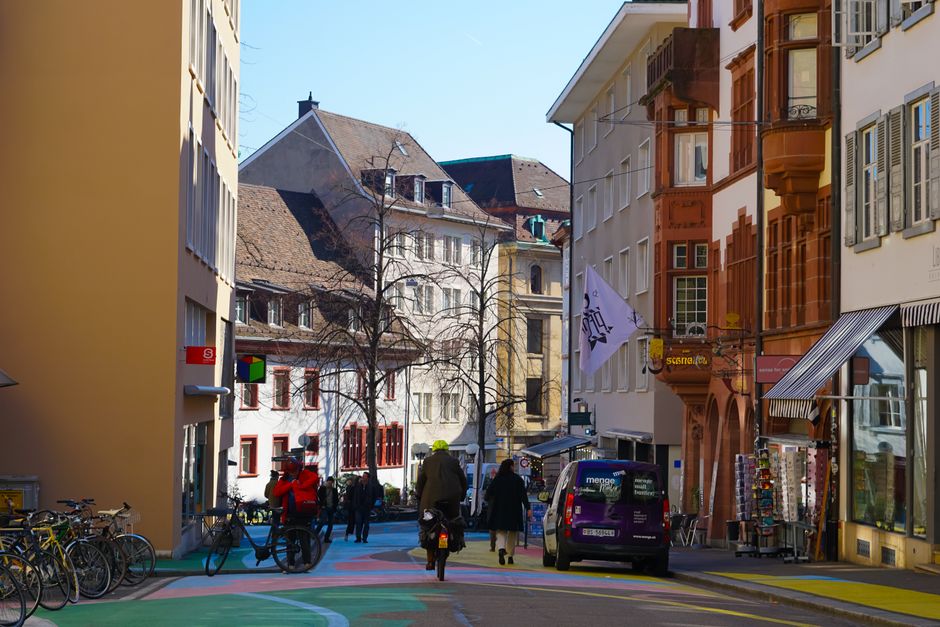
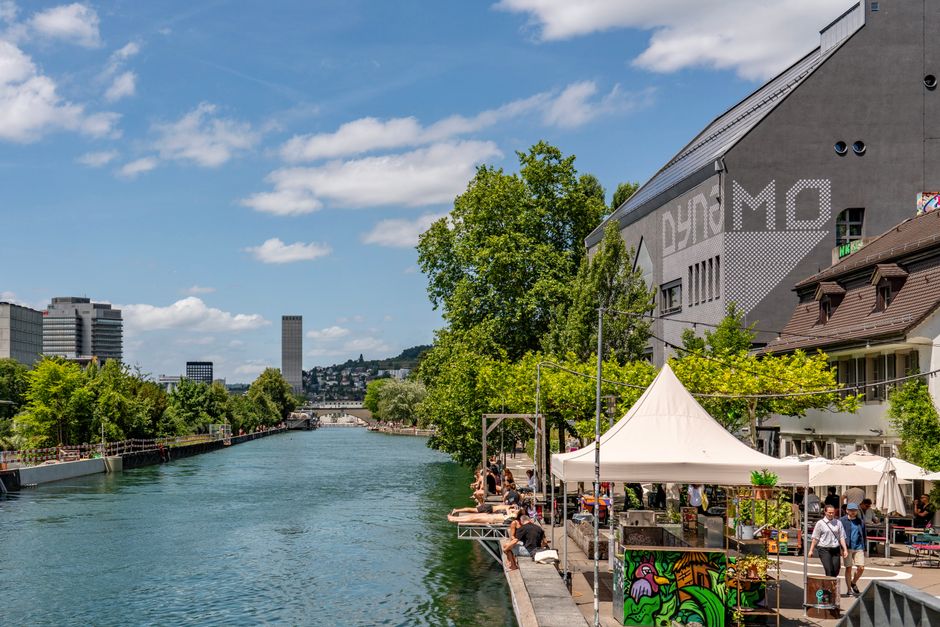
Walk through Zurich's Kreis 4 neighbourhood on any given evening, and you'll find something unexpected: a converted warehouse on Gerbergasse hosting an experimental theatre piece, a community-run film screening in a Wiedikon basement, or a collaborative dance workshop advertised on handmade posters along the Sihl riverfront. This grassroots momentum represents a fundamental shift in how the city's performing arts are created and consumed—one driven not by establishment venues, but by artists and audiences tired of gatekeeping.
The movement has roots in practical necessity. With rental costs in Zurich consistently ranking among Europe's highest, traditional theatre companies face mounting pressure. This has paradoxically sparked innovation. Over the past three years, at least a dozen informal performance collectives have emerged, transforming underutilised spaces in districts like Aussersihl and Wiedikon into cultural hubs. These groups—many operating on shoestring budgets of 5,000–15,000 CHF annually—have proven they can draw crowds willing to pay 15–25 CHF per ticket for experimental work.
The shift extends to film. The rise of neighbourhood screening clubs, particularly around Langstrasse and in the quieter corners of Kreis 5, has created an alternative to multiplex cinemas. These collectives curate independently, often focusing on documentary, international, and queer cinema that mainstream venues overlook. One cooperative reported screening over 40 films annually to audiences averaging 40–60 people per showing—modest numbers that reflect intimate, community-driven programming.
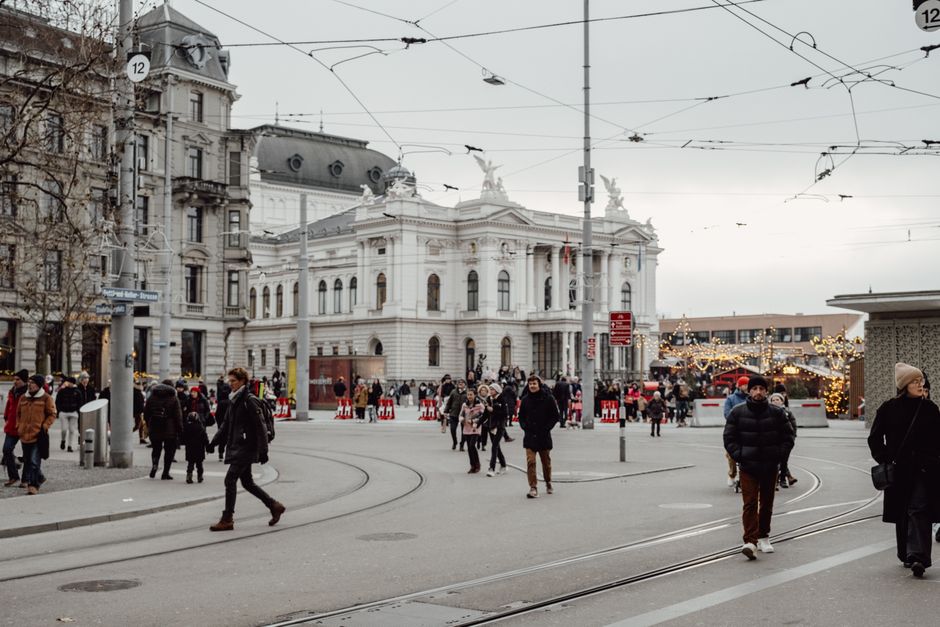
Traditional institutions are taking notice. The Schauspielhaus and Opernhaus, long dominant forces, have begun partnering with emerging collectives rather than competing with them. This collaboration—evident in co-produced shows and shared rehearsal spaces—suggests a broader cultural maturation in the city.
What's driving this? Partly demographic. Zurich's younger creative class, priced out of ownership and increasingly sceptical of top-down cultural institutions, has channelled frustration into self-determination. But there's also something distinctly Zurich about it: a civic culture accustomed to collaboration, local governance, and collective problem-solving has found new expression in the arts.
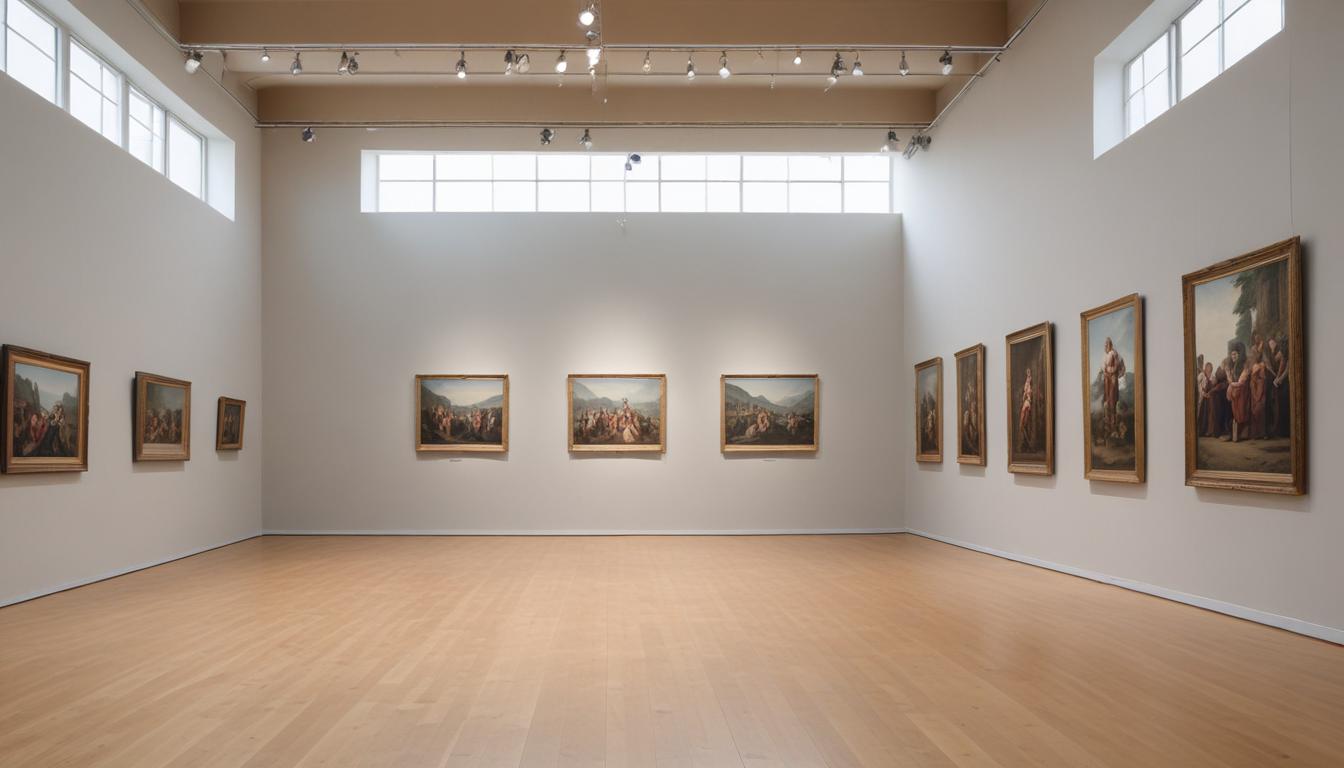
The impact is visible. Exhibition spaces across the city report increased foot traffic. Social media engagement around independent performances rivals that of established venues. Most significantly, audiences report feeling less like consumers and more like participants—a shift that, in a city often criticised for cultural formality, carries genuine weight.
Whether this momentum sustains depends on practical factors: stable access to affordable spaces, sustainable funding models, and continued willingness from established players to share platforms. But for now, Zurich's performing arts scene is experiencing something rare—genuine cultural renewal from below.
This article was compiled by AI from the sources linked above and screened before publishing. See our editorial standards.
How does this story make you feel?
Spread the word
About this article
Published by The Daily Zurich
Daily brief
Free, in your inbox before 7am. Weekdays.
More in culture