From Textile Mills to Global Runways: How Zurich Built Its Fashion Empire
The city's creative industries have transformed from industrial heritage to a thriving design hub that rivals Europe's fashion capitals.
The city's creative industries have transformed from industrial heritage to a thriving design hub that rivals Europe's fashion capitals.
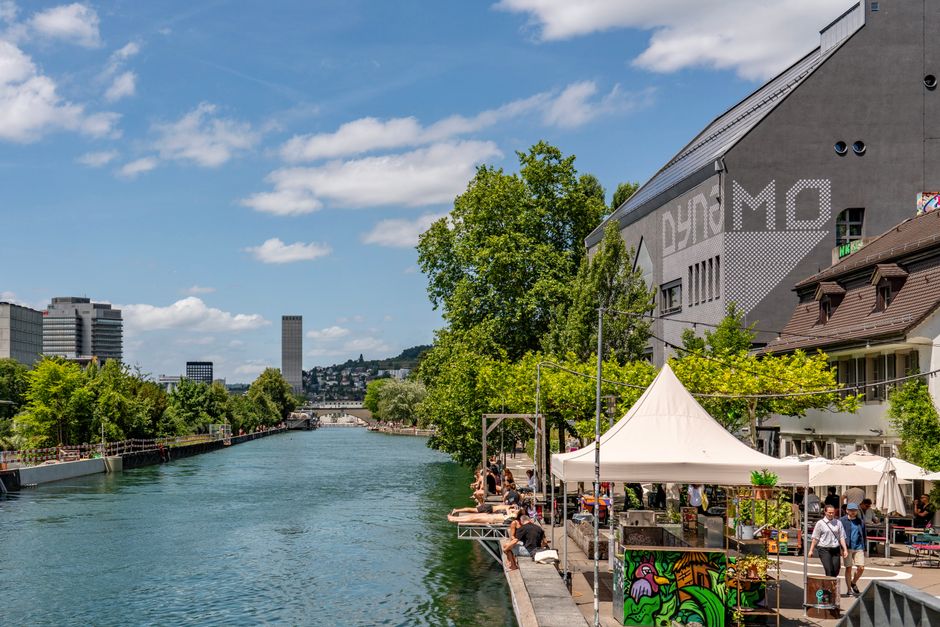
Zurich's fashion story begins not on catwalks, but in the thundering textile mills that once defined the Zurich-West district. By the 1920s, the city had established itself as a global centre for silk production and fabric innovation—a legacy that would quietly shape everything that came after. Today, as you walk through the gentrified lofts and galleries around Hardbrücke and Technikumstrasse, that industrial DNA still pulses beneath the surface.
The shift from manufacturing to design accelerated dramatically in the 1990s and 2000s. The Zurich Fashion Days, established in 2007, transformed a modest trade show into one of Europe's premier platforms for emerging and established designers. What began as a regional initiative has grown into a biannual event drawing over 4,000 industry professionals and attracting international media attention. The economic impact has been substantial: Switzerland's fashion and luxury goods sector now generates approximately 15 billion Swiss francs annually, with Zurich accounting for a significant portion of both design innovation and business operations.
The city's creative neighbourhoods tell their own story. In recent years, Aussersihl and the Europaallee precinct have become incubators for independent designers and boutique studios. Spaces like the Zurich Design Hub, established in the renovated industrial areas near Wiedikon, offer affordable studio real estate and collaborative facilities for young creatives—a crucial infrastructure that major fashion cities like Milan and Paris have long dominated. Monthly rents for shared design studios range from 800 to 1,200 francs, significantly lower than comparable spaces in Geneva or Basel.
What distinguishes Zurich's scene is not imitation of Paris or Milan, but rather a distinctly Swiss sensibility: precision craftsmanship, sustainable practices, and understated elegance. Brands emerging from the city increasingly emphasize ethical production and material innovation. This alignment with Switzerland's broader reputation for quality and responsibility has proven commercially astute, particularly as luxury consumers increasingly scrutinize supply chains and environmental impact.
Educational institutions have played a foundational role. The Zurich University of Teacher Education and the School of Design Zurich have produced generations of designers now working internationally. The proximity of luxury goods companies headquartered in the region—from watchmakers to jewellers—has also created a talent pipeline and mentorship ecosystem unique among European cities.
As global fashion grapples with overproduction and waste, Zurich is positioning itself at the intersection of heritage craftsmanship and progressive design thinking. The city's creative industries are no longer a footnote to its financial sector—they represent a sophisticated evolution of what made Zurich relevant a century ago.
This article was compiled by AI from the sources linked above and screened before publishing. See our editorial standards.
How does this story make you feel?
Spread the word
About this article
Published by The Daily Zurich
Daily brief
Free, in your inbox before 7am. Weekdays.
More in culture