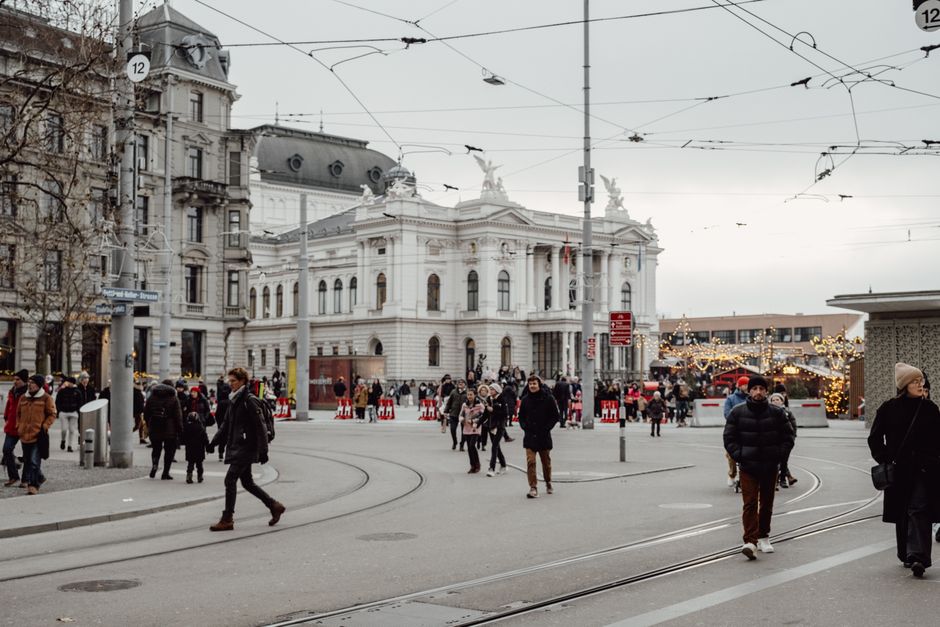
Walk through Zurich's Altstadt on any given evening, and you'll encounter layers of theatrical history beneath your feet. The Schauspielhaus on Rämistrasse, opened in 1891, remains the cultural anchor it has been for generations—yet the journey from that grand neoclassical stage to today's diversified performing arts scene tells a story of constant reinvention.
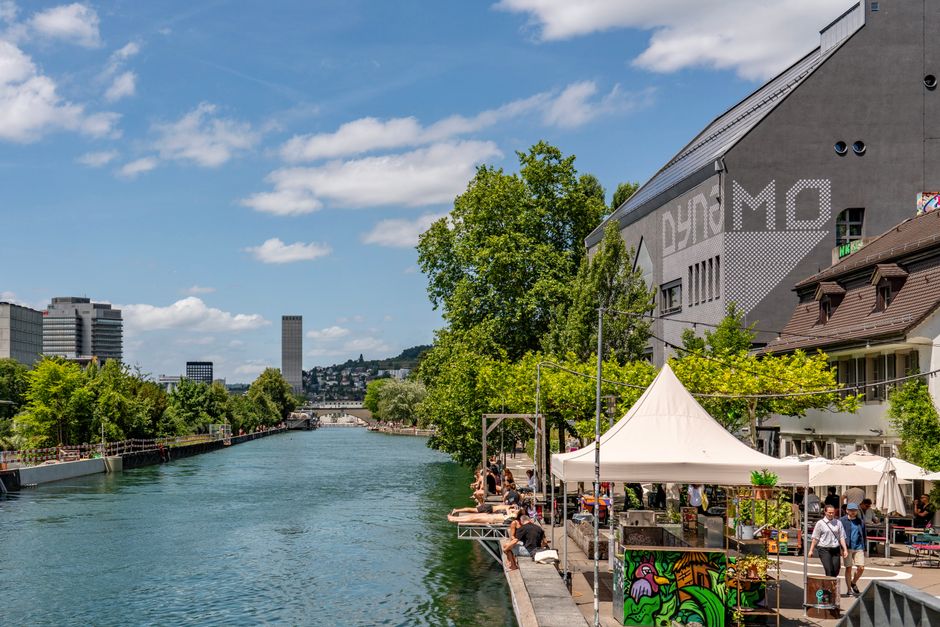
For decades, theatre in Zurich clustered around a handful of prestigious institutions. The Schauspielhaus dominated German-language drama, while smaller venues like the Kino Xenix on Kanzleistrasse served niche audiences. But the real shift came in the 1980s and 1990s, when younger artists, inspired by European experimental movements, began colonizing former industrial spaces in Wiedikon and the Aussersihl district. The Rote Fabrik, a converted textile factory, became a crucible for avant-garde performance and remains a beacon for experimental work today.
This decentralization reflected broader changes in who felt welcome in Zurich's culture. Where the Schauspielhaus once catered to the city's wealthy elites, neighbourhood theatres and independent collectives brought performing arts to working-class districts. Venues like Tanzhaus Zurich on Förrlibuckstrasse democratized access to contemporary dance, while smaller black-box theatres proliferated across the city's outer rings.
The digital era has accelerated transformation further. Post-pandemic, Zurich's theatre ecosystem became increasingly hybrid. Ticket prices at major venues—typically 40–120 Swiss francs for Schauspielhaus productions—remain steep, yet streaming and pay-what-you-can performances have widened reach. Organizations like Gessnerallee, an artist-run venue in Aussersihl, pioneered flexible pricing models that have since been adopted citywide.
Today, Zurich supports over 15 major performance spaces and dozens of independent groups. The Opernhaus continues its operatic traditions, while the Zürich Film Festival, established in 1988, has grown into a 200,000-visitor annual event. Theatre companies like Milo Rau's International Institute of Political Theatre push boundaries, while traditional venues maintain their classical repertoires.
What distinguishes Zurich's evolution is this coexistence—heritage institutions and grassroots experimentalism thrive simultaneously. The city's performing arts scene no longer pivots on a single pillar, but rather on a distributed network of venues, companies, and audiences scattered across neighbourhoods. That pluralism, earned through decades of creative risk-taking and institutional openness, is Zurich's true cultural legacy.
This article was compiled by AI from the sources linked above and screened before publishing. See our editorial standards.