Zurich's Restaurant Scene is Shifting East: Why the Wiedikon Corridor is Suddenly Where Everyone Wants to Eat
As rents soar in the Altstadt, a generation of chefs is reshaping Zurich's food culture in the city's formerly overlooked neighbourhoods.
As rents soar in the Altstadt, a generation of chefs is reshaping Zurich's food culture in the city's formerly overlooked neighbourhoods.
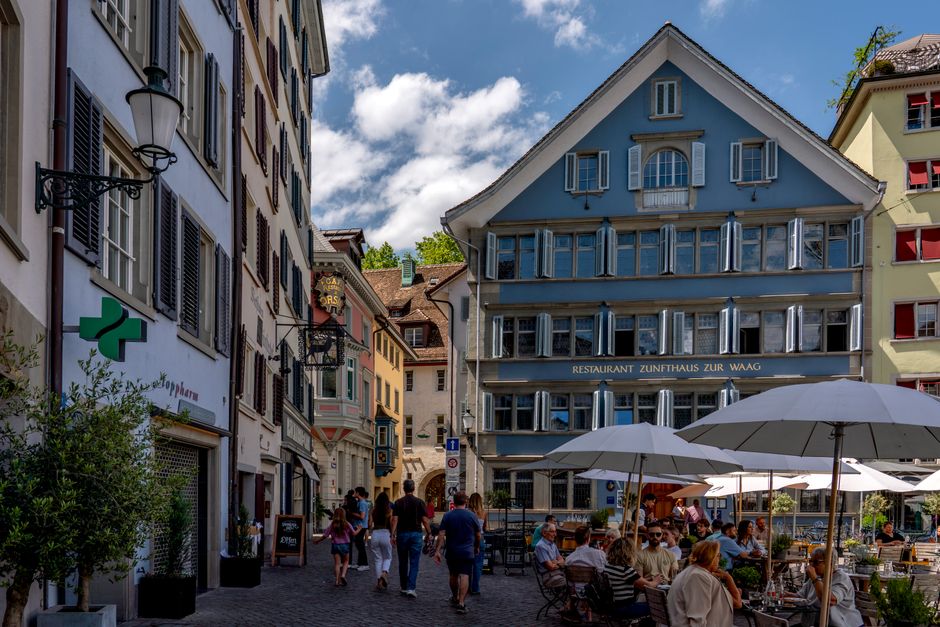
Walk along Badenerstrasse in Wiedikon on a Friday night and you'll find yourself queuing outside restaurants that didn't exist two years ago. This is the story locals are living right now—a quiet but unmistakable shift in where Zurich eats, drinks, and gathers. The city's culinary establishment, long dominated by the Altstadt's high-ceilinged establishments and lake-view venues, is being rewritten by chefs and entrepreneurs priced out of tradition.
The numbers tell part of the story. Commercial rents in Zurich's central districts have risen 23 percent since 2023, making the Altstadt increasingly inaccessible for new ventures. Meanwhile, neighborhoods like Wiedikon, Aussersihl, and even parts of Altstetten have seen independent restaurants and wine bars multiply. These aren't pop-ups or food hall concepts—they're permanent establishments with serious culinary ambition.
What's driving conversation is not just the demographic shift but the philosophy behind it. These new venues are deliberately rejecting Zurich's historical formality. You'll find natural wine bars operating without reservations systems, casual lunch spots serving elevated versions of Swiss classics at CHF 18-24, and late-night dining spaces that prioritize accessibility over prestige. On Militärstrasse and around Helvetiaplatz, a cluster of venues has emerged that feels genuinely experimental—collaborations between chefs, rotating guest appearances, and menus that reflect global influences without performative trendiness.
The Wiedikon corridor particularly has become a testing ground. Three new establishments opened between April and June alone, each operating on different models: one focuses exclusively on natural and biodynamic wines; another specializes in sustainable fish sourcing; a third combines a café operation with late-night small plates. Locals report booking tables at these venues weeks in advance, a phenomenon that would have seemed unlikely here eighteen months ago.
There's also a generational story embedded in this shift. Many of these chefs spent years working in established Zurich institutions or trained abroad and returned with different assumptions about what a restaurant should be. They're choosing neighborhoods where they can take risks, where failure feels survivable, and where community relationships matter more than guidebook prominence.
What Zurich is experiencing isn't uncommon in European cities—but it represents a genuine rupture in how this city has understood its own food culture. The conversation at dinner tables across Zurich right now isn't about which Michelin-starred establishment to visit, but which neighborhood's next. That's genuinely new here. The east is no longer periphery.
This article was compiled by AI from the sources linked above and screened before publishing. See our editorial standards.
How does this story make you feel?
Spread the word
About this article
Published by The Daily Zurich
Daily brief
Free, in your inbox before 7am. Weekdays.
More in culture