Zurich's reputation as a conservative financial hub masks a thriving street art scene that has quietly transformed entire neighbourhoods over the past decade. What began as illegal tagging in the 1990s has evolved into a legitimised creative movement, with the city now supporting public murals and artist collectives that draw visitors from across Europe.
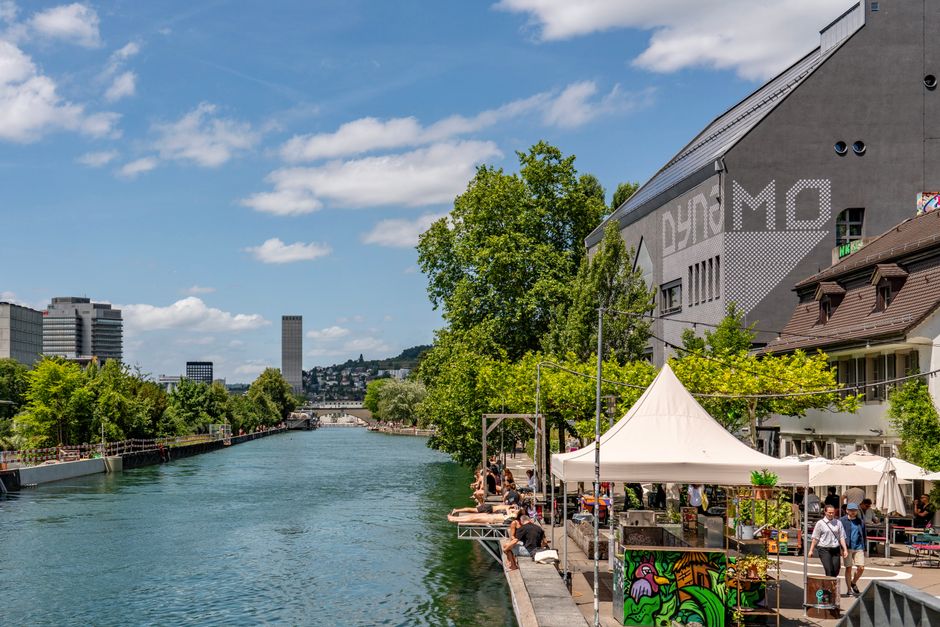
The epicentre of this transformation is Wiedikon, a formerly industrial district in Zurich 3 where artists have converted grey warehouse walls into an open-air gallery. The neighbourhood's main artery, Militärstrasse, now hosts murals by international names like Blu and local legends such as Walter Fischer. Most pieces remain free to view, and weekend foot traffic has doubled since 2019. Many visitors combine a Wiedikon walk with stops at independent cafes and vintage shops that have sprouted alongside the art—expect to spend 2–3 hours here.
Zurich West, around the former industrial area near Hardbrücke, offers a sleeker aesthetic. Here, street art intertwines with design studios, galleries, and the Museum of Fine Arts. The district hosts the annual Zurich Street Art Festival each September, though permanent installations by artists including Tages-Anzeiger and independent collectives remain visible year-round. Entry to most public spaces is free; gallery exhibitions typically cost CHF 10–18.
For a guided experience, Freiraum Zürich, a non-profit collective founded in 2015, organises curated walking tours (CHF 25–40 per person) that explain the socio-political context behind major works. Tours typically run weekends and can be booked via their website.
The Allianz Suisse Kunsthalle in Wiedikon occasionally features street artists in formal exhibitions, bridging underground and institutional spaces. Check their schedule—entry is free to the courtyard installations.
Practical notes: public transport (Tram 8 or 9) reaches both neighbourhoods cheaply; a 24-hour pass costs CHF 9. Bring a camera, but ask before photographing artists at work. Street art here remains politically charged—murals addressing refugee rights, climate change, and economic inequality coexist with purely aesthetic works. This tension is precisely what makes Zurich's scene distinct from sanitised corporate street art elsewhere.
June through September offers the best conditions for exploring; winter murals may be obscured by scaffolding or repainting. Budget 4–6 hours for a comprehensive visit to both districts, and expect to spend CHF 50–80 on refreshments and entry fees.
This article was compiled by AI from the sources linked above and screened before publishing. See our editorial standards.