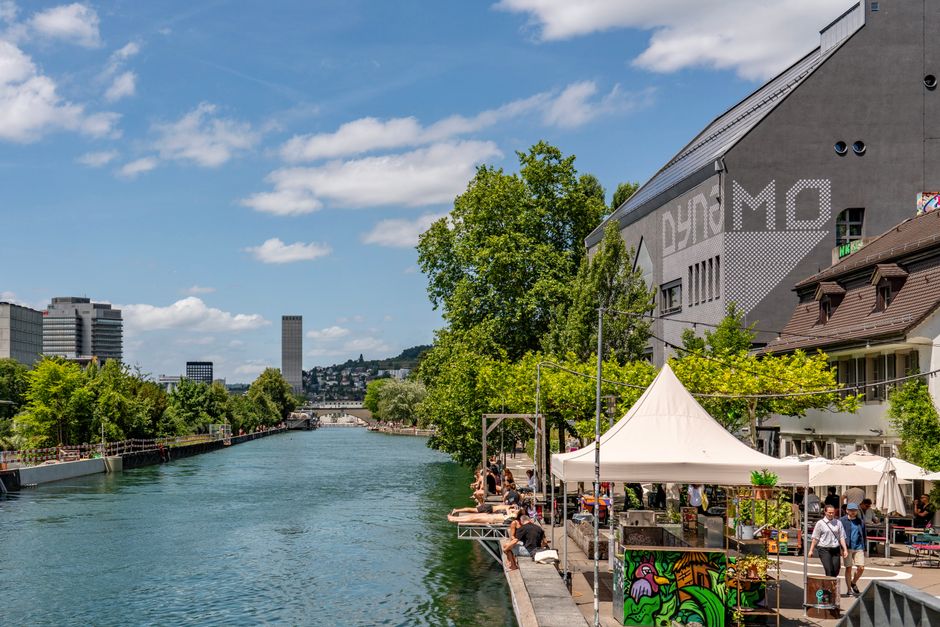
Walk past the converted industrial spaces along Geroldstrasse on any Friday night, and you'll hear it: the unmistakable hum of Zurich's underground music renaissance. What started three years ago as scattered warehouse sessions has crystallized into a genuine ecosystem of emerging talent, with venues like Zukunft and Rohstoff now regularly hosting sold-out shows featuring artists who, just two years ago, were performing to dozens rather than hundreds.
The shift reflects a broader hunger among Zurich's music-going public. According to data from the Association of Swiss Concert Halls, ticket sales for emerging acts at venues under 500 capacity have grown 34 percent since 2023, even as attendance at larger stadium events has plateaued. "We're seeing audiences actively seek out discovery," says the programming director of Exil, the Langstrasse institution that has become a de facto launching pad for artists in their first album cycle.
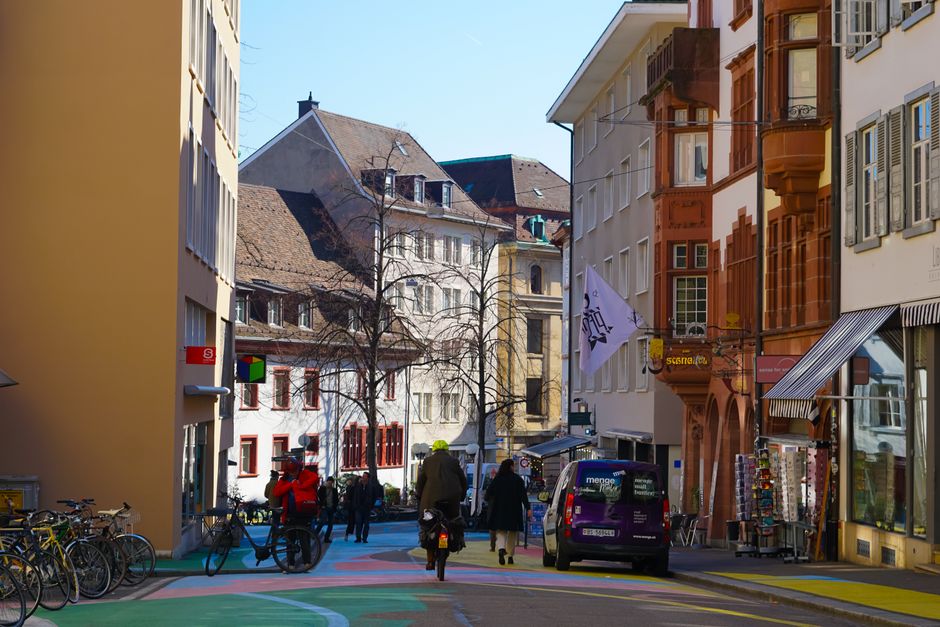
The geographic epicentre matters. Beyond the well-trodden paths of the Kunsthaus and Tonhalle, neighbourhoods like Wiedikon and Aussersihl have become incubators. Kleintheater Kanzlei, tucked into a side street near Bellevue, now programmes three nights weekly focused on Swiss and regional European artists—ticket prices hovering around 20–30 francs, deliberately kept accessible. The venue's booking strategy explicitly favours musicians within their first five years of recording.
What distinguishes this wave is its refusal of a single aesthetic. Electronic producers share billing with folk-inflected singer-songwriters; post-punk revivalists play alongside jazz experimentalists. Geneva-based collectives have begun regular residencies; Basel electronic musicians tour the circuit with the frequency once reserved for established acts. The common thread isn't genre but a certain hunger—a willingness to develop craft in public, album by album.
The venues themselves reflect this momentum. Collaboration between independent promoters has expanded programming without requiring massive capital investment. The Kunsthalle's emerging artist series, launched in partnership with local radio station Couleur 3, has become surprisingly influential, with several featured musicians subsequently landing international festival invitations.
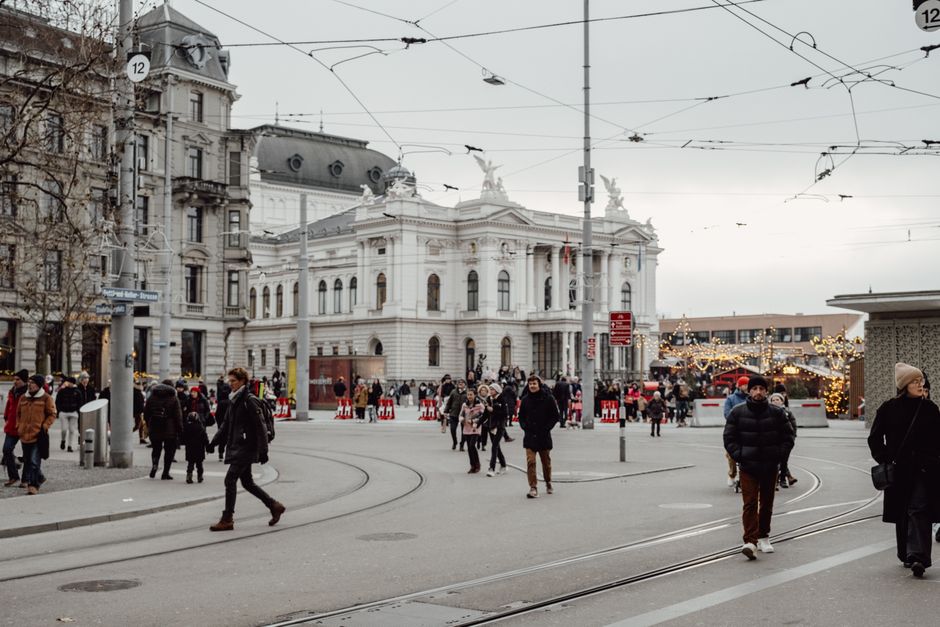
For Zurich's cultural infrastructure, the implications are significant. The city's identity as a wealthy but culturally conservative financial hub is quietly being rewritten, one intimate show at a time. The artists performing in these spaces now—many of whom have never played the Hallenstadion—represent the city's next generation of cultural ambassadors. And judging by the crowds gathering in Langstrasse basements and Wiedikon side rooms, audiences have already decided: they're worth watching.
This article was compiled by AI from the sources linked above and screened before publishing. See our editorial standards.