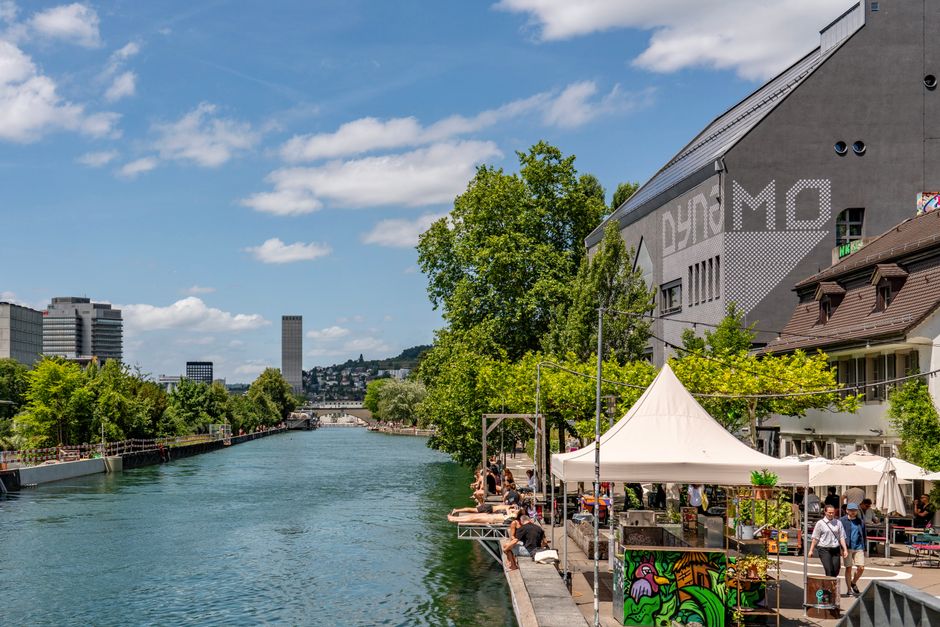
Walk along the Limmat right now and you'll witness something that would have seemed improbable two decades ago: Zurich is no longer defined primarily by its reserve, its precision, its reputation as a buttoned-up financial powerhouse. Instead, the city is increasingly recognized through the lens of its festivals—a summer calendar so densely packed with creative events that it has become the primary expression of civic identity.
This shift became unmistakable this month as Zurich Loves You wrapped its tenth edition in Zurichberg, drawing over 50,000 visitors to an event that barely existed a generation ago. The festival's success—combining music, theatre, and visual art across meadows and forest clearings—signals something deeper than mere entertainment programming. It reflects a deliberate repositioning of how Zurich understands itself culturally.
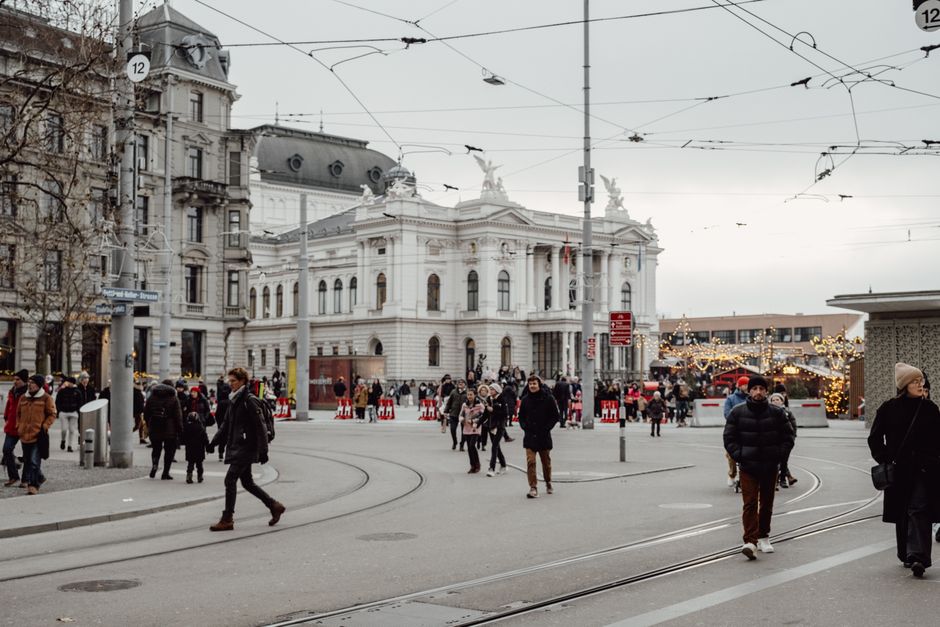
"The festivals are the city's new front door," explains the programming philosophy evident across venues from Kaufleuten in the Europaallee to smaller neighbourhood spaces in Wiedikon and Altstetten. Unlike the legacy of grand institutions—the Zurich Opera House on the Bahnhofstrasse, the Kunsthaus—these events operate differently. They're provisional, democratic, accessible. Street Parade, which returns in August with expected attendance above 700,000, is perhaps the most visible manifestation: a pulsing, unguarded expression of creativity that would have been unimaginable in Zurich's corporate-grey past.
The economics matter too. The Zurich Festival Foundation estimates that summer cultural events generate approximately 140 million Swiss francs in economic impact annually, with visitor spending in restaurants, hotels, and transport infrastructure offsetting municipal subsidies that hover around 8 million francs. But the real value isn't financial—it's symbolic.
What's emerging is a city using festivals to negotiate its identity during a period of global uncertainty. While headlines fixate on geopolitical chaos and humanitarian crises elsewhere, Zurich's cultural calendar functions as a counternarrative: a statement about what the city values when given space to choose. The proliferation of smaller, neighbourhood-based festivals—Drag and Drop LGBTQ+ events in Kreis 4, the Altstetten Music Summer, indie bookfairs in Wiedikon—suggests this isn't top-down cultural management but rather grassroots creative expression that city institutions have learned to amplify.
By autumn, when the festival season subsides, Zurich will have hosted over 200 major cultural events. That density has quietly rewritten the city's narrative. It's no longer the place where money sits; it's where creative energy circulates. In the span of a single summer, Zurich has become a different city—one that understands its future lies not in preserving what it was, but in celebrating what it's becoming.
This article was compiled by AI from the sources linked above and screened before publishing. See our editorial standards.