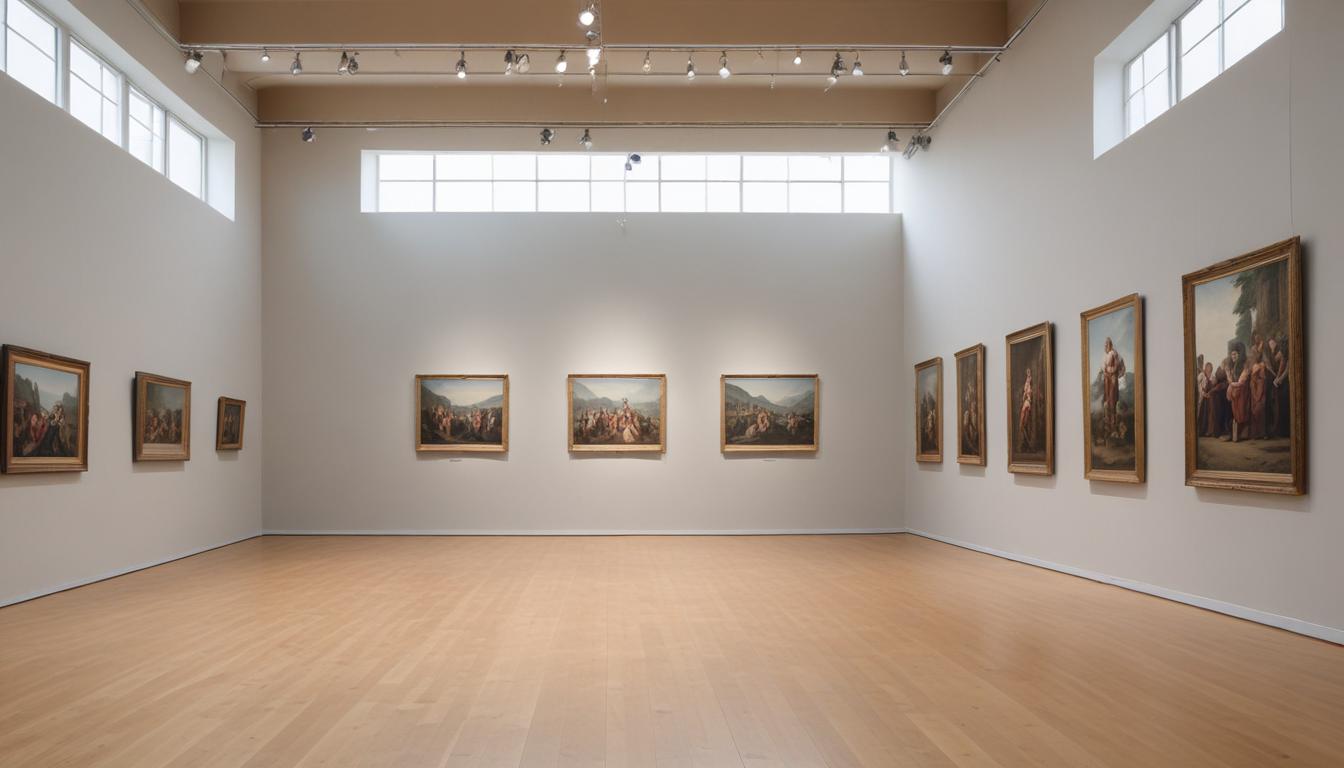
Walk into the Kunsthaus on Heimplatz any given Thursday evening this summer, and you'll encounter a striking shift in who's speaking about Zurich's past. Gone are the days when heritage discourse belonged exclusively to established institutions and grey-haired archivists. Today, emerging curators in their twenties and thirties are fundamentally reimagining how this city understands itself.
The change is palpable in spaces like Kunsthalle Zurich, where a cohort of independent curators has begun steering exhibitions away from canonical narratives. Earlier this year, a self-organised collective based in the Aussersihl district launched a series examining Zurich's often-overlooked immigrant communities through the lens of labour history—a departure from the city's polished, banking-centric self-image. The initiative, operating from a converted workshop on Helvetiastrasse, costs just 15 francs for entry and has drawn crowds that surprise even its organisers.
"Young people aren't waiting for permission anymore," says Nora Keller, a cultural researcher at the University of Zurich's Institute for Cultural Studies, who has been tracking this shift. "They're using social media, informal networks, and grassroots venues to tell stories the mainstream has ignored."
This energy extends beyond visual arts. In the Wiedikon neighbourhood, a network of independent historians and podcasters has begun documenting oral histories of post-war migration to Zurich—stories that rarely appear in official archives. Their work, distributed freely online, has attracted hundreds of listeners across German-speaking Europe. Meanwhile, emerging theatre collectives in the Kreis 5 are devising work that explicitly interrogates Swiss neutrality myths and colonial legacies.
What distinguishes this wave is its refusal of nostalgia. Where previous generations sometimes treated heritage as a museum piece, these emerging voices see it as a living, contested field. They're asking uncomfortable questions: Whose stories made it into the official record? What did Zurich's prosperity actually cost? How do we square the city's liberal self-image with its actual history?
The Municipal Office of Culture has begun responding. In 2025, it allocated an additional 200,000 francs to grassroots heritage initiatives—a modest sum, but symbolically significant. Several emerging curators have secured positions at established institutions, though many deliberately maintain independence, wary of institutional co-option.
As Zurich faces questions about gentrification and cultural homogenisation, this emerging generation is staking a claim: heritage belongs to everyone, and the next chapter of this city's identity will be written by those bold enough to challenge the previous one.
This article was compiled by AI from the sources linked above and screened before publishing. See our editorial standards.