From Underground Raves to Global Calendar: How Zurich's Festival Scene Evolved into a Cultural Powerhouse
Over three decades, the city transformed from a conservative banking hub into a destination that hosts over 2,000 cultural events annually.
Over three decades, the city transformed from a conservative banking hub into a destination that hosts over 2,000 cultural events annually.
In the late 1980s, Zurich's cultural calendar was sparse and formal—a handful of classical concerts, the occasional theatre production, and little else. Today, the city hosts approximately 2,000 cultural events yearly, drawing millions of visitors and positioning itself as one of Europe's most dynamic festival destinations. This transformation tells the story of how a wealthy but culturally conservative city learned to embrace experimentation and creative risk.
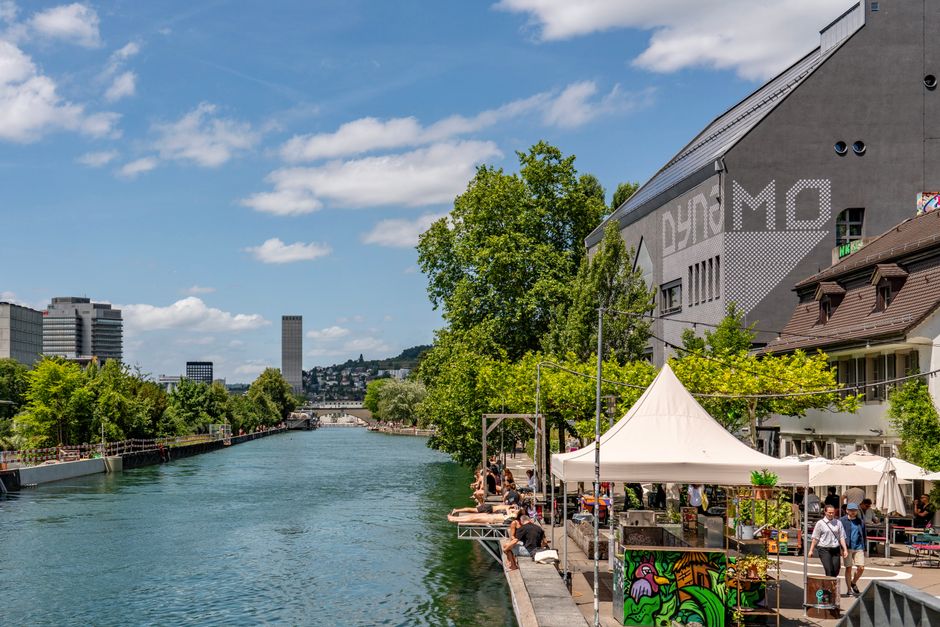
The shift began quietly in the warehouses of Zürich-West, where illegal raves and underground electronic music gatherings emerged in the 1990s. What authorities initially tried to suppress eventually became tolerated, then celebrated. By 2000, venues like the Rohstofflager and smaller clubs along Geroldstrasse had helped establish Zurich's reputation for cutting-edge electronic music—a credential that persists today with events like Zurich Drum Code and the Festival Zurich.
The 2002 opening of the Kaufleuten nightclub and subsequent development of the Hardbrücke neighbourhood marked an institutional turning point. Suddenly, large-scale festivals had proper venues and city support. Zurich's Street Parade, which had grown from modest beginnings, expanded to attract 800,000 visitors annually by the 2010s. The city's business establishment recognized that culture—especially youth-oriented, contemporary culture—was economically valuable.
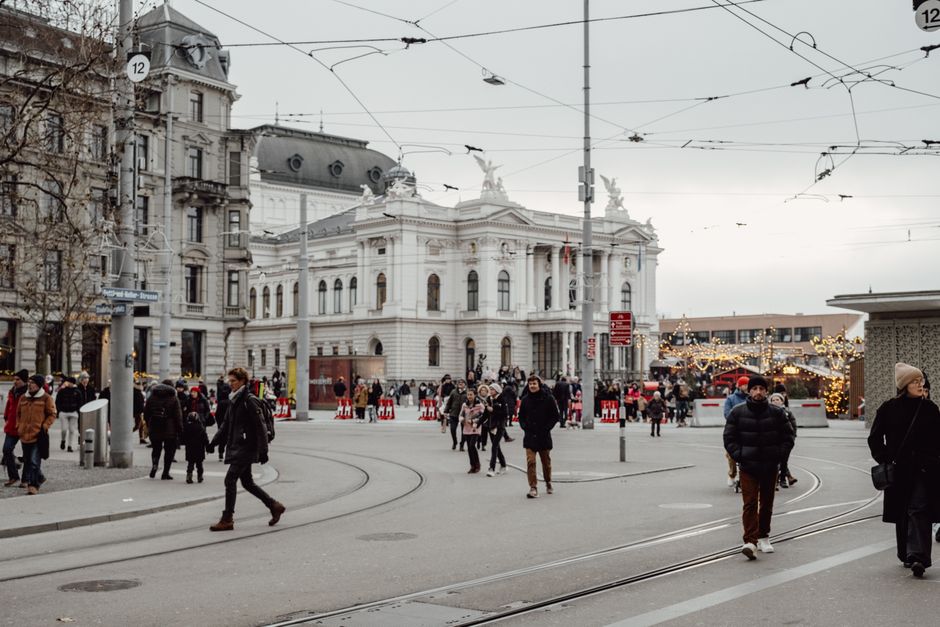
Classical institutions evolved alongside these newcomers. The Zurich Opera House, though founded in 1891, experienced a renaissance under new leadership, while the Tonhalle Orchestra expanded its programming beyond traditional repertoire. By the 2010s, the model had crystallized: prestigious historical venues coexisted with experimental spaces, serving different audiences without territorial conflict.
Today's calendar reflects this layering. Summer brings the Zurich Film Festival (September), which has grown to rival international competitors. Spring features the Zurich Biennale (visual arts), while music spans from the Montreux Jazz Festival's Zurich satellite events to electronica at Dachkanti. Neighbourhood-level programming—weekend markets on Helvetiaplatz, street festivals in Wiedikon—keeps the city vibrant year-round.
The economic numbers are striking: festival tourism generates approximately 600 million Swiss francs annually for the canton. Yet money alone doesn't explain the transformation. What changed was institutional humility—a recognition that culture required permission for failure, investment in emerging talent, and space for the unconventional.
As global instability dominates headlines, Zurich's festival ecosystem offers a counternarrative: that cities can evolve, that tradition and innovation aren't opposites, and that infrastructure for cultural expression strengthens communities. The underground raves of the 1990s have become the sanctioned, celebrated centerpiece of a world-class cultural destination.
This article was compiled by AI from the sources linked above and screened before publishing. See our editorial standards.
How does this story make you feel?
Spread the word
About this article
Published by The Daily Zurich
Daily brief
Free, in your inbox before 7am. Weekdays.
More in culture