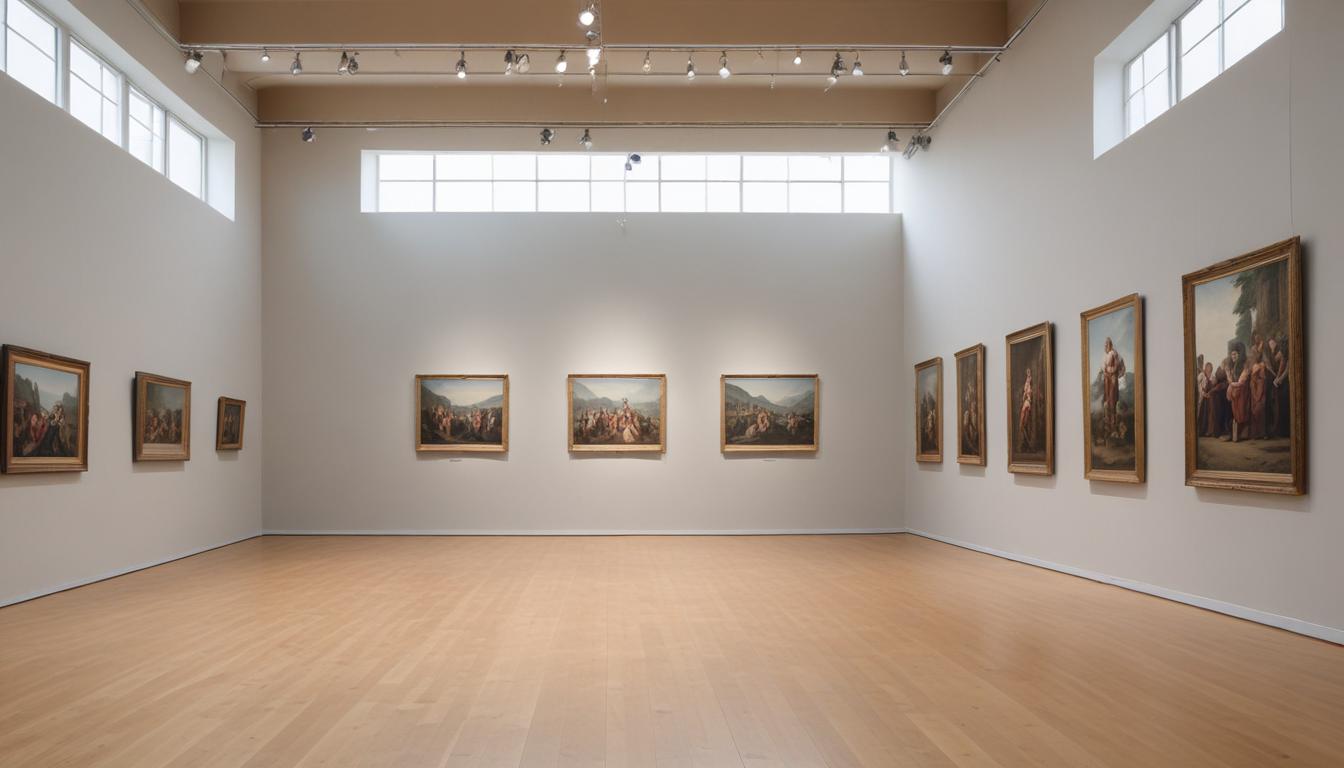
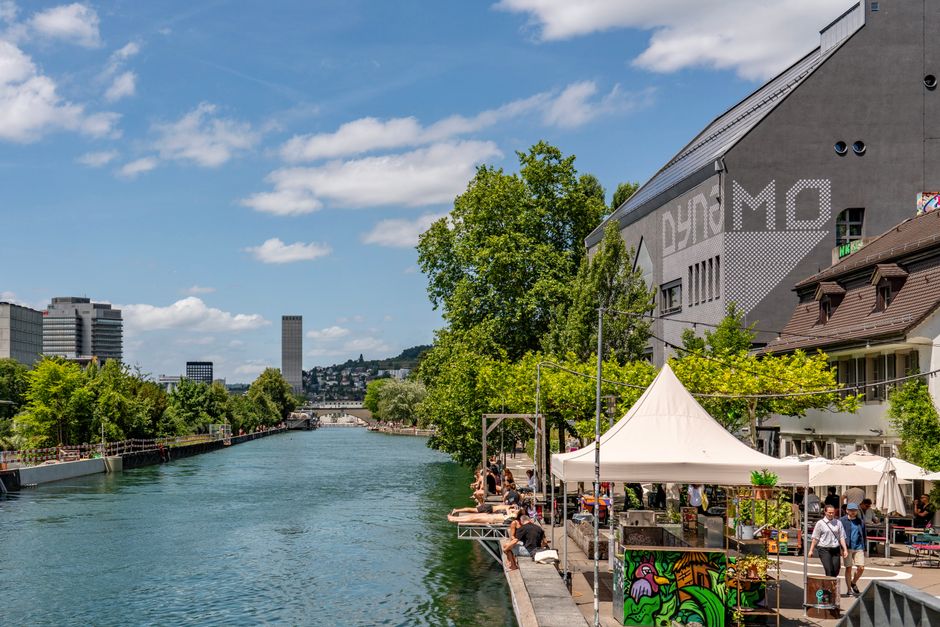
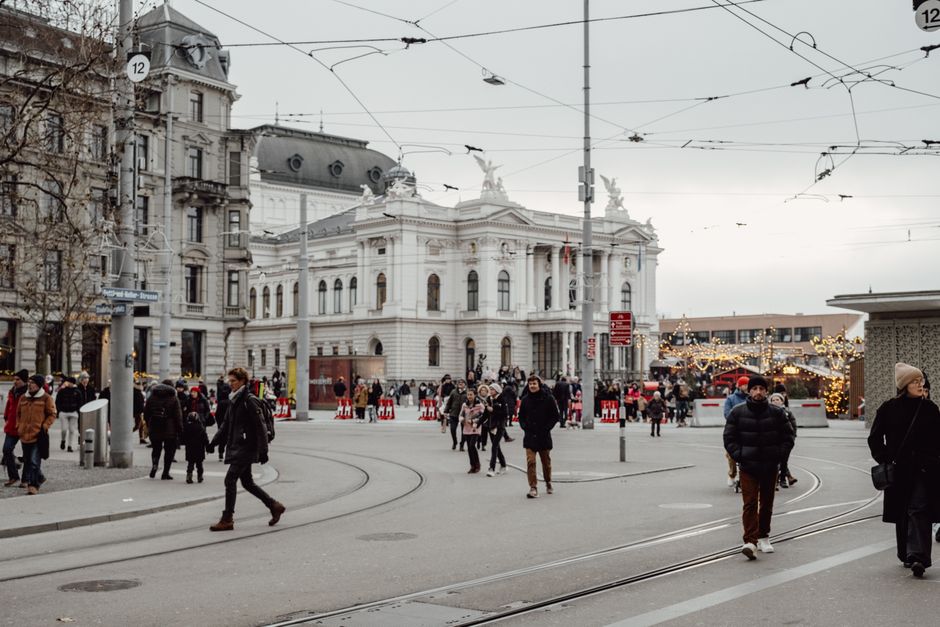
Walk through the narrow streets of Zurich West on any given Friday evening, and you'll encounter a phenomenon that didn't exist two decades ago: gallery-hoppers streaming between artist-run spaces, independent museums, and converted industrial venues. Today's thriving contemporary art scene—which attracts collectors from London, Berlin, and New York—is the product of sustained vision by a relatively small group of cultural entrepreneurs who refused to accept Zurich's reputation as a wealthy but culturally conservative city.
The transformation began in the early 2000s when younger curators and artists, frustrated by the city's establishment institutions, began colonising abandoned factory spaces in Wiedikon and along the Limmat riverfront. These weren't glamorous venues. They were drafty, unheated warehouses where heating costs consumed half a year's operating budget. Yet this constraint bred innovation: curators developed guerrilla marketing strategies, fostered tight-knit artist communities, and created genuine alternatives to the commercial gallery system dominating Bahnhofstrasse.
The ripple effects proved substantial. By 2015, Zurich hosted over 120 commercial galleries and 40+ independent artist-run spaces—a density that rivals cities twice its size. The annual Zurich Contemporary art fair, launched in 2014 by a coalition of these independent operators, now generates an estimated 8-12 million francs in direct economic activity while maintaining strict curatorial standards that reject purely commercial presentations.
Key figures in this movement—many preferring to work behind the scenes rather than seek the spotlight—shared a common belief: that Zurich's financial sector wealth could underwrite genuine artistic risk-taking if presented thoughtfully. They established artist residencies, mentored emerging curators, and created exhibition models that prioritised experimental work over market viability. The Shedhalle in Wiedikon and Kunsthalle Zurich's own evolution toward more adventurous programming directly reflected this pressure from below.
Today's scene remains remarkably collaborative. Gallery owners regularly lend works to competitors' exhibitions. Curators share research and insights openly. This unusual generosity stems directly from the founding generation's belief that Zurich's artistic ecosystem succeeds only when it rises collectively.
The economic crisis of 2008 might have killed this experiment—many independent spaces shuttered temporarily. Instead, it accelerated consolidation around core institutions and created tighter networks. By 2020, when COVID forced galleries online, Zurich's digital infrastructure was already sophisticated, built through years of collaborative problem-solving.
Today's 23-year-old curator launching her first show in a Wiedikon loft inherits this legacy: not a guaranteed market, but a community committed to artistic integrity over profit margins. That inheritance—built painstakingly by predecessors who believed Zurich deserved better—remains the scene's greatest asset.
This article was compiled by AI from the sources linked above and screened before publishing. See our editorial standards.