Walk through the warehouse district of Zurich West on any given Friday evening, and you'll notice something has shifted. The spray cans have multiplied. The wheat-paste installations have grown more conceptually ambitious. And the artists wielding them are no longer chasing permission—they're rewriting the rules of what street art can be in a city often perceived as buttoned-up and conservative.
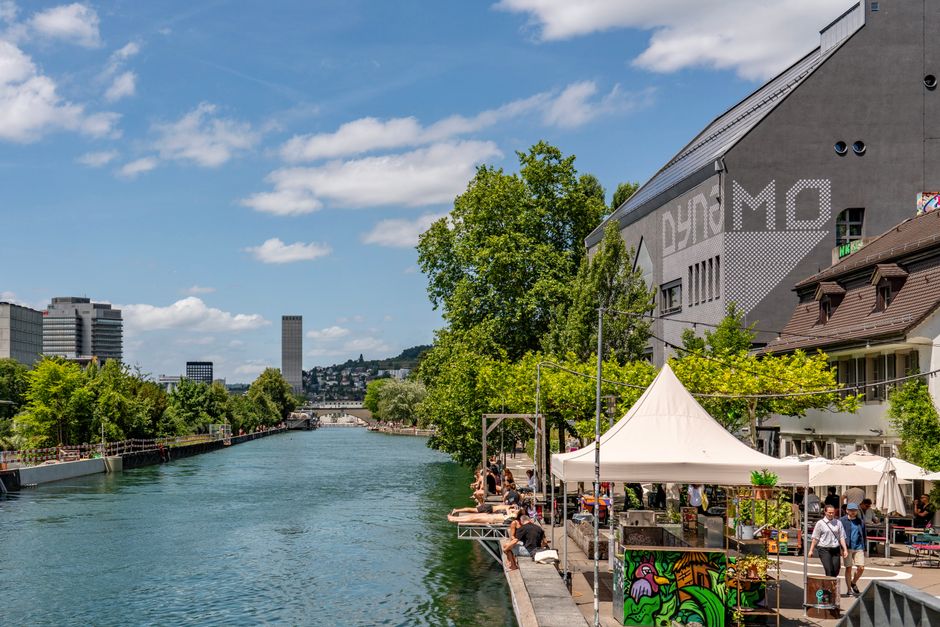
For decades, Zurich's creative districts operated within predictable boundaries. Wiedikon became the Instagram-ready destination, its pastel-hued murals attracting thousands of visitors annually and generating substantial revenue for local galleries and cafés. But a newer wave of emerging talent is deliberately working elsewhere—in the industrial stretches along the Limmat, the underpasses near Altstetten, and the blank walls of Zurich Nord that the city government has tacitly ceded to unauthorized works.
This shift reflects broader tensions within European street art culture. As municipalities increasingly commercialize public space—Zurich's 2024 street art licensing scheme introduced permits costing 800–2,000 francs per project—younger creators are reasserting illegalism as artistic principle rather than legal grey zone. Yet many are simultaneously exhibiting in legitimate venues like Shedhalle and the Museum of Fine Arts, navigating a paradox that defines contemporary urban creativity.
The emerging cohort distinguishes itself thematically as well. Where previous generations documented movement and style, today's practitioners foreground urgency: climate catastrophe, migration narratives, and surveillance capitalism feature prominently across recent works on Römerstrasse and around the Sihlcity complex. Several artists are experimenting with ephemeral materials—biodegradable paints, living moss installations—that challenge street art's traditional permanence. Others are collaborating with community organizations to reclaim peripheral neighbourhoods, transforming blank infrastructure into platforms for diaspora voices and intergenerational dialogue.
Infrastructure matters too. The repurposing of industrial spaces has created informal galleries where emerging voices can exhibit without institutional gatekeeping. Collective studio spaces in Aussersihl now host monthly open-wall events drawing hundreds. Meanwhile, commercial landlords, recognizing street art's cultural currency, are increasingly negotiating with artists directly—a shift that democratizes access while raising uncomfortable questions about commodification.
What unites these emerging practitioners is a refusal of nostalgic narratives. They're not returning to 1980s New York aesthetics or romanticizing illegalism. Instead, they're asking what street art becomes when climate emergency is real, when migration reshapes cities daily, and when digital surveillance renders public space increasingly contested. The walls of Zurich North and West are where those questions are being answered—one urgent, deliberate intervention at a time.
This article was compiled by AI from the sources linked above and screened before publishing. See our editorial standards.