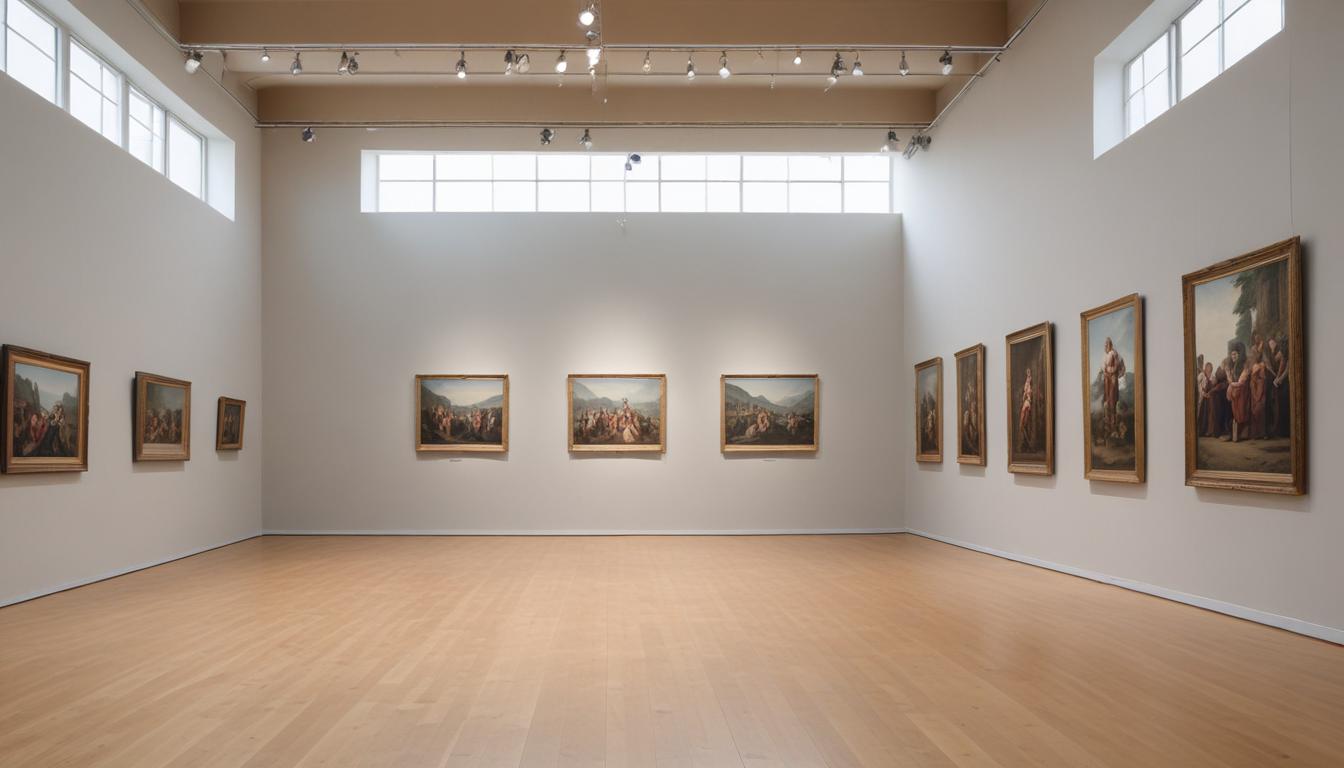
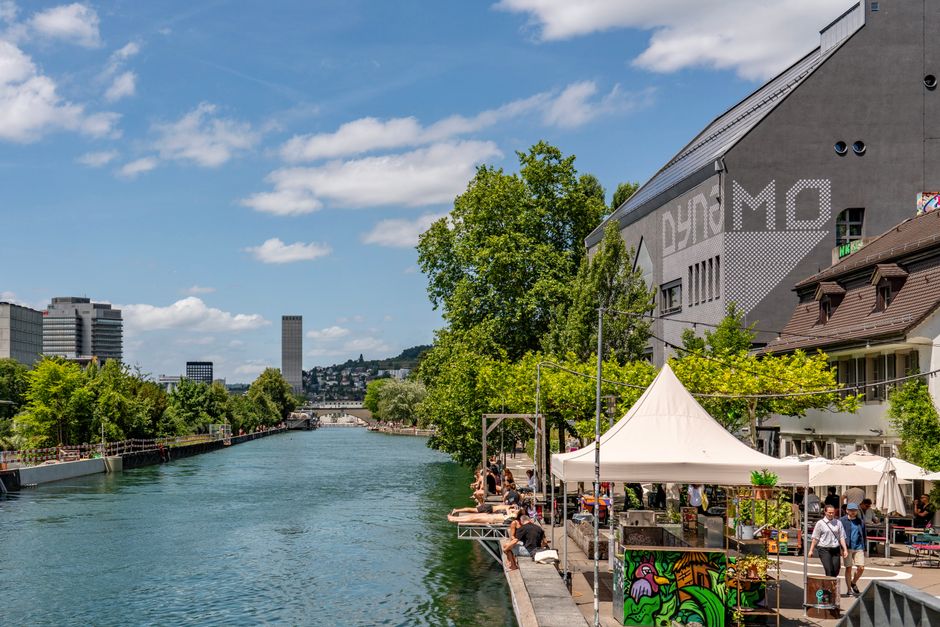
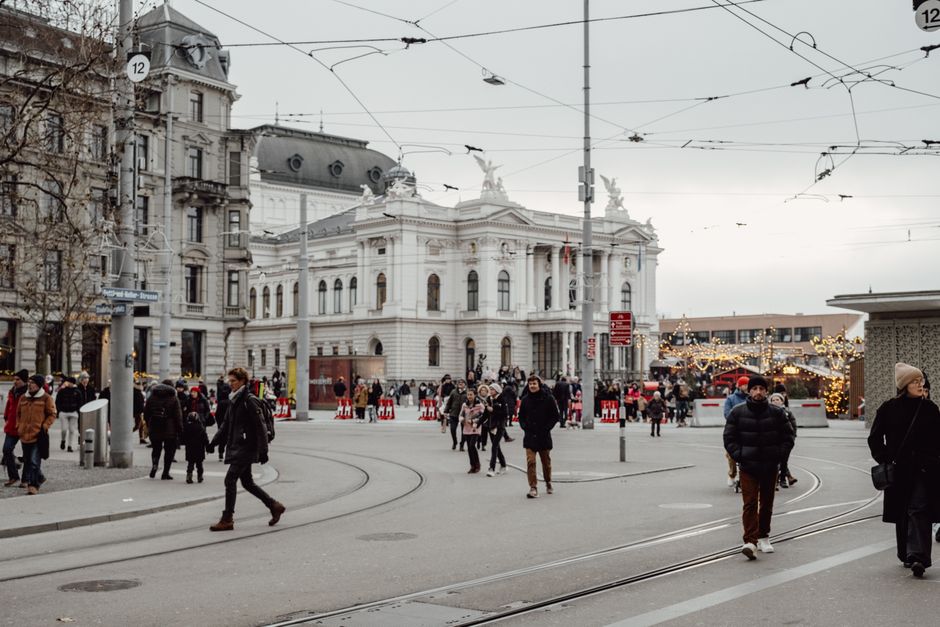
Walk along Limmatstrasse on any given Thursday evening and you'll notice something has shifted in Zurich's traditionally exclusive art establishment. The Kunsthalle, long positioned as an institution for the cognoscenti, now hosts free entry nights twice monthly—a move that would have seemed unthinkable five years ago. Simultaneously, scrappier galleries in Wiedikon and the industrial spaces around Zürich West are drawing crowds that rival the traditional heavyweights on Rämistrasse.
This democratisation of access is what locals are genuinely talking about. After years of Zurich's art scene being characterised as insular and expensive, a confluence of factors has sparked meaningful change. Museum entry fees—once hovering around 18 CHF for major institutions—have become staggered, with reduced rates and community hours now standard. The Kunsthaus Zurich's permanent collection remains free, but it's the consistent programming shifts across the city's 50+ galleries that signal a broader philosophical reckoning.
The Galerie Meyer Kainer's relocation from Augustinergasse to a larger Kreis 5 space last autumn exemplified this trend. Coupled with the emergence of artist-run initiatives in converted warehouse spaces, younger collectors and curiosity-driven visitors now have genuine entry points beyond the vetted, credential-heavy circuit.
Crucially, this isn't simply about money. Galleries are experimenting with how they frame and present work. Bilingual (German-English) wall texts are now expected rather than exceptional. Extended opening hours on Fridays and weekend afternoons accommodate working professionals. The Fondation Beyeler, while technically in neighbouring Riehen, has become a de facto local institution for Basel-adjacent Zurichers—its accessibility model influential across cantonal venues.
What's driving this shift? Partly demographic. Zurich's millennial population, now the dominant cohort of new collectors, expects transparency and inclusivity as baseline values. There's also institutional pressure: with attendance data showing younger visitors citing intimidation as a barrier to entry, museums have faced a reckoning around their social relevance.
The real conversation happening in cafés around Beatenplatz and Bellevue, though, concerns sustainability. Can Zurich's cultural institutions genuinely maintain this openness while serving traditional patrons and funding models that depend on scarcity and prestige? That tension—between democratisation and institutional survival—is what will define the next chapter of this city's art world.
This article was compiled by AI from the sources linked above and screened before publishing. See our editorial standards.