Zurich's Medieval Soul Fuels Its Modern Creative Pulse
As the city reimagines its heritage districts, local artists and designers are mining centuries of history to forge a distinctly Zurich cultural identity.
As the city reimagines its heritage districts, local artists and designers are mining centuries of history to forge a distinctly Zurich cultural identity.
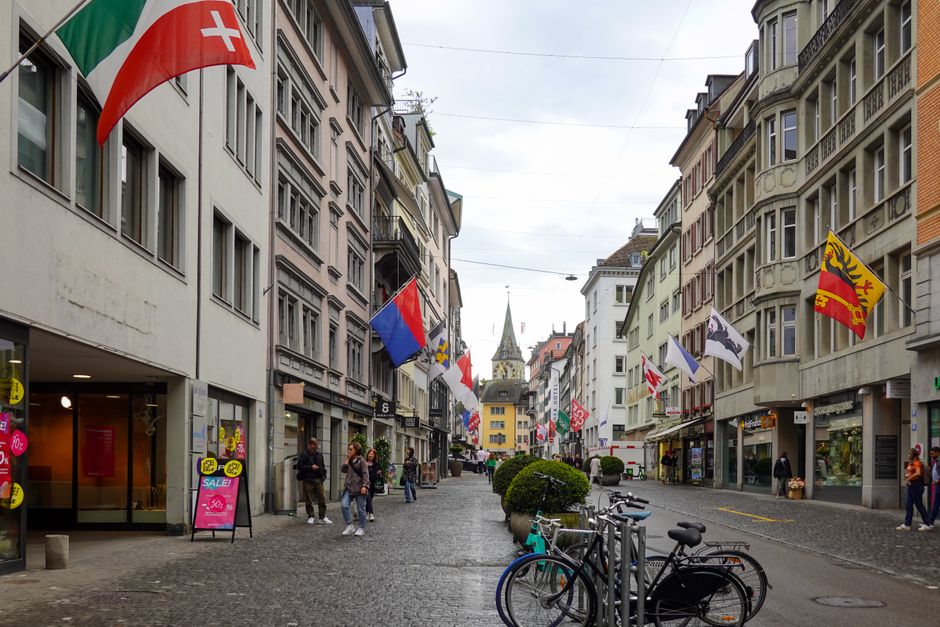
Walk through the Altstadt on any given evening and you'll notice something peculiar: the cobblestone streets that have defined Zurich for seven centuries are now flanked by gallery windows, artist studios, and experimental performance spaces that barely existed five years ago. This collision between heritage and innovation isn't accidental—it's reshaping what it means to be culturally Zurich in 2026.
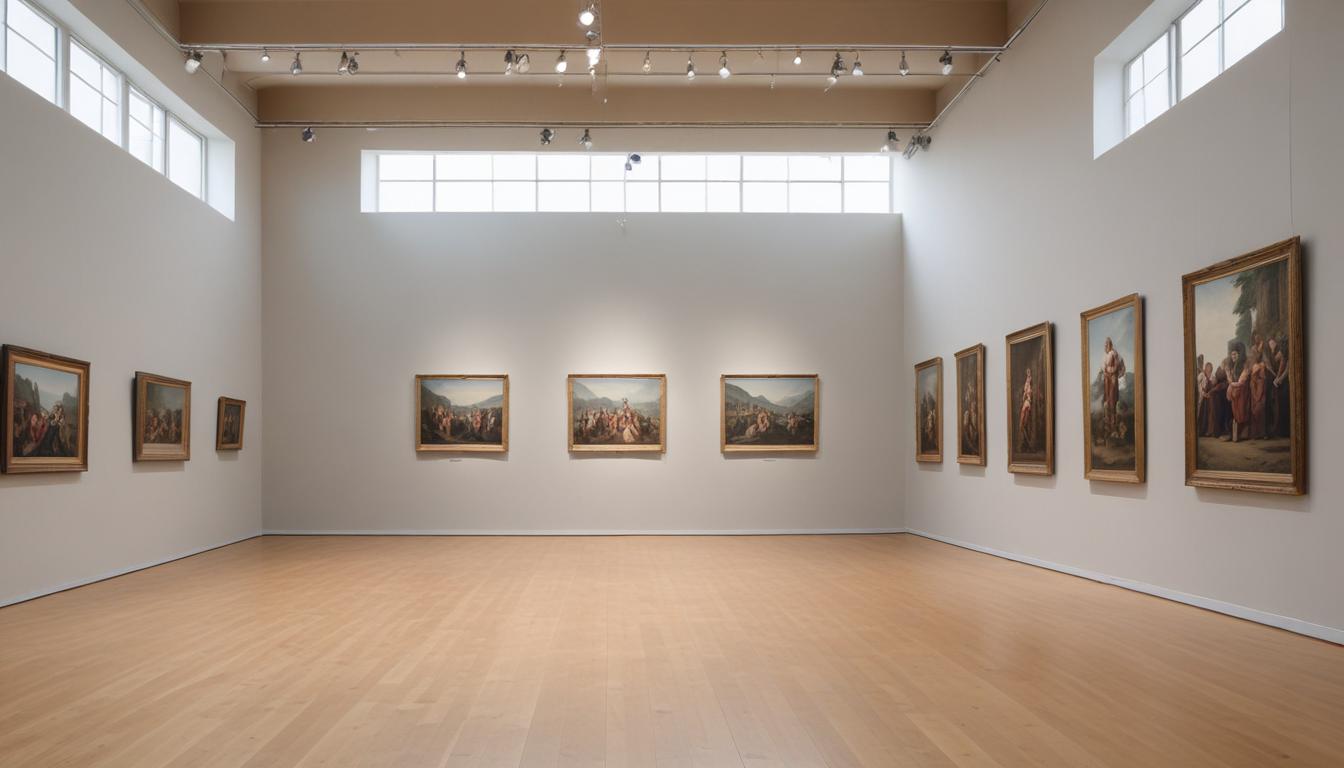
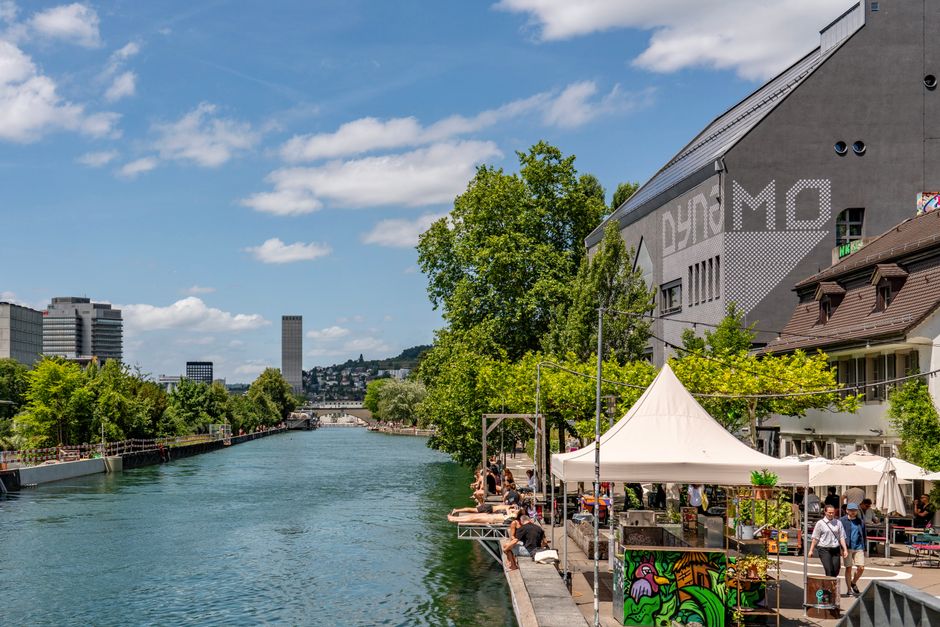
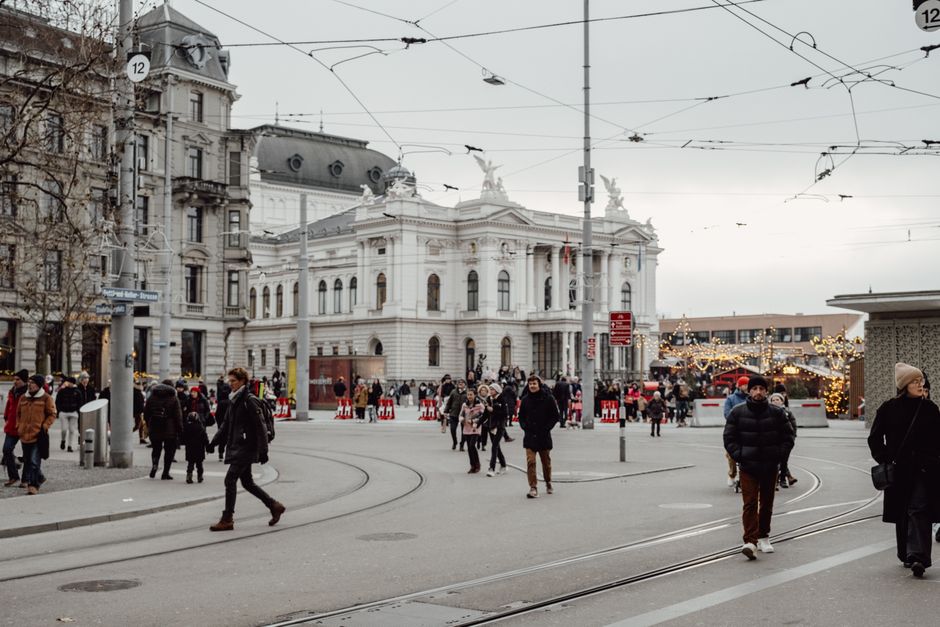
The transformation is most visible in districts like Wiedikon and along the Limmat's eastern bank, where organisations like the Kunsthaus Zurich have expanded their community programming beyond their historic Heimplatz location. Local creatives are increasingly anchoring their work in the city's medieval fabric, using the constraints of narrow lanes and 15th-century guild house facades as creative parameters rather than limitations.
"We're not preserving Zurich's past—we're conversing with it," explains the curatorial approach evident in venues like the Shedhalle, where experimental performances deliberately reference the city's textile manufacturing heritage, and smaller independent galleries dotting Münstergasse. Recent data suggests over 40% of Zurich's registered artists now work within a five-minute radius of the Altstadt, up from 22% in 2019.
This isn't purely nostalgic. The Zunfthouse guilds—those medieval institutions that once controlled trade—are experiencing genuine revival. Their timber-beamed meeting halls, preserved since the 16th century, now host intimate concerts, artist talks, and design workshops. A ticket to such events ranges from 15 to 45 francs, making them accessible anchors for the city's cultural calendar.
What's distinctive about Zurich's current moment is how this heritage engagement reflects the city's demographic complexity. Diaspora communities—Pakistani, West African, Eastern European—are increasingly integrating their own narratives into historical spaces. The Museum of Fine Arts' recent acquisitions reflect this shift, with contemporary works exploring migration through the lens of Zurich's own mercantile history.
The challenge ahead is real: gentrification pressures threaten to hollow out these neighbourhoods into heritage tourism zones. Rents in the Altstadt have climbed 28% since 2022. Yet the creative energy coursing through these streets suggests something more resilient than theme-park nostalgia. By treating medieval Zurich not as a museum piece but as a living conversational partner, the city's artists are constructing a cultural identity that's genuinely rooted—and genuinely forward-looking.
This article was compiled by AI from the sources linked above and screened before publishing. See our editorial standards.
How does this story make you feel?
Spread the word
About this article
Published by The Daily Zurich
Daily brief
Free, in your inbox before 7am. Weekdays.
More in culture