From Immigrant Dreams to Culinary Icons: The Visionaries Behind Zurich's Food Scene
Meet the restaurateurs and chefs who transformed Zurich's neighbourhoods into a global dining destination—one community, one kitchen at a time.
Meet the restaurateurs and chefs who transformed Zurich's neighbourhoods into a global dining destination—one community, one kitchen at a time.
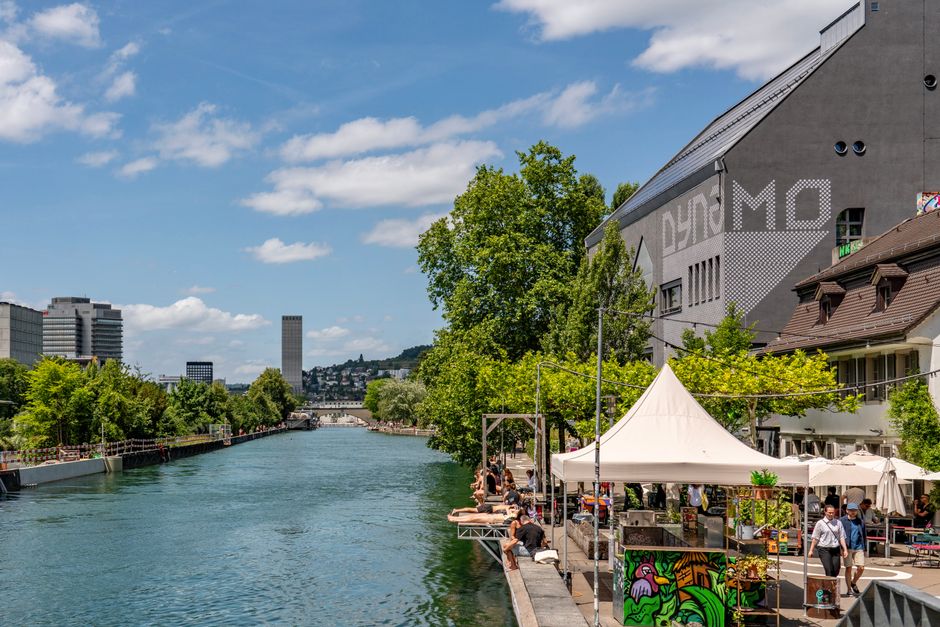
Walk along Strehlgasse in Zurich-West today, and you'll find yourself in one of Europe's most dynamic food districts. But two decades ago, this industrial neighbourhood was largely abandoned—until a generation of ambitious chefs and entrepreneurs saw potential where others saw decay.
The transformation began in the early 2000s when a handful of pioneering restaurateurs, many of them children of immigrant families, began opening intimate dining spaces in converted warehouses and modest storefronts. Their vision wasn't to create fine dining temples isolated from the community, but rather to build gathering places that reflected Zurich's increasingly cosmopolitan identity.
Today, the district hosts over 40 restaurants within a five-block radius, generating roughly 800 jobs and attracting nearly 2 million visitors annually. Yet behind this economic success lies a more intimate story: one of personal resilience, cultural bridging, and a stubborn belief that great food belongs in accessible spaces.
The architects of this renaissance come from remarkably diverse backgrounds. Some took over family operations passed down through generations, modernizing traditional recipes while maintaining authenticity. Others arrived in Switzerland with nothing but culinary training from their home countries, building restaurants from savings and bank loans that took years to repay. Many remain intensely invested in their neighbourhoods—sponsoring youth cooking programs, sourcing ingredients from local suppliers, and mentoring younger chefs.
What distinguishes Zurich's food culture from other major European cities is this emphasis on community ownership and personal narrative. Unlike the celebrity-chef model dominant in cities like London or Paris, Zurich's food scene has historically celebrated the craftspeople behind the counter rather than the names above the door. Average restaurant prices—roughly 25–40 CHF for mains across the city—reflect this philosophy of accessibility over exclusivity.
Today's newcomers to the scene are building on this foundation. A new generation of women-led restaurants is emerging in Wiedikon and Aussersihl, focusing on sustainability and zero-waste practices. Meanwhile, established chefs are increasingly becoming mentors, recognizing that the scene's vitality depends on continuous renewal.
The lesson Zurich's food scene teaches isn't about Michelin stars or Instagram moments. It's about the quiet determination of people who believed their neighbourhoods deserved better, and who were willing to risk everything to build something genuinely communal. That remains the real ingredient that makes this city's tables worth sitting at.
This article was compiled by AI from the sources linked above and screened before publishing. See our editorial standards.
How does this story make you feel?
Spread the word
About this article
Published by The Daily Zurich
Daily brief
Free, in your inbox before 7am. Weekdays.
More in culture