Walk into any conversation at a Zurich dinner table these days, and you'll hear it: restaurants are fundamentally changing how they source and price food. What began as a pandemic-era survival strategy has crystallized into something more profound—a wholesale reimagining of the relationship between the city's dining establishments and its agricultural hinterland.
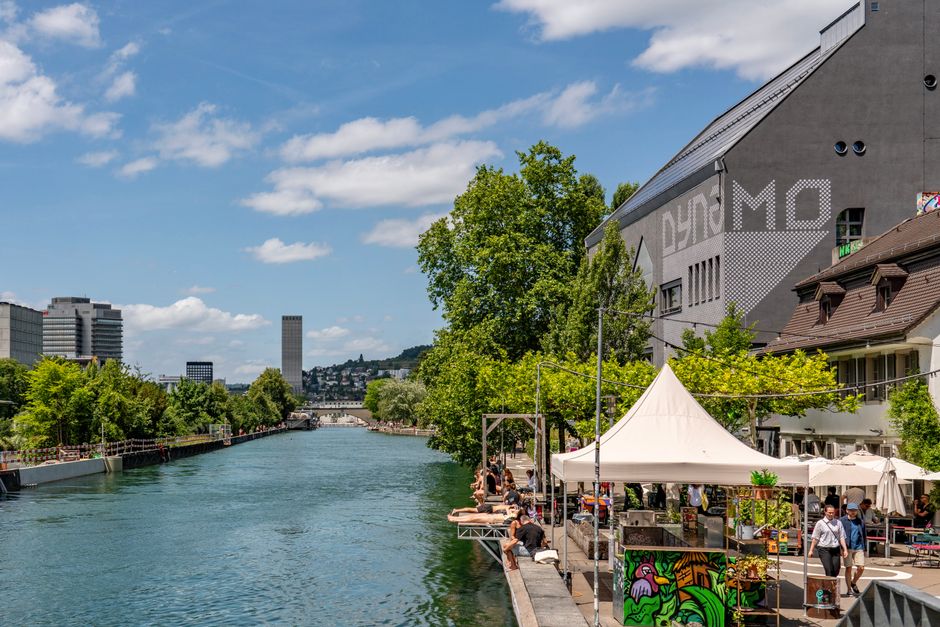
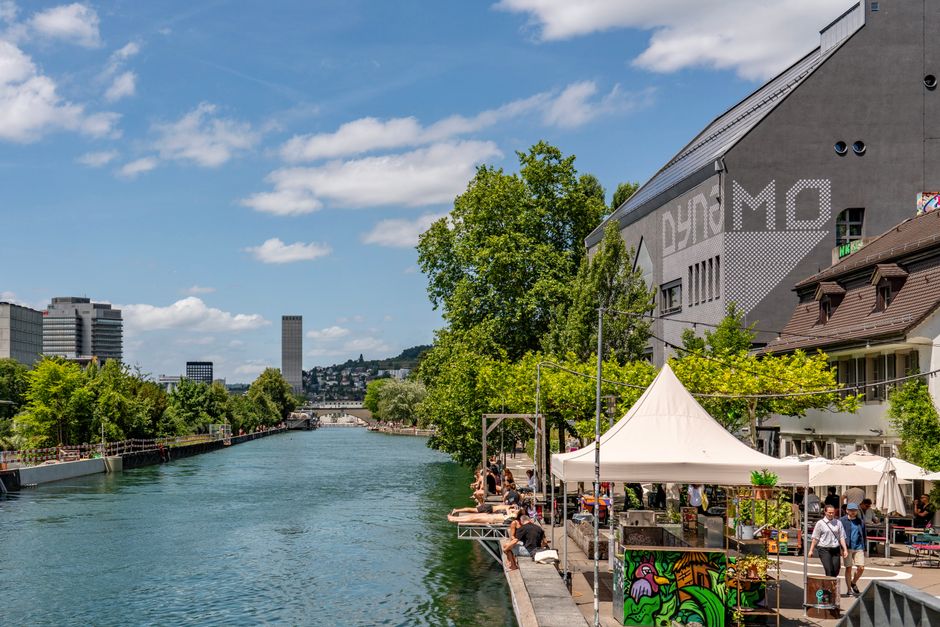
The shift is most visible in Zurich's West End, where establishments along Limmatstrasse and in the Industriequartier have become epicenters of this movement. Several mid-range restaurants have publicly committed to sourcing 70 percent or more of their ingredients from producers within a 100-kilometre radius. This represents a dramatic departure from the globalized supply chains that have defined fine dining here for the past two decades.
The economics are compelling. While diners might expect hyper-local sourcing to inflate prices, many establishments are actually holding lines steady—a fact that's generating considerable word-of-mouth. One reason: reduced transportation costs and middleman markups offset the premium many Swiss producers command. A typical seasonal tasting menu in the city centre now averages CHF 85–120, compared to CHF 95–135 just three years ago.
Beyond price, the cultural implications are resonating. Zurich's identity as a global financial hub has always created tension with Swiss localism. This dining trend feels like a philosophical reconciliation—proof that cosmopolitan cities needn't depend on endless global trade routes. Local food writers and the city's influential restaurant critic community have embraced the narrative enthusiastically, dedicating column inches to establishments highlighting Zurich's own terroir: wine from the Uetliberg slopes, beef from the Appenzell region, vegetables from the Egg region just north of the canton.
The movement has also democratized access to previously niche ingredients. Farmers' markets in Wiedikon and around the Bürkliplatz report foot traffic up 18 percent year-over-year. Pop-up dining experiences—often organized through social media and featuring rotating guest chefs—have become the city's hottest cultural ticket.
Not everyone is convinced. Critics argue this represents protectionism dressed in sustainability rhetoric, and that Zurich's multicultural character demands culinary diversity that strict localism threatens. Yet the conversation itself is energizing the scene. For a city that often feels economically predetermined, the restaurant world's sudden agency—its visible choices about where money flows and what stories get told through food—has become genuinely newsworthy.
This article was compiled by AI from the sources linked above and screened before publishing. See our editorial standards.