Zurich's Live Music Scene Is Fracturing: Why Venues Are Closing and Locals Are Divided
As rising rents force beloved clubs off Langstrasse and ticket prices soar, the city's cultural heartbeat faces an unprecedented squeeze.
As rising rents force beloved clubs off Langstrasse and ticket prices soar, the city's cultural heartbeat faces an unprecedented squeeze.
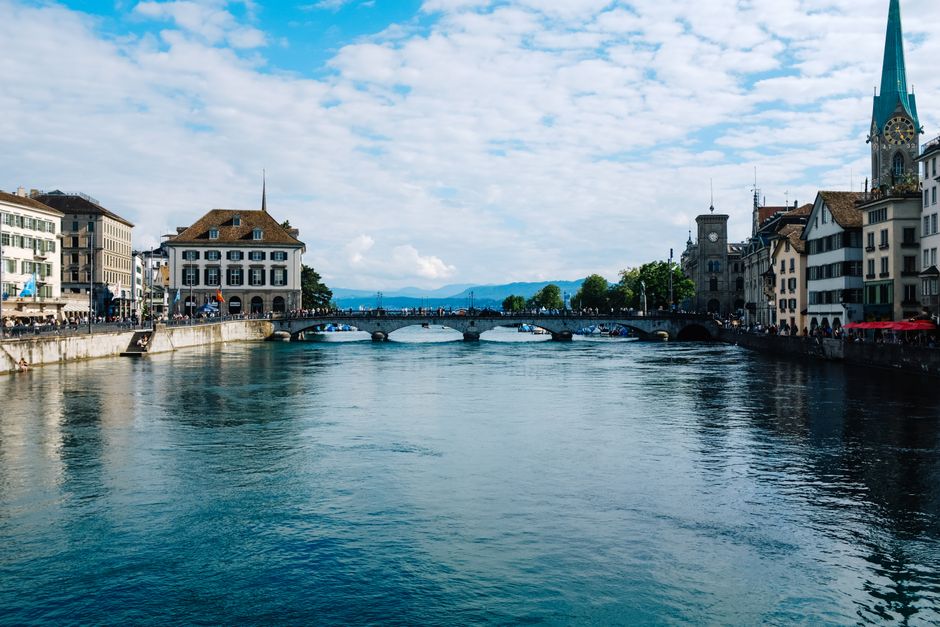
Walk down Langstrasse on a Friday night and something feels different. The Kaufleuten, long a pillar of Zurich's electronic music circuit, has scaled back programming. Around the corner, two smaller venues have gone dark entirely in the past eighteen months. Meanwhile, the SBA (Stadtwärts) and Kaufleuten are now charging upwards of 45 francs for standard entry—a 30 percent jump from three years ago—while artists report shrinking guarantees.
What's happening in Zurich's live entertainment landscape is becoming the defining cultural conversation of the summer. And it's not simply about rising costs, though that's certainly part of it.
The core tension is real estate. Langstrasse, where generations of Zurichers have danced, discovered new artists, and built community, has become irresistible to property developers. The neighborhood's redemption narrative—from red-light district to cultural epicenter—has priced out the very venues that enabled that transformation. Rent for mid-sized club spaces has doubled since 2019, according to informal surveys by local promoters. One venue operator estimated annual costs have reached 400,000 francs for a modestly sized room in the inner city.
Simultaneously, the post-pandemic live scene has fractured into separate tiers. Major international acts still pack the Hallenstadion and Kongresshaus, pulling audiences and money upward. But the ecosystem of mid-sized venues—the crucial incubators for emerging talent and local artist development—has thinned dramatically. The Landi, a 400-capacity stalwart on Limmatstrasse, closed last autumn. Several smaller independent promoters have consolidated or stopped booking altogether.
Yet there's also genuine innovation emerging. The Kaserne in Zurich West has become unexpectedly vital, hosting experimental and electronic acts in a converted military space with lower overhead. Street Parade, while facing its own challenges around sustainability and neighborhood relations, still draws 800,000 visitors annually—though critics note the festival increasingly caters to global EDM tourism rather than local club culture.
Younger Zurichers express frustration. Online communities are debating whether the city is losing its edge, whether it's becoming too expensive for the creative friction that built its reputation. Meanwhile, some established venue operators quietly explore moving toward higher-margin events: private functions, corporate bookings, and premium experiences that pay better than live music ever will.
The question animating conversations in Zurich's cultural circles isn't whether the live music scene will survive—it will. The sharper question is what kind of scene emerges when affordability collapses and rents reshape the map. For a city that prides itself on cultural vitality, that's a tension worth watching closely.
This article was compiled by AI from the sources linked above and screened before publishing. See our editorial standards.
How does this story make you feel?
Spread the word
About this article
Published by The Daily Zurich
Daily brief
Free, in your inbox before 7am. Weekdays.
More in culture