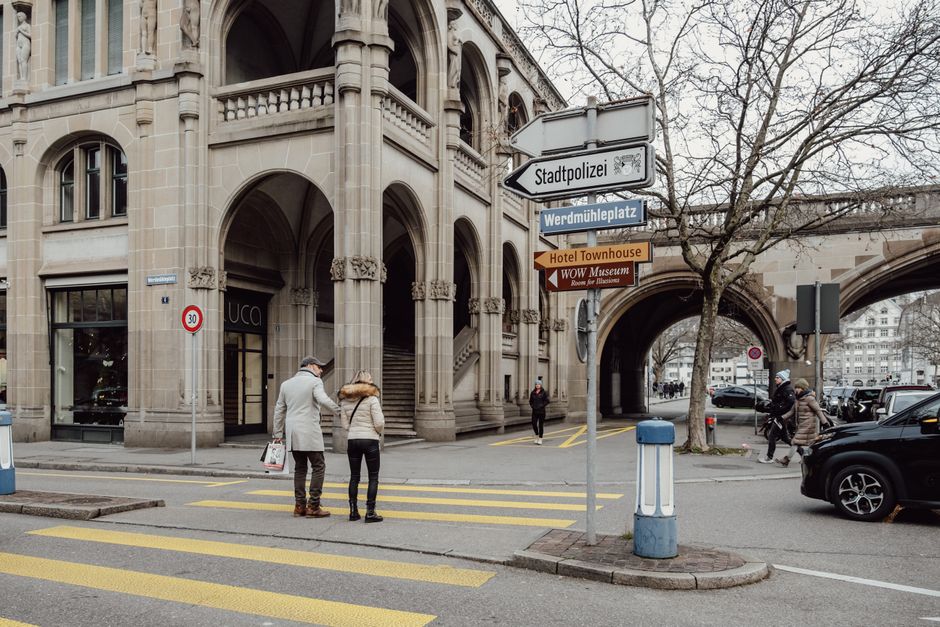
Walk along Rämistrasse today and you'll encounter a strikingly different Zurich art world than the one that existed in the 1970s. What began as a constellation of private galleries tucked into converted banking halls and merchant vaults has blossomed into a sophisticated ecosystem that rivals established art capitals, drawing collectors, curators and artists from across Europe and beyond.
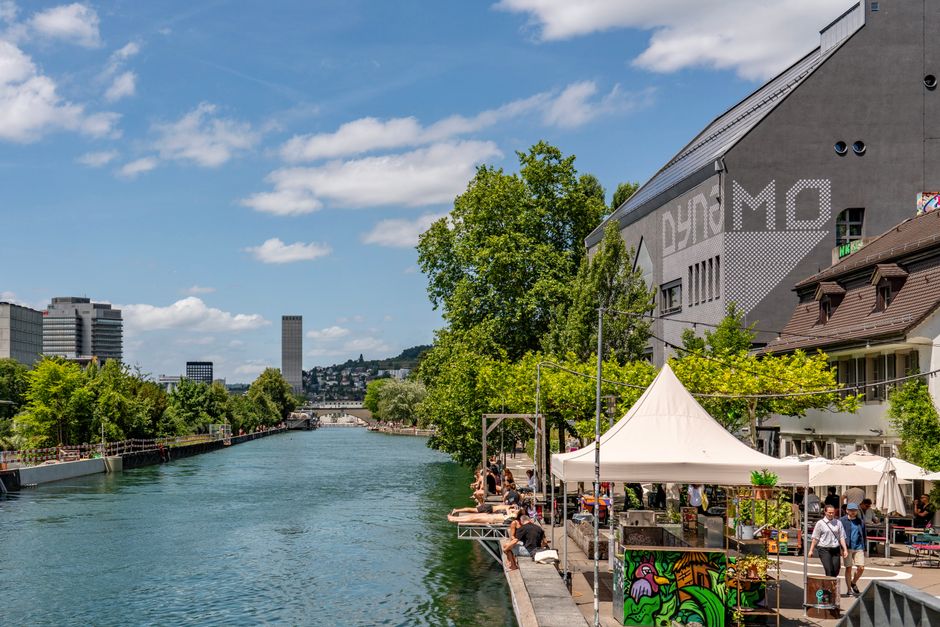
The transformation didn't happen overnight. Through the postwar decades, Zurich's cultural scene remained largely inward-looking, dominated by a handful of established institutions like the Kunsthaus, which had occupied its position on Heimplatz since 1910. The real shift came in the 1980s, when a new generation of independent gallerists began establishing spaces in the Europaallee district and along the Limmat waterfront, challenging the city's conservative cultural establishment. Galerie Meyer Kainer, founded in 1989, exemplified this rebellious spirit—relocating from Vienna to Zurich deliberately to build something new.
By the 2000s, the momentum was undeniable. The Kunsthalle Zürich underwent major renovation, reopening in 2007 as a more accessible public space. Contemporary galleries began clustering around neighborhoods like Kreis 5, transforming former industrial areas into creative hubs. Today, more than 120 galleries operate across the city, ranging from intimate artist-run spaces charging no admission to prestigious houses handling seven-figure transactions.
The democratization has been equally significant. Where museum entry once signaled membership in Zurich's elite circles, today the Kunsthaus charges 24 francs for general admission—less than half its price in 2005. Community programs, free evening hours, and educational initiatives have broadened audiences considerably. The 2021 reopening of the expanded Kunsthaus, after a three-year closure, attracted record visitors: over 480,000 in its first year.
Yet challenges persist. Soaring real estate costs in central districts have pushed emerging galleries toward the periphery. The gap between commercially successful galleries on Bahnhofstrasse and struggling artist spaces in Aussersihl remains stark. Rising living costs have made it increasingly difficult for younger artists to sustain practice within the city itself.
Still, Zurich's gallery scene continues evolving. Recent initiatives promoting gallery trails and artist residencies suggest institutional commitment to sustaining the ecosystem that has made the city a genuine player in the global art world—a far cry from its provincial reputation just decades ago.
This article was compiled by AI from the sources linked above and screened before publishing. See our editorial standards.