Walk through the narrow streets of Zurich West on a Friday evening, and you'll hear it before you see it—the unmistakable hum of live music spilling from converted industrial spaces, rooftop bars, and underground clubs. What was once a quieter cultural corner of the city has erupted into something far more dynamic, driven not by multinational corporations or established institutions, but by a loose network of musicians, DJs, and cultural enthusiasts determined to democratize Zurich's live entertainment landscape.
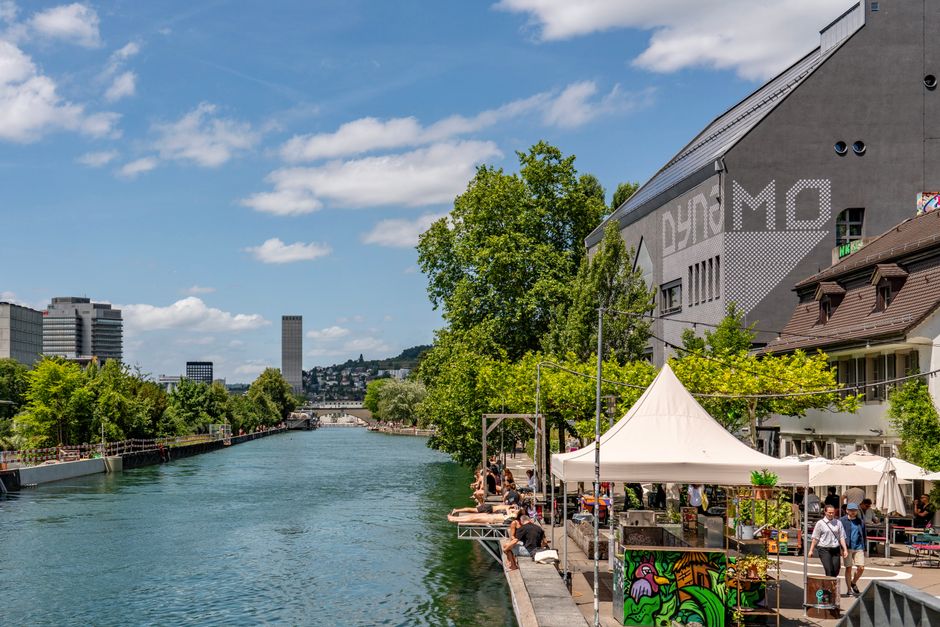
The shift is palpable. Over the past three years, community-organized venues and collectives have proliferated across the city's working neighborhoods. Collective Kraftfeld in the Aussersihl district, now in its fifth year, operates on a radically transparent model: ticket prices capped at 25 francs, with proceeds reinvested directly into artist fees and venue maintenance. Meanwhile, smaller pop-up collectives have begun claiming spaces along the Limmat, transforming temporary installations into cultural gathering points that rival established concert halls in authenticity, if not in capacity.
The movement reflects a broader generational shift. A recent survey by Zurich's Department of Culture found that 68 percent of attendees at independent venues cited "community connection" as their primary reason for attending, compared to just 34 percent who cited the specific artist lineup. This isn't incidental—it's the entire point. These organizers are explicitly rejecting the transactional model of traditional concert venues, where audiences arrive, consume, and leave.
Organizations like Radio X, long a pirate institution in Zurich's cultural DNA, have become foundational partners in this ecosystem, providing technical support and promotional infrastructure to emerging collectives. The Zurich Open Air's recent pivot toward supporting smaller, community-curated stages signals that even established festivals recognize the gravitational pull of this movement.
What makes this moment distinctive for Zurich is its accessibility threshold. A city historically associated with premium experiences and stratospheric venue prices is experiencing a genuine counter-movement. Venues operating from converted factory spaces in Wiedikon and along the Badenerstrasse actively price out no one. Many operate on sliding-scale models or by-donation systems.
The challenge ahead is sustainability. Many collectives operate on volunteer labor and razor-thin margins. Yet organizers remain optimistic. They point to the sold-out shows, the waiting lists, the sense of ownership audiences now feel toward their cultural spaces. In Zurich's tightly-knit music community, that momentum is everything.
This article was compiled by AI from the sources linked above and screened before publishing. See our editorial standards.