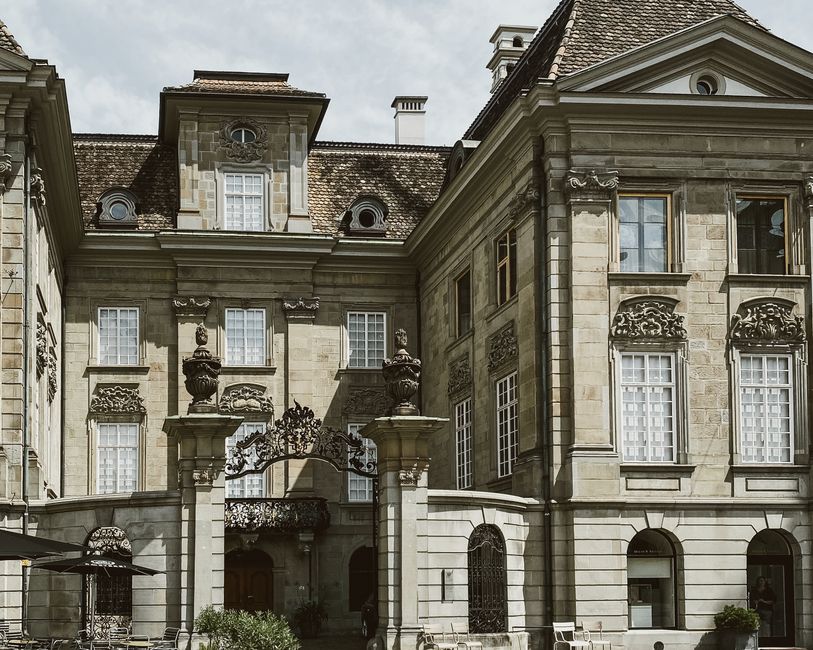
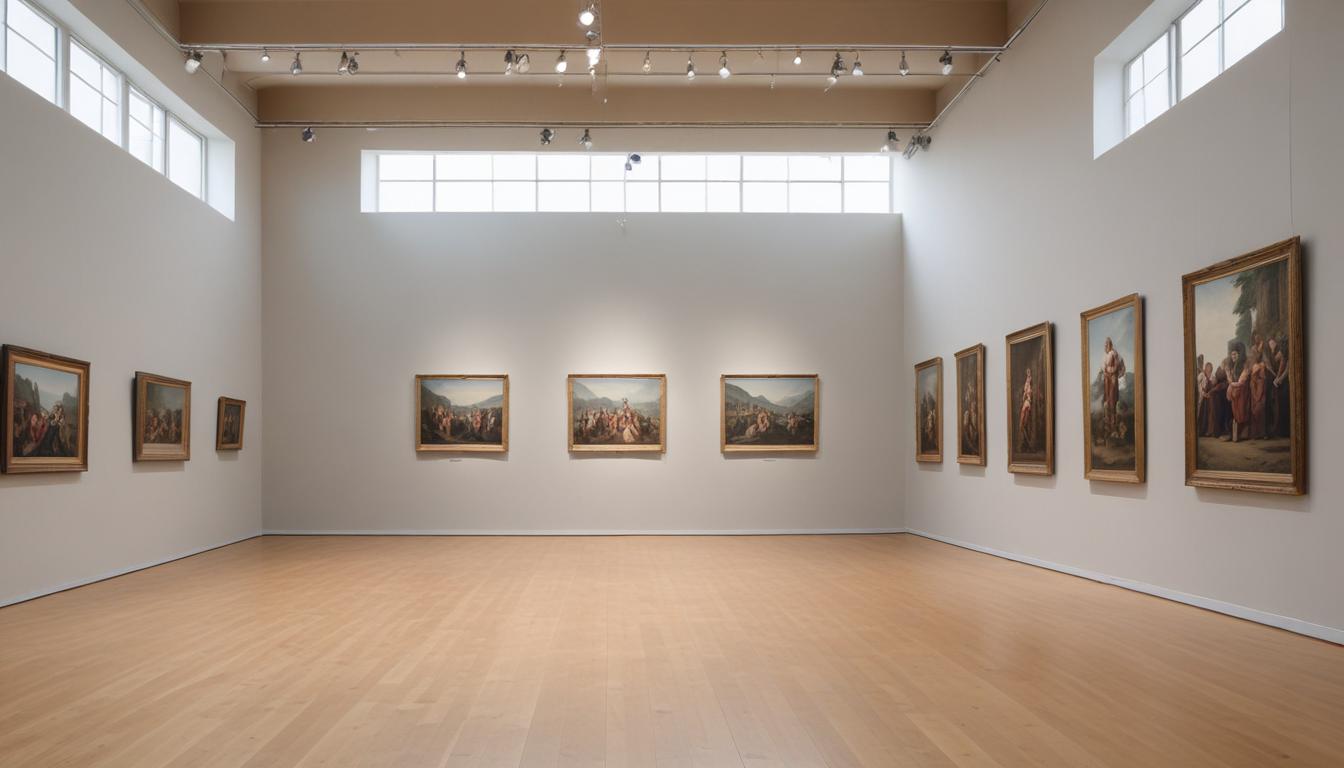
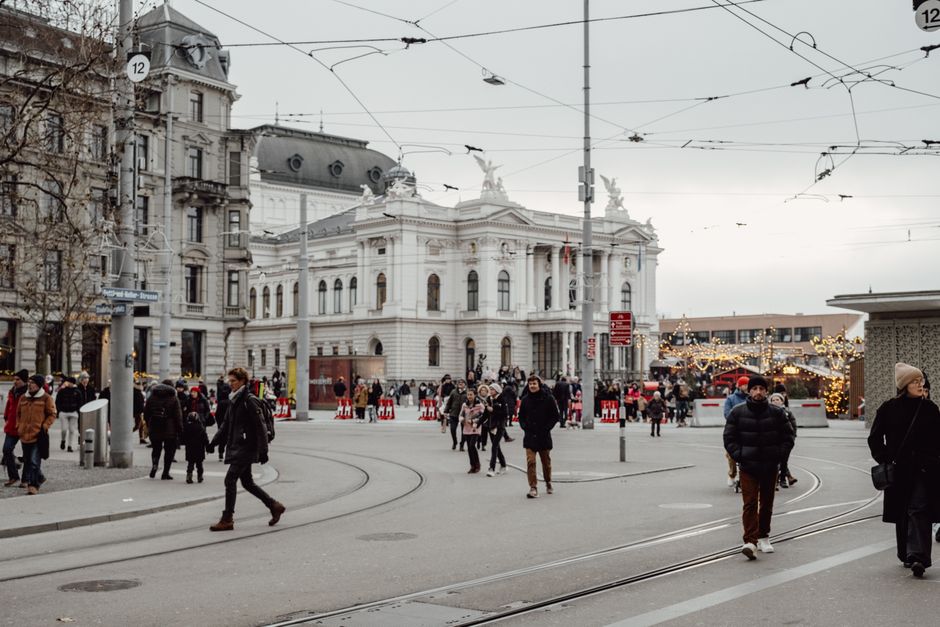
Walk through Zurich's Kunsthaus on Heimplatz today, and you're standing in what has become one of Europe's most ambitious art institutions. But the journey from 19th-century ambition to 21st-century prestige reveals far more about the city itself—a tale of merchant patronage, political neutrality, and relentless cultural investment that defines modern Zurich.
The Kunsthaus, founded in 1885, began as a modest initiative by the Zurich Art Society. What distinguished it from the outset was the city's unusual democratic approach: wealthy industrialists and merchants didn't merely donate; they shaped curatorial direction through committee participation. This model—combining private wealth with public stewardship—became the template for everything that followed. By the 1920s, the collection had grown to rival Vienna's, anchored by Swiss modernists like Ferdinand Hodler and contemporaries including Monet and Van Gogh.
The post-war years marked Zurich's emergence as a global art player. The opening of the Kunsthalle Zürich in 1910 (predating the Kunsthaus expansion) created healthy competition, with each institution developing distinct identities. The Kunsthalle focused on contemporary work and experimental practice, hosting provocative exhibitions during periods when other European cities remained conservative. This duality—tradition-keeper and innovation-catalyst—became Zurich's signature.
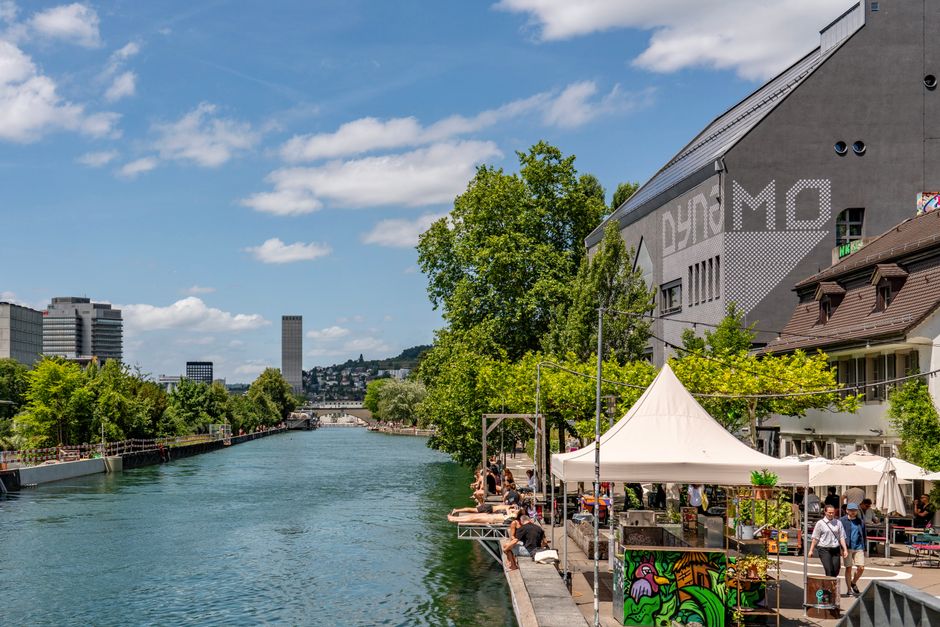
By the 1980s and 1990s, the Bahnhofstrasse corridor and surrounding neighborhoods transformed. Smaller independent galleries proliferated along Förrlibuckstrasse and in the gritty Zurich-West district, where the Museum of Fine Arts' satellite spaces emerged alongside artist studios. Gallery hopping became less of a leisurely afternoon and more of a cultural pilgrimage. Today, over 80 registered galleries operate within the city limits, with concentration highest in districts 4 and 5.
The architectural evolution matters equally. Herzog & de Meuron's 2021 renovation of the Kunsthaus—expanding exhibition space by 40 percent—signaled continued ambition at a moment when other cities faced budget cuts. The €150 million investment reflected something essential about Zurich: cultural infrastructure remains a civic priority, even as costs spiral.
What's emerged is a scene less flashy than Art Basel (70 kilometers away) but perhaps more intellectually rigorous. Annual visitor numbers to major institutions exceed 1.2 million. Museum membership has grown steadily, suggesting genuine local engagement rather than tourist dependency.
Today's Zurich gallery scene reflects its founding principle: that a wealthy, stable city has obligations beyond finance. The result is neither a museum city frozen in nostalgia nor a market-driven spectacle, but something rarer—a working ecosystem where history informs innovation, and commercial galleries coexist productively with public institutions.
This article was compiled by AI from the sources linked above and screened before publishing. See our editorial standards.