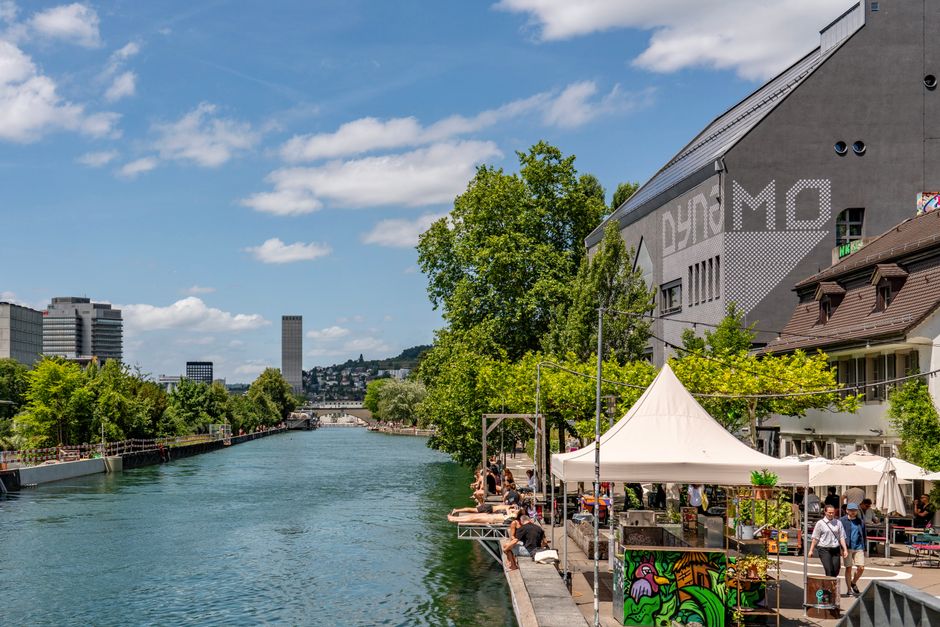
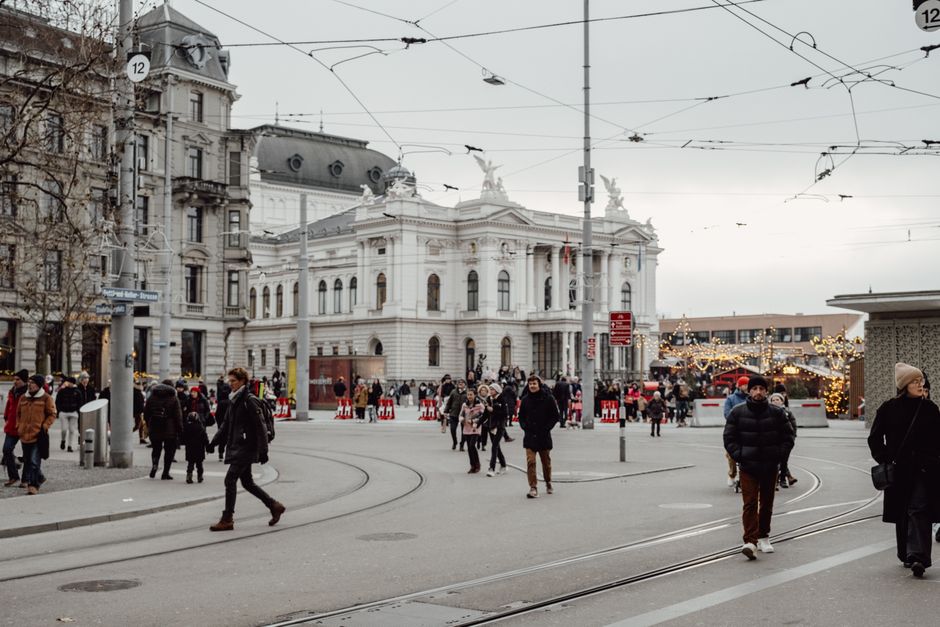
Walk through Zurich-West today and it's easy to forget that fifteen years ago, the warehouse district along Limmatstrasse was written off. Crumbling facades, vacant industrial spaces, and a reputation as somewhere you avoided after dark. Yet it was precisely this neglect that attracted a particular breed of cultural entrepreneur—people willing to take on 10-year leases at negligible rents and transform shipping containers into exhibition spaces.
The transformation didn't happen by accident. In the early 2010s, a small cohort of independent curators and gallerists—many priced out of the Old Town and the upscale Bahnhofstrasse corridor—began establishing themselves in what locals derisively called "the dead zone." They painted walls themselves. They installed their own electrical systems. They opened on weekends when the neighbourhood was quietest, building audiences through word-of-mouth and artist networks rather than marketing budgets.
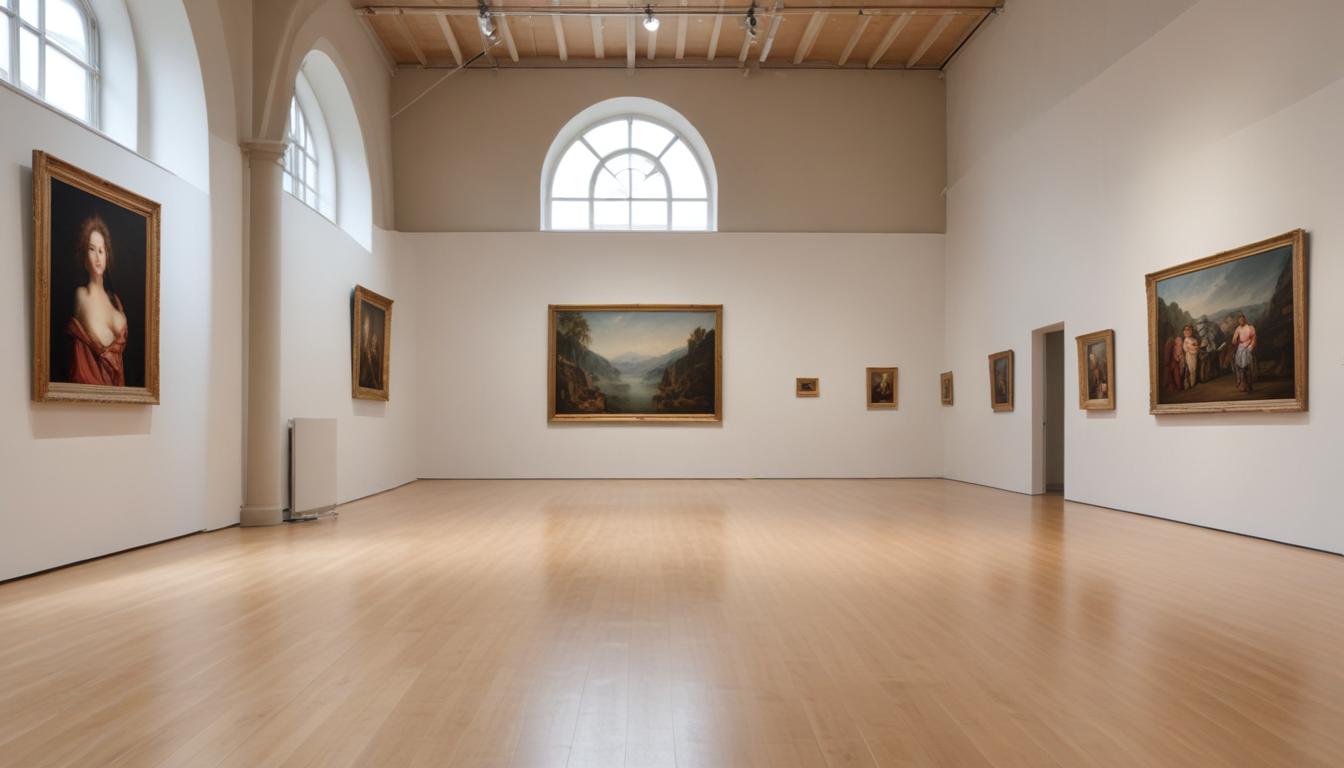
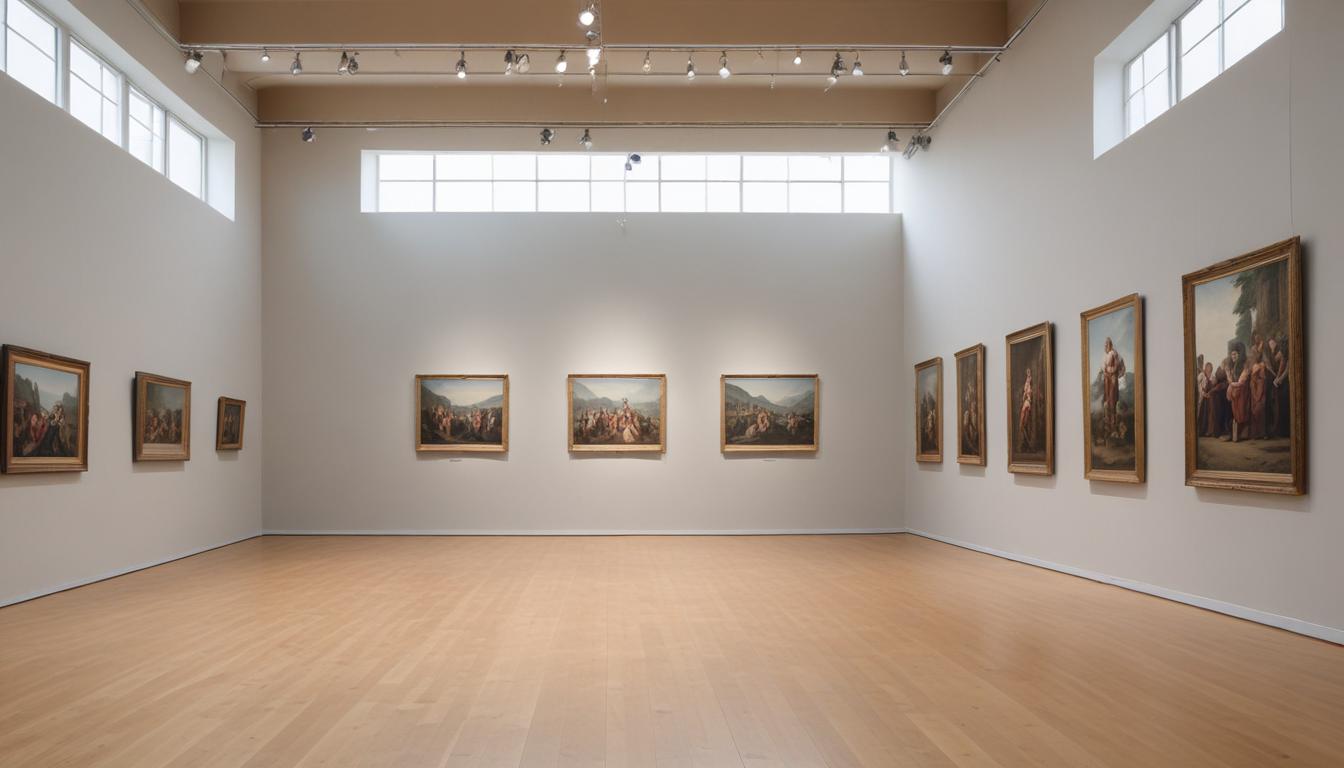
Today, that same corridor hosts over 40 galleries, three museum annexes, and artist collectives that attract 400,000 visitors annually according to Zurich's Department of Culture. The economic shift has been staggering: average commercial rents on Limmatstrasse have risen from CHF 15 per square metre in 2011 to CHF 85 today—a reality that presents its own crisis as founding gallerists now face displacement.
What makes Zurich's gallery ecosystem distinctive isn't its size—it's the intentionality of those who built it. Unlike established art districts in Basel or Bern, which inherited their cultural infrastructure, Zurich's scene was born from individual conviction. The Museum of Fine Arts' decision to open a contemporary wing in 2019 came only after grassroots gallerists had already proven there was appetite for cutting-edge work in the city. The Kunsthaus's 2021 extension, Switzerland's largest art museum project in decades, followed the same pattern.
But success has created tension. Some founding gallerists who spent years in financial precarity are now being forced to relocate as landlords recognize the district's commercial potential. The question facing Zurich's cultural establishment isn't whether the gallery quarter succeeded—it manifestly did. It's whether the city can preserve the conditions that made that success possible: affordable space, creative risk-taking, and the permission to fail quietly.
That's the real story behind Zurich's art boom. Not the openings or the visitors, but the gamble taken by people who saw potential in concrete and rust.
This article was compiled by AI from the sources linked above and screened before publishing. See our editorial standards.